1.What does it mean to be a photographer and a digital nomad?
Definition and how it differs from classic travel photographers
Advantages and challenges of location-independent work
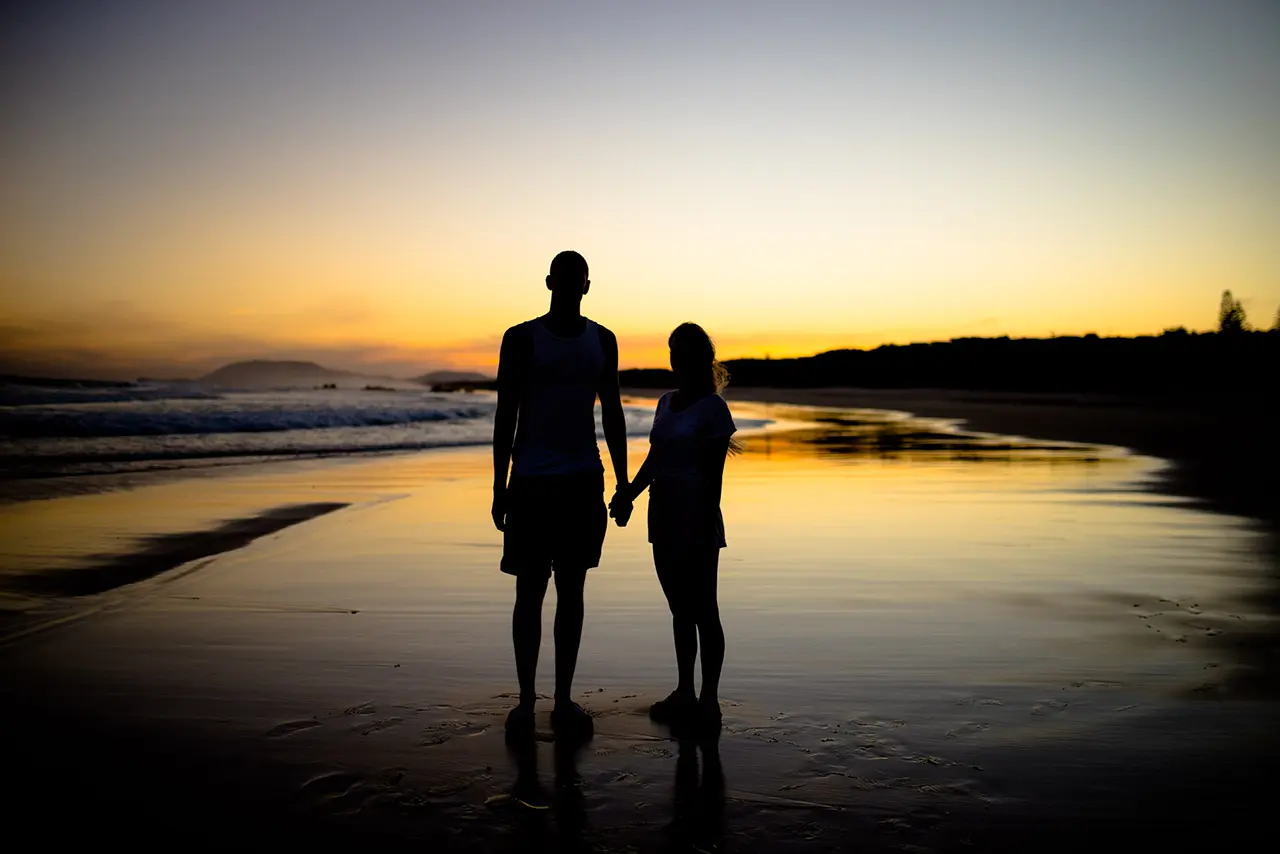
Imagine waking up in Lisbon in the morning, working with a client from New York in the afternoon and going out to shoot the streets of Porto in the evening. This freedom is the dream of many photographers, but it comes with a complex reality. The advantages are enticing: unlimited inspiration through constantly changing locations, a growing global network and the freedom to set your own working hours. In many countries the cost of living is significantly lower than in Germany, which means you can enjoy a higher standard of living on the same income. At the same time you grow personally because you are constantly exposed to new cultures, people and situations that sharpen your creativity and your photographic eye.
The biggest advantages: Unlimited inspiration through new locations, flexible working hours, lower cost of living in many countries, broader international networks and personal growth through new experiences make the nomadic life particularly attractive for photographers.
But don't be fooled – the nomadic life is not all sunshine and Instagram-worthy moments. The challenges are real and can be overwhelming. Irregular income causes constant stress, especially when you are just getting started. Technical problems can bring your work to a complete standstill if your laptop breaks down or the internet is too slow. The tax complexity grows with every country you visit, and many nomads struggle with social isolation, particularly when travelling alone. Work-life balance is often harder to achieve than expected because the boundary between work and free time disappears.
The biggest challenges: Irregular income, technical problems on the road, tax complexity, social isolation and a difficult work-life balance can turn the nomadic life into an emotional rollercoaster.
Personal prerequisites and mindset
2.The right preparation
Technical equipment: camera, laptop, data security & backup systems
Your technical equipment is the foundation of your nomadic photographer life. This isn't only about the best camera or the latest laptop – it's about reliability, compactness and the ability to function under difficult conditions. Imagine being in a remote village in Thailand and your laptop fails, or losing your memory cards on a bus in Colombia. Such situations can paralyse your work for weeks if you are not properly prepared.
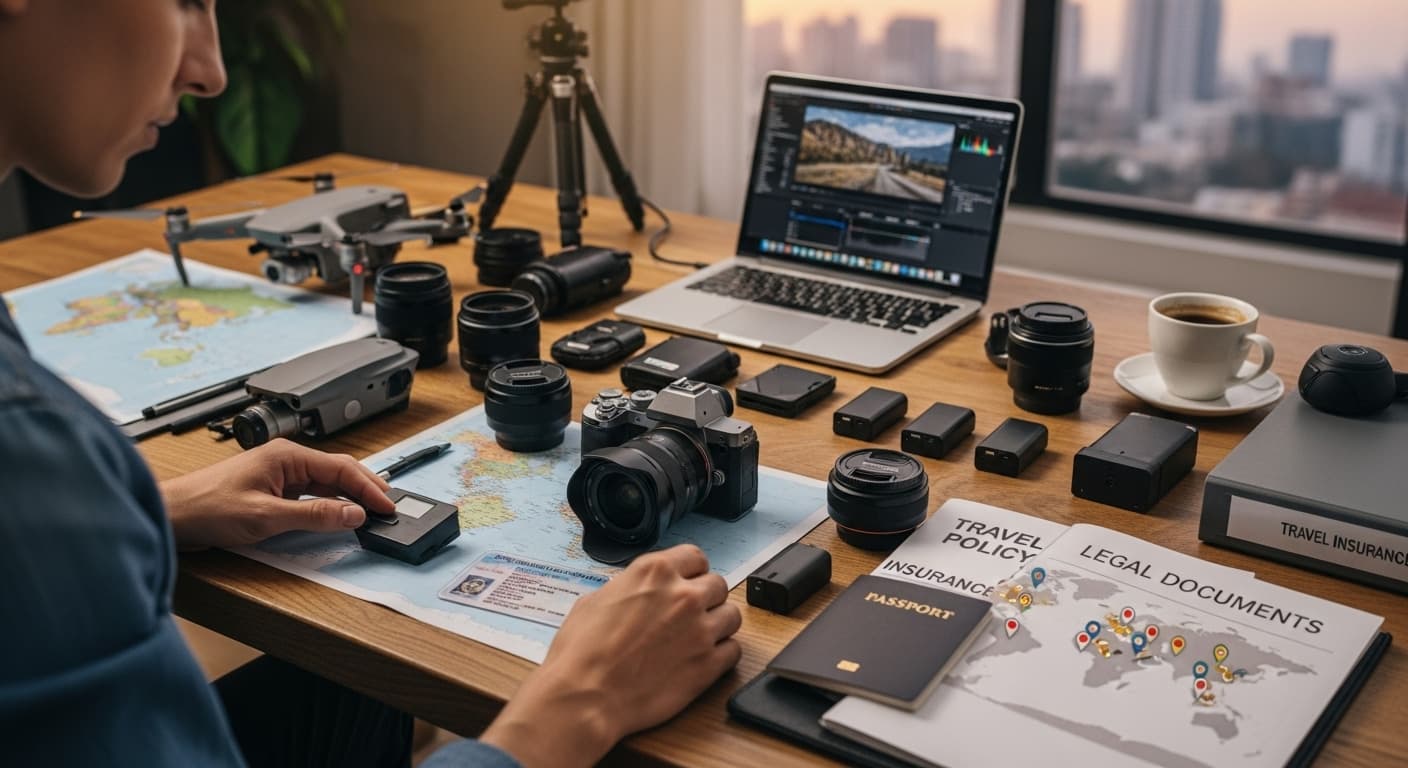
Camera gear for nomads: Invest in a robust main camera with strong low-light performance because you often shoot in changing light conditions. 2-3 high-quality lenses (wide-angle, standard, telephoto) cover most situations. A robust camera bag or dedicated photographer's backpack protects your gear from dust, moisture and impact. Spare batteries and several memory cards are essential, especially in countries with unstable power supplies. A portable yet stable tripod completes your mobile kit. For professional results on the road it's also worth taking a look at the best digital medium format cameras, which despite their size can be surprisingly mobile.
Your laptop is your mobile office and your most important tool for image editing. Choose a model with a high-resolution display and excellent colour rendering, since your clients depend on accurate colours. Performance should be sufficient to handle large RAW files and run several programs at once. For a detailed buying guide you can read the complete PC for photo editing guide with all the important hardware recommendations. External hard drives are a lifesaver – store all important files redundantly and test regularly that your backups work. Cloud storage is convenient but not always available, especially in countries with slow internet. A mobile hotspot gives you independence from unreliable Wi-Fi connections, and a power bank can save your day in critical moments.
Laptop & image editing: A high-resolution laptop with good colour rendering is your mobile office. External drives for backup are essential, since data loss on the road is particularly painful. Cloud storage is convenient but not always available. A mobile hotspot gives you independence from unreliable Wi-Fi, and a power bank can save your day in critical moments.
Software & tools for mobile workflows
The right software can make the difference between a successful and a frustrating nomadic workflow. As a digital nomad photographer you often work in cafés, coworking spaces or even on the beach – places where you don't always have access to your full desktop setup. Modern mobile apps such as Lightroom Mobile or Capture One Mobile have evolved into surprisingly powerful tools that allow you to perform professional image editing on your smartphone or tablet. These apps automatically sync with their desktop counterparts so you can switch seamlessly between devices. Cloud-based workflows are becoming ever more important – tools like Adobe Creative Cloud, Google Drive or Dropbox give you access to your files from anywhere in the world. For client communication, platforms such as Slack, Zoom or Microsoft Teams are essential, especially when you work across different time zones. Project management tools like Trello, Asana or Notion help you keep track of assignments and deadlines on the road. The art lies in finding the right balance between functionality and mobility – you need tools that are powerful enough for professional work but flexible enough to be used from various locations.
Especially interesting in this context are AI tools for photographers that can revolutionise your mobile image editing.
Insurance, visas and legal matters
Financial planning and taxes abroad
3.Ideal destinations for digital nomad photographers
Criteria for choosing a location (internet, costs, safety, photo subjects)
Choosing the right location can make or break your nomadic photographer life. It's not just about where it's most beautiful – you need a place that meets both your professional and your personal needs.
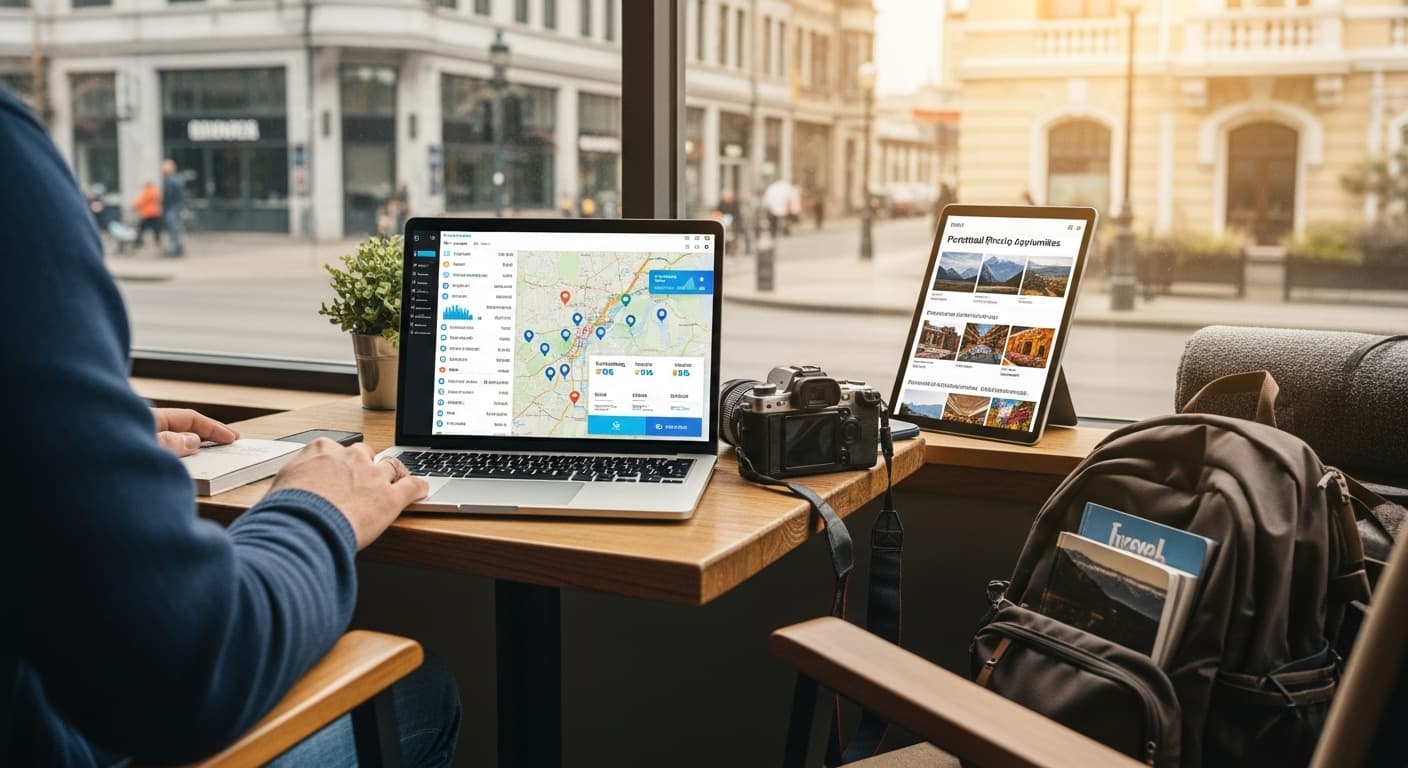
Internet speed is often the deciding factor, especially when you need to edit large RAW files or attend video calls with clients. A slow connection can drastically reduce your productivity and become deeply frustrating. The cost of living must fit your budget – a place may be stunning, but if you can't afford housing or have to fight for every euro, the adventure quickly becomes stressful. Safety is an often underrated criterion, especially when you carry expensive camera gear. You need to feel comfortable walking alone at night or leaving your equipment in a hostel. The availability of inspiring photo subjects is naturally important – but remember that even everyday scenes in foreign countries can be valuable for your clients. Also consider practical aspects such as the availability of coworking spaces, the quality of healthcare and connections to international airports. For a detailed guide on planning a photo trip you'll find all the important tips and tricks here.
Top 10 destinations 2025 for nomad photographers
The best destinations for digital nomad photographers combine excellent infrastructure with inspiring subjects and nomad-friendly conditions. Portugal tops the list – with its mild climate, excellent internet and relatively low cost of living, it's a paradise for digital nomads. Coastal cities such as Lisbon and Porto offer not only beautiful architecture and landscapes but also a vibrant creative scene and plenty of coworking spaces. Thailand remains a classic, especially Bangkok and Chiang Mai, where you'll find a large community of like-minded people and very low costs. Spain offers a perfect blend of culture, history and modern infrastructure in cities like Barcelona, Valencia and Seville. Mexico is becoming more popular, particularly Mexico City and Playa del Carmen, where you'll find an exciting mix of urban and natural subjects. Colombia surprises many with its diversity – from colonial cities like Cartagena to modern metropolises like Bogotá and Medellín. Each of these destinations has its own merits, but they all offer what digital nomad photographers need most: reliable internet, affordable living costs, safety and endless photographic opportunities.
For a comprehensive overview of popular relocation destinations with detailed information on living costs and immigration regulations, you'll find a helpful "Where to emigrate" overview here.
Top destinations for digital nomad photographers 2025
| Country | Internet Speed | Monthly Costs | Photo Subjects | Nomad Score |
|---|---|---|---|---|
| Portugal 🇵🇹 | 50-100 Mbps | €800-1,200 | Coasts, architecture, culture | 9/10 |
| Thailand 🇹🇭 | 30-80 Mbps | €600-1,000 | Beaches, temples, markets | 8/10 |
| Spain 🇪🇸 | 60-120 Mbps | €900-1,400 | Cities, nature, traditions | 8/10 |
| Mexico 🇲🇽 | 25-60 Mbps | €700-1,100 | Culture, landscape, people | 7/10 |
| Colombia 🇨🇴 | 20-50 Mbps | €500-800 | Nature, cities, diversity | 7/10 |
Short stay vs. long stay
4.Working on the road: workflow & routine
Mobile image editing and data management
Backup strategies without reliable Wi-Fi
Organising shoots on location
Effective time management and self-discipline
5.Income streams for photographers abroad
Freelance projects and location-independent client work
Selling stock photos and online licences
Monetising workshops, coaching and social media reach
Print sales and exhibitions
6.Networking & community
Where and how to connect with other nomads
Nomad communities are a great way to meet like-minded people and make valuable contacts. Use coworking spaces, digital nomad groups and local meetups to connect with others who have chosen the same lifestyle.

These gatherings offer not only the opportunity to make new friends but also to forge valuable business contacts and learn from the experiences of others.
Online platforms and nomad communities
Cooperations with local artists and brands
7.Sustainability & ethics on the road
Respectful photography of local cultures
Environmentally conscious travel with camera gear
Responsibility when dealing with sensitive subjects
8.Personal growth & balance
Between wanderlust and feelings of home
Coping with loneliness and wanderlust
Loneliness can be a problem, especially when you travel alone and constantly visit new places. Find ways to make social contacts and protect your mental health.

The nomadic life can be isolating, but there are many ways to build connections with other people and create a sense of community.
Practical tips for mental health on the road
9.Future outlook
How the working world for photographers is changing
Trends: AI, remote work and visual content platforms
Is the lifestyle worth it long term?
10.Conclusion
Life as a digital nomad photographer offers unparalleled opportunities for personal growth, creative inspiration and professional development. With the right preparation, a well-thought-out workflow and a strong network you can travel the world successfully while living your passion for photography. The combination of technical expertise, entrepreneurial thinking and cultural openness makes this lifestyle a uniquely rewarding experience.
For everyone considering a permanent move, Systemstratege offers comprehensive information and structured approaches for strategic emigration.