A comprehensive comparison: Fujifilm GFX 100S II, Hasselblad X2D II 100C and Phase One IQ4 – from beginner to pro, every price class analyzed.
Author
Martin Kleinheinz
Photographer · Hannover
Updated
May 25, 2026
You're standing in front of the most important investment decision of your photographic career. After years with full-frame cameras, you ask yourself: Is the jump to medium format worth the effort? The answer is complex, because in 2026 the landscape has changed dramatically. What used to be reserved for exclusive studios and wedding pros with six-figure budgets is now within reach for ambitious photographers.
Medium-format cameras offer physically larger sensors than full-frame systems, which leads to extraordinary image quality. We're talking about 102-megapixel resolution, 15 stops of dynamic range and a color depth that preserves detail even under extreme light – detail that full-frame sensors long since gave up on. Depth of field is naturally shallower thanks to the larger sensor area, which in portraits produces that characteristic medium-format look you know from high-end fashion photography.
But here's the decisive point: prices have come down. While Phase One still operates in the €50,000 segment, you can step into medium format today for less than €5,000. Fujifilm shook up the market with the GFX series, Hasselblad followed up in 2025 with the second generation of the X series, and even pros like Annie Leibovitz and Dan Winters now use affordable medium-format systems. At the same time, mirrorless designs have drastically reduced weight and size.
In this comparison I analyze the best digital medium-format cameras of 2026 across all price classes. You'll learn which camera is right for your needs, where the real differences lie and which investment pays off long-term. I'll look not only at technical data but also at practical use in everyday photography.
01
Basics
Why Medium Format? The Advantages Over Full Frame
Before we dive into individual camera models, it's important to understand what sets medium-format cameras apart and when the investment pays off. The advantages go far beyond pure megapixel counts.
Sensor size and image quality
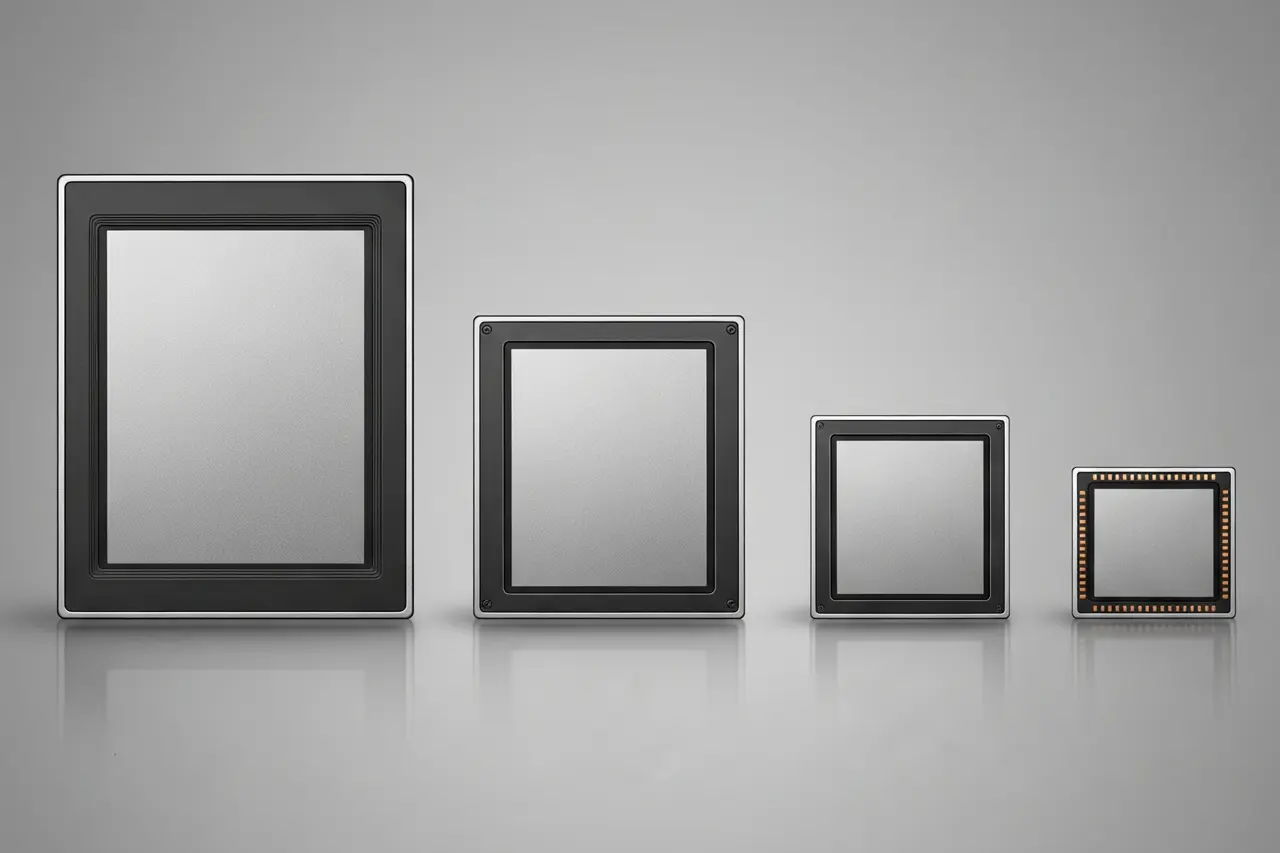
The decisive difference lies in physical sensor size. While a full-frame sensor measures 36 × 24 mm, most medium-format cameras offer sensors of 43.8 × 32.9 mm – roughly 1.7× the surface area of a full-frame sensor. Phase One goes even further with true medium-format sensors of 53.4 × 40 mm.
The larger sensor area also enables a naturally shallower depth of field at the same focal length and aperture. The result is that characteristic medium-format look with smoother transitions between sharp and blurred areas. Especially in portraits this produces a three-dimensional depth that's hard to achieve on full frame.
Dynamic range and color depth
Modern medium-format cameras reach a dynamic range of up to 15 stops. Concretely that means: you can capture images that contain both the deepest shadows and the brightest highlights without losing detail. For post-processing you get significantly more headroom.
Color depth is also superior. While good full-frame cameras deliver 14-bit files, medium-format systems work with 16-bit depth. That may sound marginal but means noticeably smoother gradients and more information for color correction. Especially in critical work like product photography or fine-art prints this becomes apparent.
Professional applications
Medium-format cameras aren't for everyone, but in certain areas they're without rivals:
◆Studio photography: Maximum image quality for advertising and product shots
◆High-end portraits: The characteristic look for demanding clients
◆Architecture: Large prints demand maximum resolution
◆Fine-art and gallery prints: When every detail matters
◆Commercial fashion: Industry standard for magazines and campaigns
◆ Lightroom PresetsBundle
Photos with film character
9 Lightroom presets inspired by Portra, Kodak, Fuji & Ilford — for street, portrait and landscape. One-time €29, no subscription.
The medium-format market in 2026 is still dominated by three manufacturers, each pursuing a different philosophy. Pentax has been out of the running since 2023 – the 645Z was discontinued without a successor. Leica's S system is effectively history with the end of the S3. Instead the market has sorted itself between Fujifilm, Hasselblad and Phase One – with clear roles.
Fujifilm: the market leader for affordable medium format
Fujifilm democratized medium format with the GFX series. Where the entry price used to be €20,000, the GFX system today starts under €5,000. That has completely changed the market and explains why even established pros are switching from Phase One to Fujifilm.
GFX cameras use a 43.8 × 32.9 mm sensor – technically a cropped medium format, but at 1.7× the area of a full-frame sensor still impressive. The crop factor is 0.79×, meaning a 63 mm lens behaves like a 50 mm on full frame.
Hasselblad: premium quality with legendary color science
Hasselblad stands for uncompromising quality and arguably the best color science in the industry. The second X-generation unveiled in autumn 2025 – the X2D II 100C – still uses the same 100 MP sensor (43.8 × 32.9 mm) but brings a completely new phase-detect autofocus with AI subject detection and revised image processing. The premium over Fujifilm is justified by build quality, ergonomics and above all the color rendition.
Hasselblad's Natural Colour Solution (HNCS) is legendary. The cameras deliver colors that look more natural and pleasing than the competition – especially for skin tones. You notice it immediately in the RAW file, before you even touch a single slider in Lightroom or an alternative.
Phase One: the reference for the highest demands
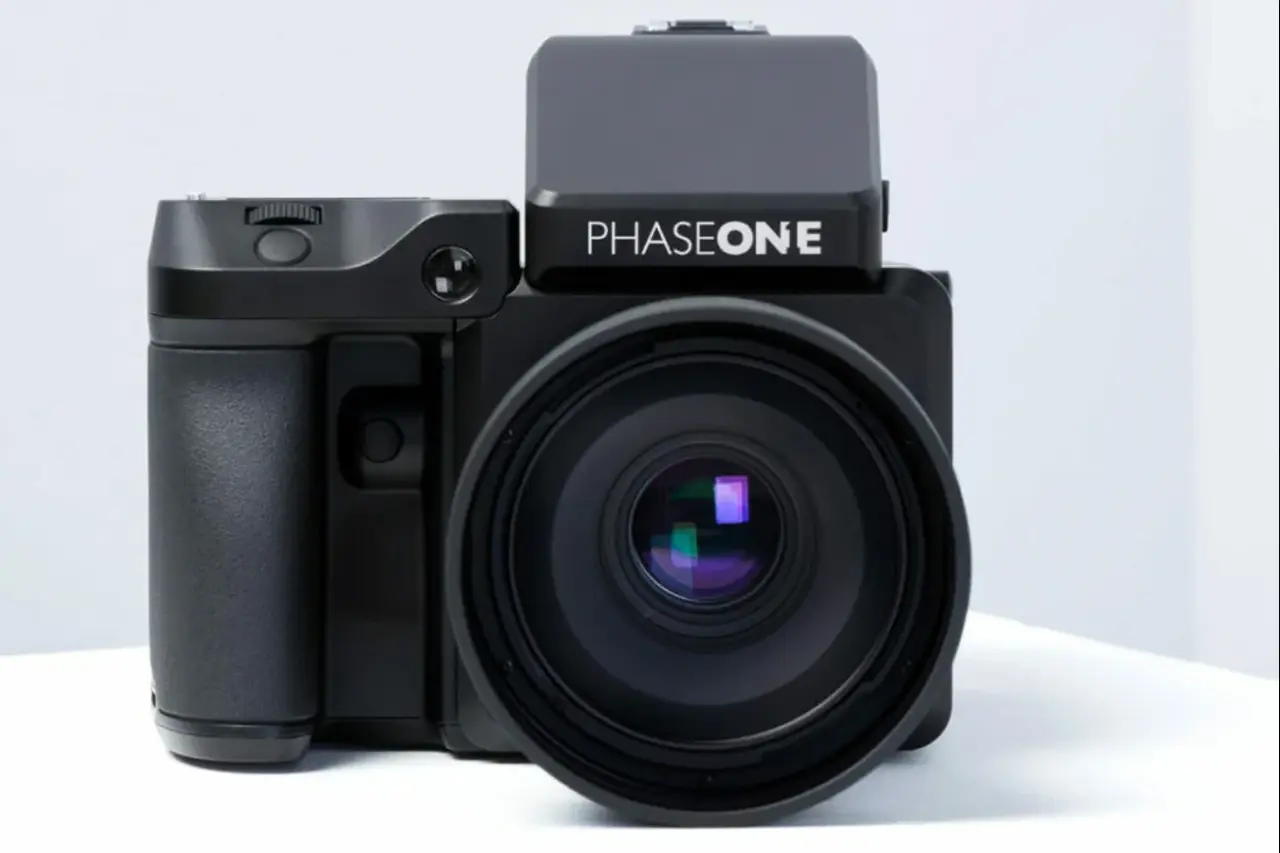
Phase One plays in a league of its own. As the only manufacturer, Phase One uses true medium-format sensors at 53.4 × 40 mm – matching the traditional 645 medium-format film. With 151 megapixels the IQ4 system delivers the highest resolution of any commercial camera.
The system targets pros with very specific demands exclusively: advertising studios producing gigantic prints, or archival projects demanding maximum resolution. At around €56,500 for the XF bundle including IQ4 back and prism finder, it's an investment that only pays off at corresponding day rates.
Lightroom Presets9 film looks inspired by Portra, Kodak & Fuji —View pack →
03
Models
Detailed Comparison: The Best Models 2026
Now we look at the specific camera models. I have tested and compared the most important representatives of every price class. The differences are bigger than the raw specs suggest.
Side by side
Three flagships, three philosophies.
Before we dive deeper into the individual models, here are all the key specs at a glance. Prices should be checked at the respective shop on the day of purchase.
Vergleich
Fujifilm
Fujifilm GFX 100S II
Hasselblad
Hasselblad X2D II 100C
Phase One
Phase One XF with IQ4 150 MP
Bild
Empfehlung
Best Value
Editor's Choice
Pro Tier
Sensor
102 MP · 43.8 × 32.9 mm BSI
100 MP · 43.8 × 32.9 mm BSI
151 MP · 53.4 × 40 mm (true medium format)
ISO-Bereich
80 – 12,800 (extended 40 – 102,400)
64 – 25,600
50 – 25,600
Autofokus
425 phase-detect with subject detection
AI phase-detect · Eye/Face/Subject
Modular · XF, XT or hand-held
Detail
8 stops
7 stops
15 stops
Stärken
+Best image quality in its price class
+More compact and lighter than the competition
+8-stop IBIS, usable handheld
+Pixel-shift up to 400 MP
+Unmistakable Hasselblad color rendition
+1 TB SSD built in – no card stress
+Significantly faster AF than the X2D 100C
+Excellent ergonomics and materials
+Maximum resolution & dynamic range
+Modular system – expandable over years
+Capture One Pro included
Schwächen
−Large RAWs demand a fast workflow
−AF not at full-frame level
−High price
−Still no video
−Lens lineup pricier than Fujifilm
−Very high price
−Specialist tool, not an all-rounder
−No IBIS
Geeignet für
Beginners and hybrid pros who value price-performance.
Studio and editorial photographers who prioritize color and build over everything else.
Advertising, product, architecture and fine-art studios with the highest demands.
Fujifilm GFX 100S II: the price-performance champion
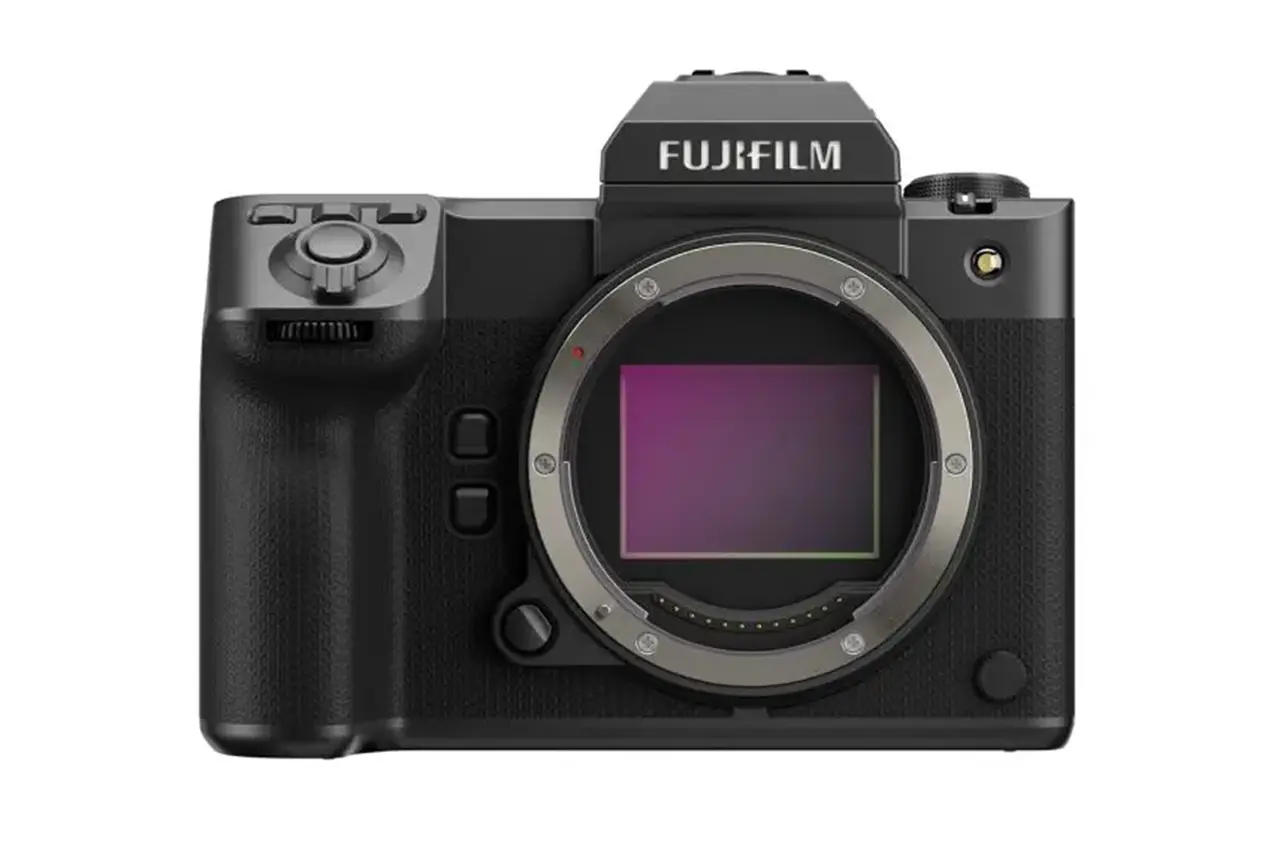
The GFX 100S II is my top recommendation for getting into medium format. At €4,999 it's €1,000 cheaper than the previous model and still offers every modern feature. The 102-megapixel resolution combined with 8-stop IBIS makes it one of the most versatile medium-format cameras ever.
What impresses me most: the camera weighs just 883 grams – lighter than many full-frame DSLRs. The 8-stop IBIS works excellently even with older GF lenses and enables handheld shots that would be unthinkable on other medium-format systems.
The autofocus has become significantly faster than on earlier GFX bodies, even if it doesn't reach modern full-frame levels. For portraits, landscapes and studio work the performance is more than adequate. Action photography is definitely not its strength.
Best Value
Bewertung
4.8
/ 5,0
★★★★☆
Basierend auf 312 verifizierten Bewertungen
Fujifilm
Fujifilm GFX 100S II
The price-performance champion in medium format
102 MP medium-format sensor in a surprisingly compact body. The GFX 100S II delivers image quality that would have cost four times as much only a few years ago.
Hasselblad X2D II 100C: perfection in the premium segment
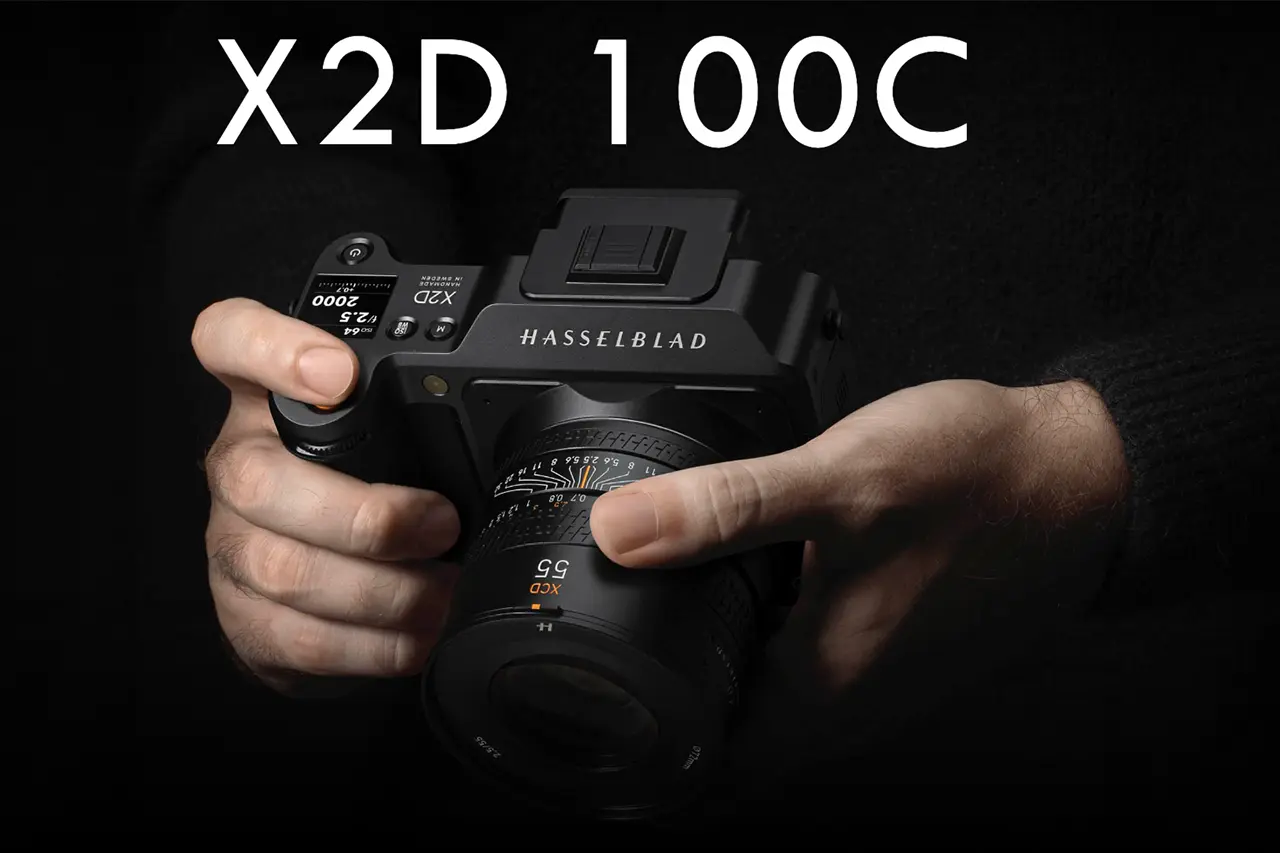
The X2D II 100C is Hasselblad's answer to Fujifilm's rapid pace. It was unveiled in autumn 2025 and has been available in meaningful quantities since spring 2026. At €8,999 it costs significantly more than the GFX 100S II, but offers Hasselblad's legendary build quality, color science and a completely overhauled phase-detect autofocus.
The integrated 1 TB SSD remains the standout selling point. You save expensive CFexpress cards and have enough storage for an entire shooting day. The 16-bit color depth and 15-stop dynamic range produce files with a flexibility that's unmatched in post.
What stays: the X2D II still doesn't record video. Hasselblad focuses uncompromisingly on stills. For photographers who occasionally need motion, that's a deal-breaker. Anyone working photo-first gets one of the best-built cameras on the market.
Editor's Choice
Bewertung
4.9
/ 5,0
★★★★☆
Basierend auf 64 verifizierten Bewertungen
Hasselblad
Hasselblad X2D II 100C
Premium colors, AI phase-AF & Swedish build quality
The second generation unveiled in autumn 2025: same 100 MP sensor as its predecessor, but a completely overhauled phase-detect autofocus with AI subject detection, new image processing and improved EVF. The Natural Colour Solution remains the standout feature.
Was überzeugt
+Unmistakable Hasselblad color rendition
+1 TB SSD built in – no card stress
+Significantly faster AF than the X2D 100C
+Excellent ergonomics and materials
Was Du wissen solltest
−High price
−Still no video
−Lens lineup pricier than Fujifilm
Editor's Statement
“My first choice for editorial portraits and studio”
The Phase One IQ4 150MP system is the ne plus ultra for users who need maximum image quality. With 151 megapixels and a true 53.4 × 40 mm sensor it delivers a resolution and detail accuracy that's unmatched.
The larger sensor brings not just more megapixels but also an even smaller crop factor (0.64×). Lenses behave almost like on a 35 mm body. The dynamic range and color depth are a touch better still than the competition.
The system is modular. The IQ4 digital back can be mounted on various camera bodies – from the classic XF system to the XT technical camera for architecture. The flexibility is unmatched, but so is the complexity.
Pro Tier
Bewertung
4.7
/ 5,0
★★★★☆
Basierend auf 42 verifizierten Bewertungen
Phase One
Phase One XF with IQ4 150 MP
The uncompromising reference for advertising & fine art
The XF camera system with IQ4 150MP back and prism finder delivers 151 MP on a true 53.4 × 40 mm sensor. Capture One is integrated directly (Capture One Inside). An investment for a complete studio setup – list price in the professional medium-format segment.
Was überzeugt
+Maximum resolution & dynamic range
+Modular system – expandable over years
+Capture One Pro included
Was Du wissen solltest
−Very high price
−Specialist tool, not an all-rounder
−No IBIS
Editor's Statement
“When every detail counts – advertising, architecture, reproductions”
After intensive testing with every system I can make clear recommendations. There is no single best camera – it depends on your specific needs.
For beginners in medium format: Fujifilm GFX 100S II
If you want to experiment with medium format for the first time, there's no way around the GFX 100S II. The price-performance ratio is unbeatable and you get modern features like IBIS and fast autofocus.
The lens selection is good and constantly expanding. Fujifilm has already announced that more GF lenses are coming. With adapters many older medium-format lenses also work, though without autofocus.
For studio and portraits: Hasselblad X2D II 100C
If you work mainly in the studio or shoot portraits, the X2D II 100C is the benchmark. The color science is without competition and skin tones are perfect straight out of camera – without needing to pull a LUT or preset first.
The integrated 1 TB SSD makes studio life significantly easier. No worries about full cards, and the revised phase-detect AF of the second generation has cleared the biggest weakness of the first X2D. The build quality justifies the premium if you use the camera daily.
For the highest demands: Phase One IQ4 150MP
The Phase One system only pays off if you regularly have clients who explicitly demand and pay accordingly for this quality. Commercial photographers working on international campaigns, or fine-art photographers selling large gallery prints.
Image quality really is another step up from Fujifilm or Hasselblad. But whether that improvement justifies €50,000 in premium, you need to calculate honestly. In most cases the cheaper alternatives are enough.
05
Outlook
Outlook: What 2026 and 2027 Might Still Bring
The medium-format market consolidated in 2025 and 2026. The exciting question is no longer "Which manufacturer will be left?" but "Where can sensor, workflow and price be improved next?". Three developments are worth a look.
Hasselblad has taken the next logical step with the X2D II: same sensor, significantly more modern electronics. That's the roadmap we'll likely see at Fujifilm too over the next twelve to eighteen months – an iterative update of the GFX 100 II with better AF and faster sensor readout, without swapping the 102 MP sensor.
Leica has quietly buried the S system after the S3. The much-discussed rumors about a hybrid medium-format system never materialized – Leica is focusing on SL and M. And DJI? Patents for medium-format components have been sitting in drawers for years, but there is still no concrete product as of May 2026. Realistically, 2027 at the earliest.
More interesting is another trend: Capture One and Adobe have improved their AI workflows enough that cropping a 102 MP image down to a full-frame crop is possible without visible quality loss. Medium format thus offers not just resolution but also flexibility in post – an argument hardly anyone had on the radar three years ago.
From my workflow
35mm & 120mm film presets
Portra, Kodak Gold, Velvia, HP5 & more — ready-made XMP presets for Lightroom Classic and mobile.
Transparency notice: This article contains affiliate links. If you buy through them I earn a small commission at no extra cost to you. Editorial content is unaffected.
◆ Newsletter
Stay in the loop.
Camera and photography news, honest gear tests and new articles — in your inbox. Infrequent but relevant. No spam, unsubscribe anytime.