Become an Event Photographer 2026: The Complete Guide
Business registration, pricing, contracts, gear, flash and available light, GDPR, marketing and first steps — from hobbyist to paid event photographer.
Author
Martin Kleinheinz
Event Photographer · Hannover
Updated
May 26, 2026
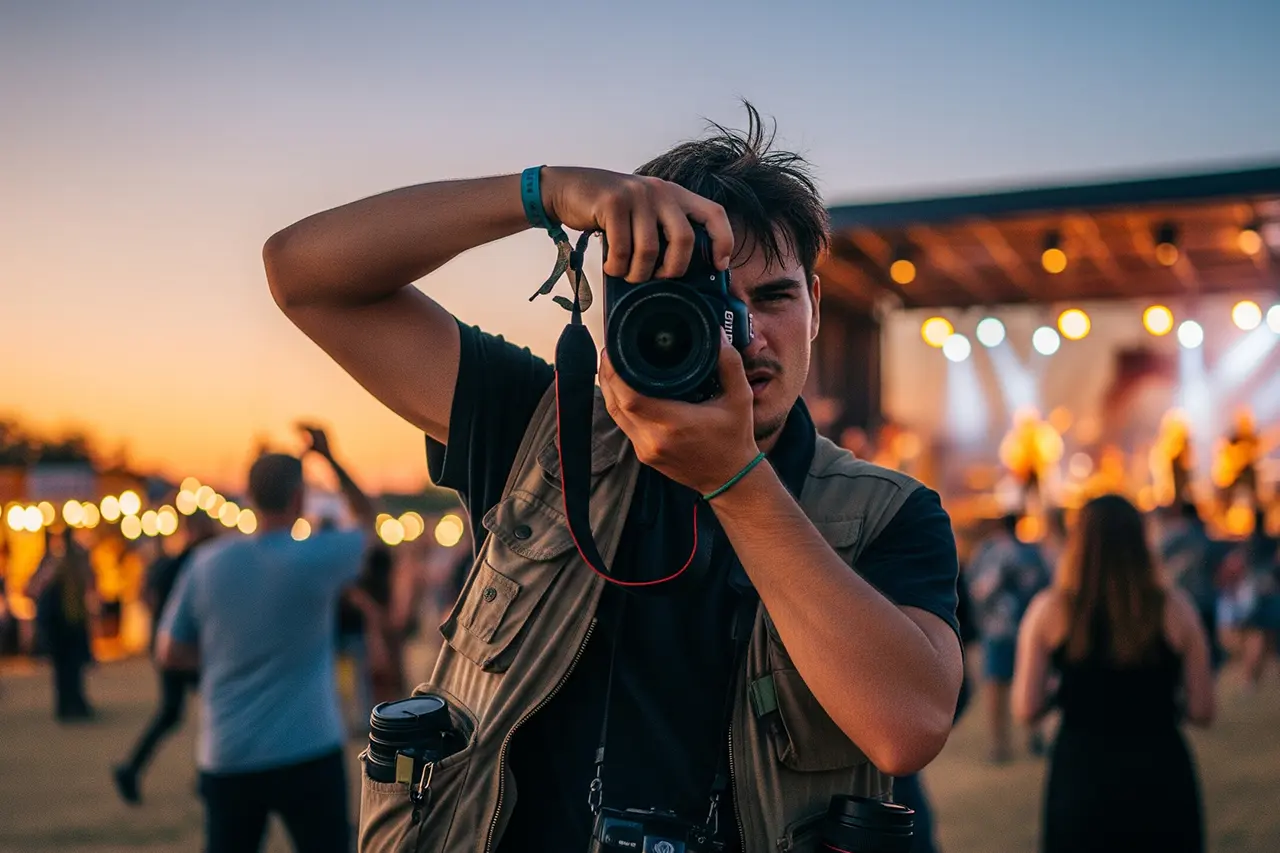
Event photography is more than pressing the shutter — it's storytelling under time pressure, with difficult light and real emotions. Technique, creativity and people skills all have to line up.
This guide walks you from understanding the genre through business registration, prices and contracts to gear, flash technique, GDPR and marketing — everything you need to launch as an event photographer.
Event photography documents the atmosphere, emotions and decisive moments of a planned event — not just who was present. A good event photographer tells a visual story that even non-attendees can feel.
It takes fast reflexes, technical command in difficult conditions and the ability to shape chaos into a coherent reportage — the big highlights and the small details around the edges.
For companies
Marketing, PR, employer branding — professional images strengthen brand image and document success.
◆Portrait: event portraits happen spontaneously under time pressure — no studio setup.
◆Fashion: events document the whole show — fashion only the product.
◆Documentary/photojournalism: events are often commercial commissions — different ethical rules apply.
◆Architecture: buildings as context — for the architecture photographer the building is the subject.
02
Motivation
Why Become an Event Photographer?
The fascination: every assignment is different. You're live when history is being written — wedding vows, awards ceremonies, rock concerts. Real, unfiltered emotions, never to be repeated.
Professionally, self-employment is the most common path — flexibility, diverse clients (agencies, companies, event planners, private customers). Specialization (luxury weddings, conferences, festivals) leads to expert status and higher fees.
03
Business
Prerequisites, Business and Prices
Business registration and small-business rule
Commissioned photography for events (weddings, corporate parties) is almost always a commercial trade in Germany — not a freelance profession. Register with the trade office (approx. €15–65); IHK/HWK will be informed. Small-business rule §19 UStG: under €22,000 prior-year turnover and expected under €50,000 ongoing — no VAT on invoices.
Event photography prices
Hourly rates in Germany typically €70–250, realistically often €150–200 — depending on experience, event length, travel and post-processing. On-site time is just one part; culling and editing can take longer than the event itself.
Service
Billing
Price range
Note
Event coverage
Per hour
€100–250
Includes post-processing, varies regionally
Half day
4 h package
€400–900
Often cheaper than individual hours
Full day
8 h package
€800–2,000+
Conferences, weddings
Package
Per event
Variable
Video, photo booth, albums possible
Contract and usage rights
A written contract is mandatory: scope of services, fee, usage rights, delivery date, cancellation, GDPR. Templates: Model and Property Release.
Technique and soft skills
Manual mode, exposure triangle, flash, Lightroom/Photoshop. Personal: an eye for detail, anticipation, fitness for long deployments.
Soft skills often decide success: communication, adaptability under pressure, empathy, discretion, punctuality, appropriate dress.
04
Specialization
The Different Event Types
Corporate events
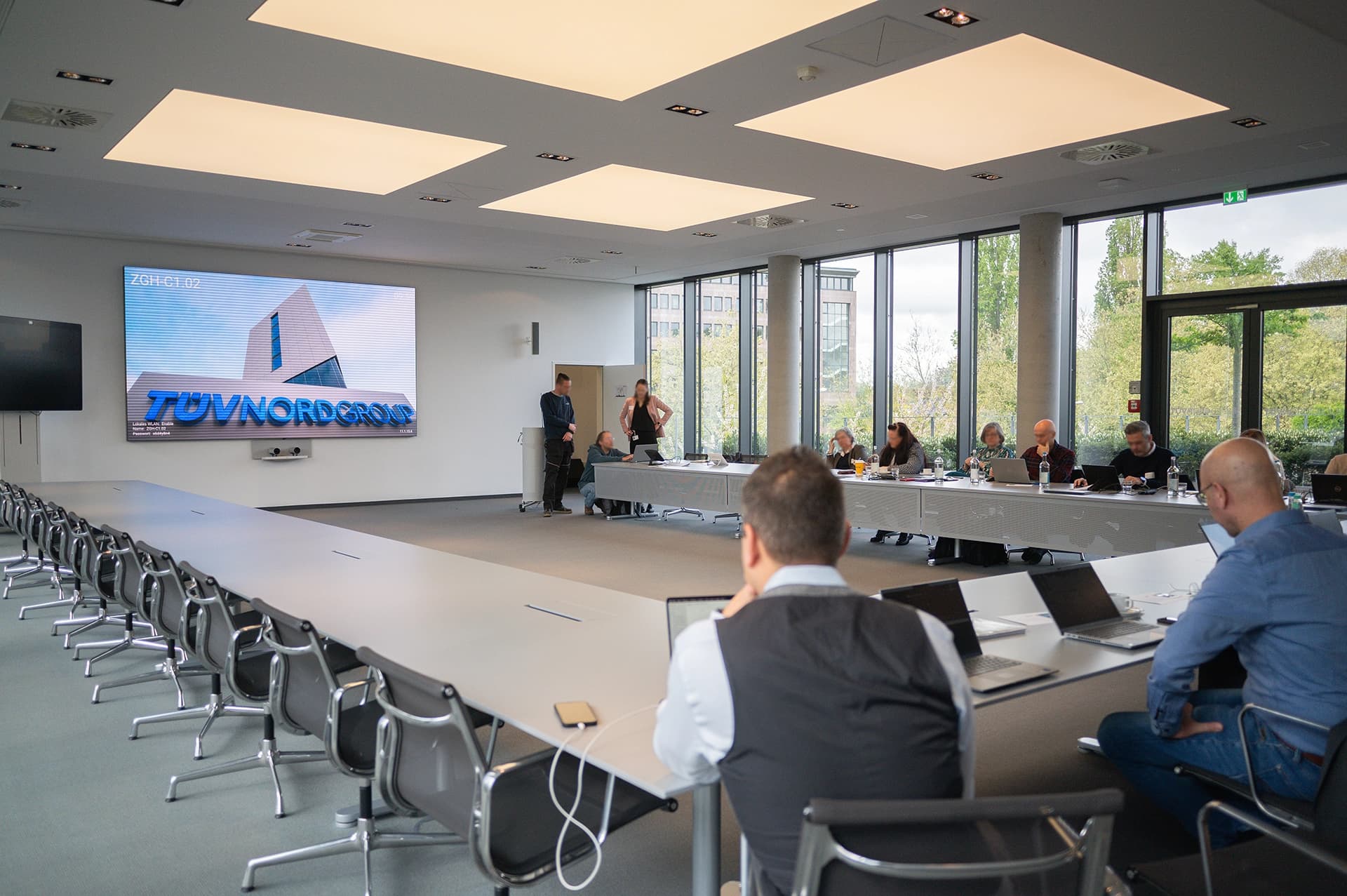
Conferences, trade shows, galas — professional visual language, marketing/PR/employer branding. Discreet during talks, focus on speakers, networking, atmosphere.
Private celebrations
Weddings, anniversaries — emotion, candid/authentic, high empathy and GDPR sensitivity around guests.
Concerts & sport
Extreme light, fast motion, often a flash ban. Telephoto, short shutter speeds, the "first three songs" rule at concerts.
05
Planning
Preparing for an Event
Pros set themselves apart before the first shutter click: research, schedule, site visit when possible, clear agreements.
Schedule
Roadmap for speeches, awards, cake cutting — anticipate instead of chasing.
Packing list
2 bodies, zoom + tele, several batteries/cards, flash + diffuser, cleaning kit, tripod/monopod, laptop for backup.
Briefing
Must-have shots, VIPs, deliverables, on-site contact, photo notes for guests.
Event photography and GDPR
Identifiable people = personal data. Legal bases: consent or the organiser's legitimate interest. Details: GDPR for photographers.
◆Notice in the invitation/tickets
◆Signs at the entrance
◆Opt-out (wristband/sticker)
◆Consent for portraits/groups — written for commercial use
06
Gear
The Right Gear
Reliable, versatile, fast — not necessarily the most expensive body. Dual slots, good high-ISO sensor, eye AF, quiet shutter.
Zoom strategy
14–24, 24–70, 70–200 mm f/2.8 — maximum flexibility.
Prime strategy
35/50/85 mm f/1.4–1.8 — best low-light quality.
Flash
External swivel flash — bounce off ceiling/wall, never the built-in pop-up.
Category
Beginner
Pro
Why it matters
Camera
Canon R10, Sony a6400
R6 II, A7 IV
Low light, AF, dual slot
Standard zoom
18–50 f/2.8, kit zoom
24–70 f/2.8
Versatility
Prime lens
50 mm f/1.8
35/50/85 f/1.4
Low light, bokeh
Flash
Godox V1/TT685
Profoto A10, Canon EL-5
Soft light
Storage
2× 64 GB V60
2× 128 GB V90
Speed + backup
07
Technique
Settings and Technique On Site
Pros work in Manual mode (M) for consistent exposure — the camera isn't fooled by stage lights.
With flash: bounce flash
Golden rule: bounce the flash head off ceiling/wall. Advanced: slow-sync flash — long shutter + flash freezes the subject while ambient light stays visible. Dance floor: second-curtain sync for motion trails behind the subject.
Without flash (available light)
Often mandatory in churches/concerts: fast lenses, high ISO, RAW for headroom. Place subjects in existing light (windows, stage lighting, candles).
Situation
Mode
Aperture
Shutter
ISO
Flash tip
Dim reception
M/Av
f/1.4–2.8
>1/125 s
1600–6400
Bounced
Speaker on stage
M
f/2.8–4
>1/200 s
800–3200
Stage light
Dance floor
M
f/4–8
1/15–1/60 s
100–400
2nd curtain + drag
Group photo
M/Av
f/5.6–8
>1/100 s
400–1600
Bounced/diffuser
Starting settings — always adapt to the situation
08
Workflow
Post-Processing and Image Selection
Backup → cull → deliver only the best 10–15 %. Quality over quantity.
Software
Lightroom for the workflow, Photoshop for retouching. Alternatives: Capture One, AI tools.
Best work, clear services, prices/inquiry, about page. SEO for local search.
Social media
Instagram for images, LinkedIn for B2B. Consistency matters more than follower count.
Networking
Event planners, venues, caterers — personal contacts are often more valuable than ads.
Pricing
Base package / standard / premium. Don't systematically undercut — include all costs + profit.
Referrals
Excellent service + fast delivery = the best advertising.
10
Law
Law, Insurance, Taxes
Copyright
You are the author — the contract defines usage rights (private, commercial, exclusive). Portfolio use reserved.
Insurance
Professional liability is mandatory. Equipment insurance for theft/damage recommended.
Contracts & T&Cs
Have them reviewed by a lawyer — internet templates are risky.
Taxes
Document income/expenses, VAT, tax advisor as you grow.
11
Start
First Steps and Common Mistakes
Typical beginner mistakes
◆Too many assignments at once — quality suffers
◆No preparation / no briefing
◆Technique before people — communication neglected
◆Prices too low — hard to raise later
From theory to practice
Practice
Family parties, local events, TFP with clubs/bands — build a portfolio.
Specialise
Pick one niche first (e.g. corporate or weddings), then expand.
Keep learning
Workshops, mentor, photo clubs — seek feedback.
Set small goals: 15 strong portfolio images instead of jumping straight to a high-end wedding. Combine passion with professional behaviour — the path is open.
12
FAQ
Frequent Questions
Do I need a business registration as an event photographer?+
In Germany, almost always yes for paid assignments (weddings, corporate events). Register with the trade office, optionally use the small-business rule up to €22,000 turnover.
What do event photographers earn in Germany?+
Hourly rates typically €100–250, daily rates €800–2,000+. Post-processing has to be in the calculation — often 50 % of working time.
Which camera should beginners pick for event photography?+
Good low-light performance, fast AF, dual slot: e.g. Canon R10, Sony a6400. Lens: 24–70 mm f/2.8. A second body as soon as possible.
Do I have to use flash at events?+
Often yes indoors — bounce flash. Churches/concerts: available light with fast lenses.
How do I start without experience?+
Practice for free for friends or as a volunteer, build a portfolio, then small paid jobs. Guided photo trips or second-shooting at weddings speed up your learning.
This article may contain affiliate links (marked with *). There are no extra costs for you.
◆ Newsletter
Stay in the loop.
Camera and photography news, honest gear tests and new articles — in your inbox. Infrequent but relevant. No spam, unsubscribe anytime.