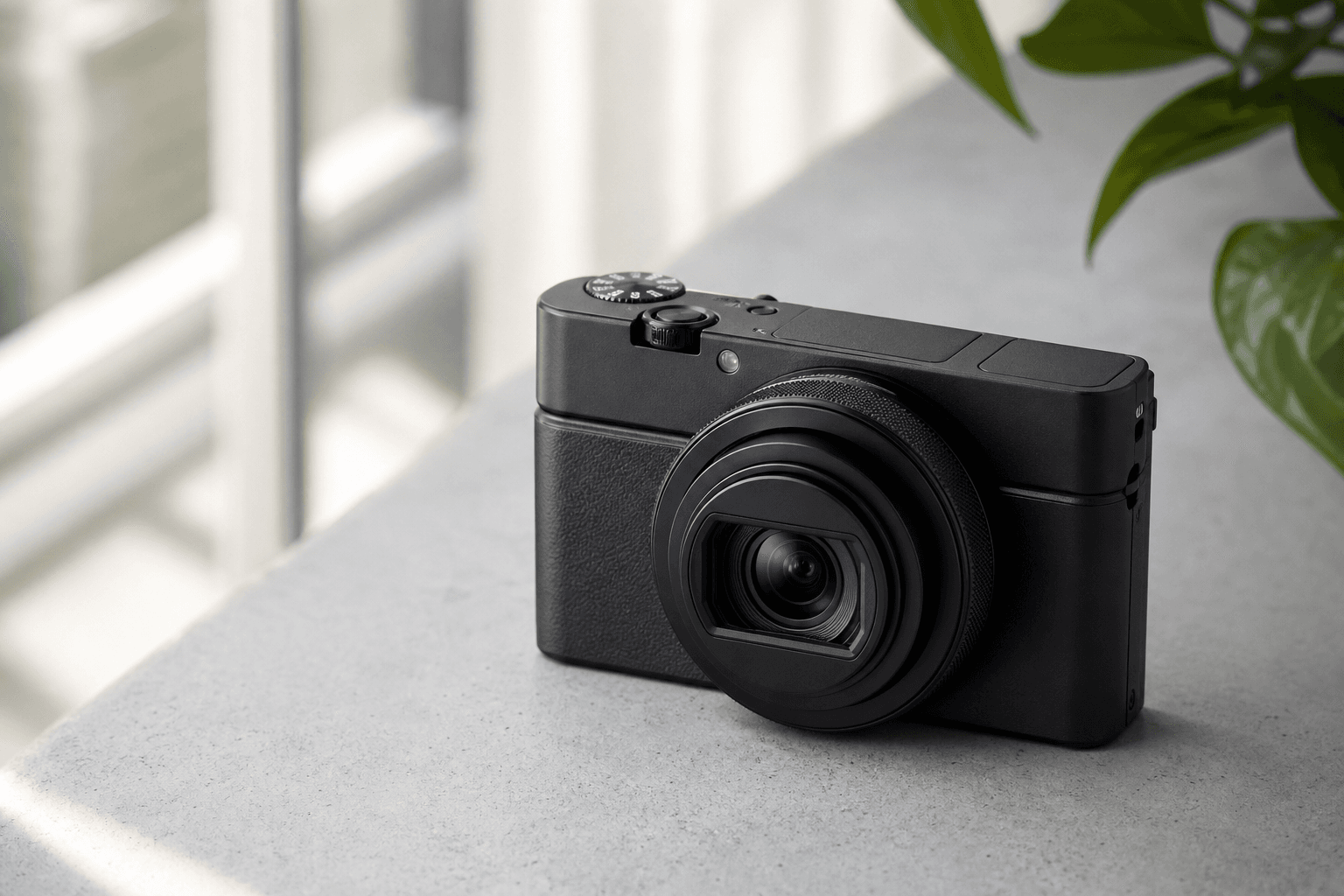
Fuji GFX 100S Review 2026: Medium Format — Madness & Reality

102 megapixels, colour from another league, autofocus with limits and RAW files that even a MacBook Pro M4 Pro has to think about. An honest field test from a photographer who pays for the camera through client work.

Fuji GFX 100S — 102-megapixel medium format in a real-world review 2026
Martin Kleinheinz
Author
Martin Kleinheinz
Photographer · Hannover
Updated
August 18, 2026

The Fuji GFX 100S costs around €5,000 for the body alone. No lens. No memory cards. No case. For most photographers, that's not a purchase price — it's a statement.

I bought it anyway. And I don't regret it — but I pay for it through client work. If that doesn't apply to you, read this article carefully. Because in certain disciplines, the GFX 100S is simply the best camera I've ever held in my hands. And in others, it clearly loses to cameras that cost a sixth as much.

This article gives you everything: technical specs, a direct comparison with the Nikon Z6 II and Sony RX100 VII, an honest assessment of strengths and weaknesses — and a clear answer to who the GFX 100S actually makes sense for.

00
Quick Verdict

Exceptionally good. Exceptionally expensive. Exceptionally niche.

The Fuji GFX 100S is a camera for portrait and detail photography, where image quality matters more than speed. It delivers tonal depth and skin tones I can't match with full-frame cameras. The price is high, the use case narrow, and the workflow demands patience. If you accept that — and can pay it off through work — you get something special.

01
Specification

Technical Specs: What's Actually Inside?

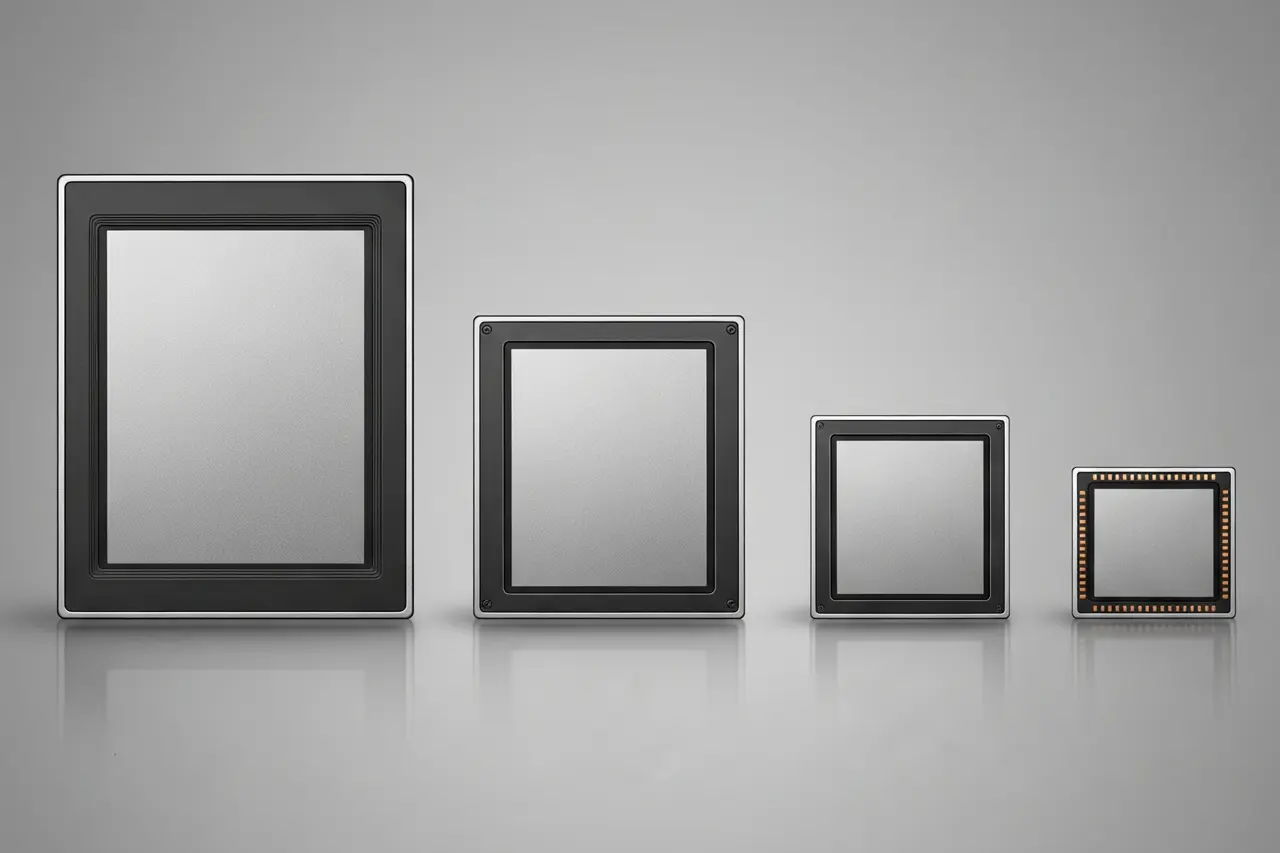
Before we get into the field test: the GFX 100S is not a full-frame camera with more megapixels. The 43.8 × 32.9 mm sensor is roughly 70% larger than a full-frame sensor — that makes a fundamental physical difference in tonal depth, dynamic range and depth-of-field control.

CategoryFuji GFX 100S
Sensor102 MP BSI CMOS — 43.8 × 32.9 mm (medium format)
Sensor comparisonapprox. 70% larger than full frame (36 × 24 mm)
Dynamic rangeapprox. 14 EV — among the highest on the market
ISO range100–12,800, expandable 50–102,400
AutofocusPhase-detection hybrid AF, 3.76M phase points, 100% coverage
Burst ratemax. 5 fps (1 fps with mechanical shutter)
Video4K up to 30p (no 4K/60p), 10-bit F-Log
Stabilisation5-axis in-body image stabilisation (IBIS), 6 stops
Shutter speeds1/4,000 s (mechanical), 1/16,000 s (electronic)
ViewfinderEVF, 5.76M dots — extremely sharp
Display3.2", 2.36M dots, tilting (no flip screen)
Weather sealingYes — splash and dust resistant, cold rated to −10 °C
Storage2× UHS-II SD card slots
RAW file sizeapprox. 100–200 MB per image (uncompressed)
Weight900 g with battery — not pocket gear
BatteryNP-W235 — approx. 460 shots (CIPA)
Body priceapprox. €4,999–5,500 depending on retailer, as of 2026

Fuji GFX 100S — specifications, August 2026

02
Head-to-Head

GFX 100S vs. Nikon Z6 II vs. Sony RX100 VII — what does each cost, and what do you get?

This comparison is deliberately uneven — that's the point. The Nikon Z6 II and Sony RX100 VII cost a fraction of the GFX 100S. The question isn't which camera is better, but: what does the price difference buy you?

CriterionFuji GFX 100SNikon Z6 IISony RX100 VII
Sensor102 MP medium format24.5 MP full frame20.1 MP 1"
Sensor area43.8 × 32.9 mm35.9 × 23.9 mm13.2 × 8.8 mm
Colour & tonal depthExceptionalVery goodGood
Portrait skin tonesOutstandingVery goodGood
Dynamic rangeapprox. 14 EVapprox. 14 EVapprox. 12 EV
All-round autofocusGood, but not class-leadingVery good — PDAF 273 pointsExcellent — 357 phase-detection AF
AF for movement/actionConditionalVery goodVery good
Burst rate5 fps14 fps (12-bit RAW)20 fps blackout-free
RAW file size100–200 MBapprox. 25–30 MBapprox. 18 MB
Editing speedSlow (large files)FastVery fast
4K video4K/30p, 10-bit4K/60p, 10-bit N-Log4K/30p, no Log
Weight with battery900 g705 g302 g
Body price approx.€5,000€1,800–2,000€1,049
Best forPortrait, studio, detailAll-rounder, video, eventsTravel, street, vlog

All figures: manufacturer specs and hands-on practice — August 2026

The price gap between the GFX 100S and Nikon Z6 II is around €3,000. That's three more full-frame lenses. A good day studio rental. Several workshops. The question isn't whether the GFX is better — in certain areas it is. The question is whether the difference justifies the price. For most people: no. For specific assignments: yes.

03
The Standout Feature

Colour & Tonal Depth: What Outstanding Actually Means

I usually choose my words carefully. But here it is: the GFX 100S's colour rendering is on a level I can't reach with full-frame cameras — not even the Nikon Z6 II. It's not just the 102 megapixels. It's the physical sensor area, which simply captures more light and stores more colour information per pixel.

Tonal depth
Transitions in skin tones, fabric folds and natural colours look more dimensional and nuanced on the GFX. When I put a GFX portrait next to a Z6 II portrait, the GFX image looks like it has more — not more sharpness, but more substance.
Portrait skin tones
This is the killer argument for business portraits. When a well-exposed GFX shot lands in development, I have a base that almost looks good on its own. Skin tones stay clean and warm even under more aggressive adjustments.
Dynamic range
Approx. 14 EV — similar to the Z6 II on paper, but in practice the medium-format sensor behaves differently. Details in shadows and highlights can be recovered further without noise eating the substance.
High-resolution detail
At 102 megapixels, you can print a portrait large and still see pores. For portrait work that ends up in print or on large displays, that's a practical advantage — not just a spec-sheet number.
Fuji GFX 100S sample image — tonal depth and skin tones (placeholder for real shot)
Placeholder — own sample images will be added here.
04
The Weakness

Autofocus: Good — But Not at the Level of the Competition

I'll say it plainly: the GFX 100S has autofocus that disappoints for a camera at this price. Not because it's bad — in controlled situations it works cleanly. But because it trails the Nikon Z6 II in direct comparison, and the Sony RX100 VII even more so.

Hit rate with movement
When someone moves through the frame — even just shifting in their chair — the GFX hit rate drops noticeably. With the Z6 II I stay relaxed. With the GFX I have to help more often or shoot more frames to secure the same yield.
Eye-AF reliability
The GFX's Eye AF works — but it's less stable than the Z6 II's. With small head movements, profile shots or difficult light, I have to manually restrict the AF area or readjust more often on the GFX.
System-level limit
Medium-format lenses are large, and the AF mechanics are correspondingly slower. The maximum burst rate of 5 fps (mechanically closer to 1 fps) means: you work with the GFX deliberately and methodically — not reactively.
How I handle it
In practice: I plan portrait sessions so AF isn't the limiting variable. I work with manual focus checks, fixed AF fields and redundant shots. That costs time — but the result justifies it.
05
The Hidden Cost Factor

100+ MB Per Image: What the RAW Load Really Means

The second, underestimated weakness of the GFX 100S isn't in the optics — it's in the computer. Working with 100–200 MB RAW files, you feel it everywhere: on import, scrolling through the gallery, developing in Lightroom, on export. Even a MacBook Pro with M4 Pro loads GFX RAWs noticeably slower than full-frame RAWs.

Workflow stepFuji GFX 100S (100–200 MB)Nikon Z6 II (approx. 25 MB)
Import 500 imagessignificantly longer, high storage demandfast, compact
Scroll gallerynoticeable load time per imagesmooth
Develop in Lightroomrendering delayed, sliders feel sluggishimmediate feedback
Render 1:1 previewtakes noticeably per imagefast
Export 500 images (JPEG)approx. 3–5× longerreference
Storage per shoot50–100 GB uncompressed12–15 GB

Relative impression from practice, MacBook Pro M4 Pro, Lightroom Classic — August 2026

Memory cards
UHS-II cards are mandatory — not optional. Cheap UHS-I cards become a real bottleneck. Two fast SD UHS-II cards at 256 GB minimum for a job day.
Backup & archive
A portrait shoot with 300–400 images generates 30–80 GB. If you shoot regularly, you need a structured backup system. Nothing new for pros — but the GFX takes it to another scale.
Workarounds
Smart Previews in Lightroom help. Compressed RAW (Fuji offers this) reduces file size to 50–70 MB with minimal quality loss. I recommend it for everything except print projects at maximum resolution.
06
Purchase & Payback

€5,000: A Frivolous Purchase — or the Best Investment?

I'll say it directly: the GFX 100S is hard to justify as a hobby purchase. €5,000 for the body, another €1,500–3,000 for a good lens (e.g. the GF 80mm f/1.7) — that quickly adds up to €7,000–8,000 for a portrait setup. For that money you could buy four very good full-frame setups.

My calculation
I pay for the camera through client work. Business portrait shoots where clients pay for print-ready headshots — that's exactly where GFX quality feeds directly into the pricing. The purchase price came back after about 8–10 larger assignments.
The frivolous part
Still: I call it a frivolous purchase because the pure quality difference over the Z6 II isn't visible or billable for 90% of client jobs. I also bought it because the camera excites me as a photographer — I have to admit that honestly.
For hobbyists
If you buy the GFX out of pure passion, without payback through work: that's absolutely legitimate. But you should know that for the same money you could buy a full-frame setup that shows no visible quality loss in 95% of situations.

The GFX 100S is the Ferrari of cameras: you don't buy it because you need it. You buy it because you want it — and if you're smart, you let it work for you.

Martin Kleinheinz
07
Buying Decision

Who the GFX 100S Is Really For — and Who It's Not

SituationGFX 100S makes sense?Better choice…
Business portraits, print-readyYes — core strength
Executive headshots, large formatYes — directly billable
Studio portrait with timeYes — ideal environment
Hobby portrait, no client workFrivolous purchaseNikon Z6 II
Events, wedding, movementConditional to noNikon Z6 II
Action, sport, burst shootingNoNikon Z6 II or Sony Alpha
Travel & everydayNo (too heavy, too expensive)Sony RX100 VII
Video, vlog, contentRather no (4K/30p max)Sony Alpha / Z6 II
Entry into medium formatYes — best starter option

Buying matrix — August 2026

The Nikon Z6 II and Sony RX100 VII play in different leagues — but that's exactly what makes the comparison valuable. The Sony review is here on the site — an excellent camera for completely different purposes. The Nikon Z6 II is the most direct alternative for anyone who wants all-round quality for events and portraits without medium-format compromises.

08
Verdict

My Verdict: Buy It — but With Open Eyes

The Fuji GFX 100S is the best camera I've used for portrait photography. The tonal depth, the skin tones, the rendering — it's on a level full frame simply can't reach. If you can bring that into your work as a pro and pay for it through client assignments: clear recommendation.

At the same time: it has real limits. The autofocus loses to the Nikon Z6 II. The RAW data makes the workflow harder. It's not an all-rounder — it's a specialist. Use it as a specialist and you won't be disappointed. Looking for an all-round camera? Buy a Nikon Z6 II and put the saved half into lenses.

09
FAQ

Common Questions About the Fuji GFX 100S

How much does the Fuji GFX 100S cost in 2026?
The body costs roughly €4,999–5,500 depending on retailer. You need at least one lens: the GF 80mm f/1.7 (portrait standard) runs about €1,700–2,000, the GF 50mm f/3.5 (cheaper entry) around €1,000. A complete portrait setup realistically costs €6,500–8,000.
Is the GFX 100S better than the Nikon Z6 II?
In image quality, tonal depth and portrait rendering: yes — clearly. In autofocus, burst rate, video features, flexibility and price: no. The Nikon Z6 II is an all-rounder; the GFX 100S is a specialist. For most photographers, the Z6 II is the better choice.
Can I use the GFX 100S for events?
Conditionally — for controlled portrait slots at events, yes. For dynamic reportage, action and situations where you can't miss the moment, I'd rather not. The autofocus and 5 fps limit set tight boundaries.
How large are GFX 100S RAW files?
Uncompressed RAF files are 100–200 MB per image. Compressed RAF (offered by Fuji) reduces that to 50–70 MB with minimal quality loss. For most jobs I recommend compressed RAF — exception: large-format prints at maximum resolution.
Does Lightroom run smoothly with GFX 100S files?
On a MacBook Pro M4 Pro: noticeably slower than with full-frame RAWs. Loading, rendering and exporting all take longer. Smart Previews and compressed RAW help significantly. If you edit hundreds of images daily, factor that into your buying decision.
Which lens do you recommend for portraits on the GFX 100S?
The Fujifilm GF 80mm f/1.7 is the best portrait lens for the GFX system — equivalent to roughly 63 mm on full frame, f/1.7 for excellent subject separation. To save money: the GF 110mm f/2 is slightly longer (87 mm equivalent) and delivers equally exceptional results.
Is it worth buying without client work to pay for it?
Honestly: only if you know what you're doing. As a hobby purchase, the GFX 100S is hard to justify — you pay €5,000 for quality differences invisible in most display contexts. As a pro investment with clear print/portrait assignments: absolutely makes sense.
Hands-on practice: the GFX 100S is part of my kit and was not sponsored. Affiliate links marked with * use Amazon partner ID martinkleinhe-20 — I earn a small commission at no extra cost to you.
Newsletter

Stay in the loop.

Camera and photography news, honest gear tests and new articles — in your inbox. Infrequent but relevant. No spam, unsubscribe anytime.

Keep reading

From the journal.

Fotograf, Martin Fernando Mera Kleinheinz · Franz-Bork-Straße 21, 30163 Hannover · 0179 4085297