Sony A6400 Lenses: Which Lens Fits

The A6400 does not steady the image itself. The first lens decides more than the body.

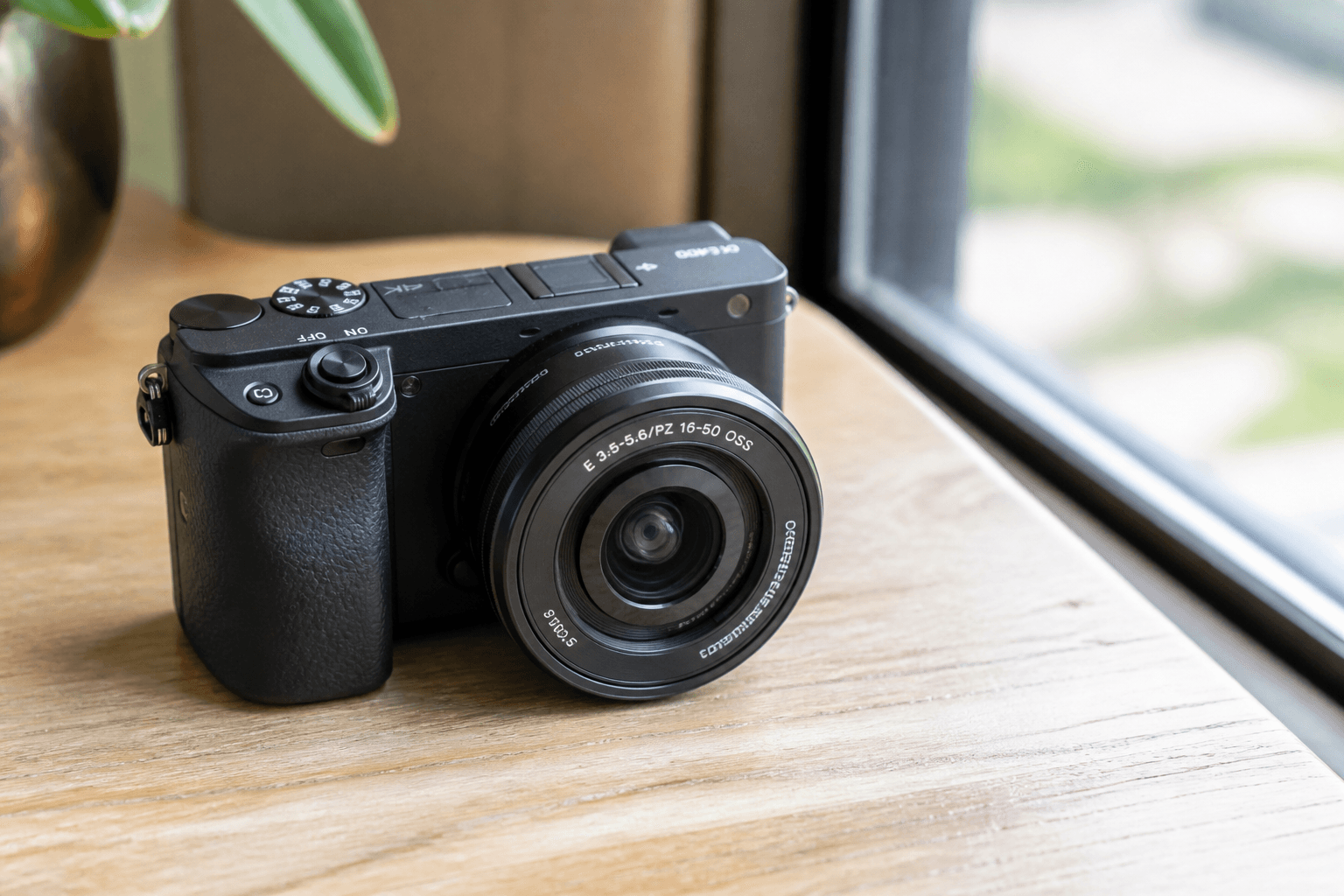
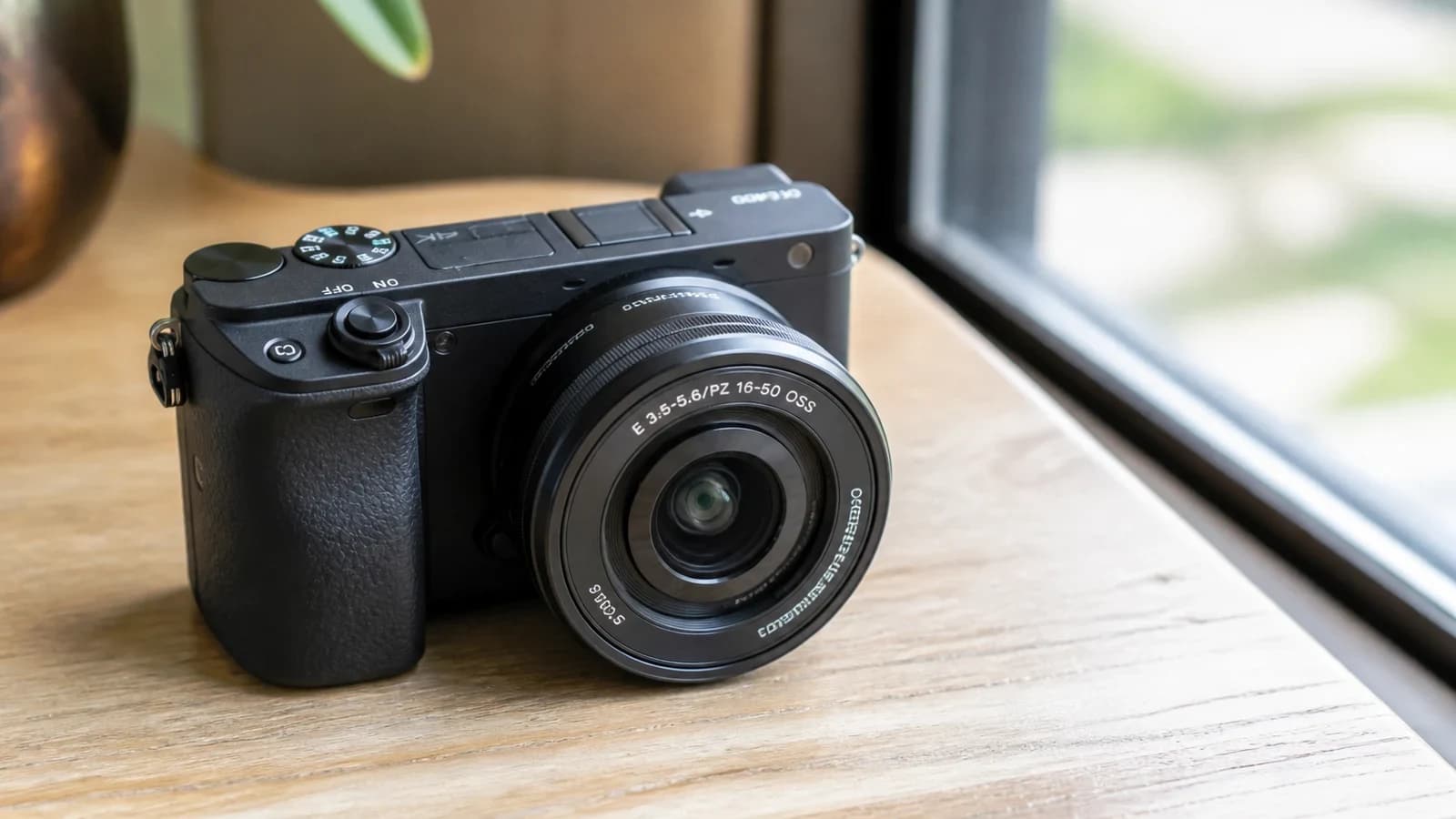
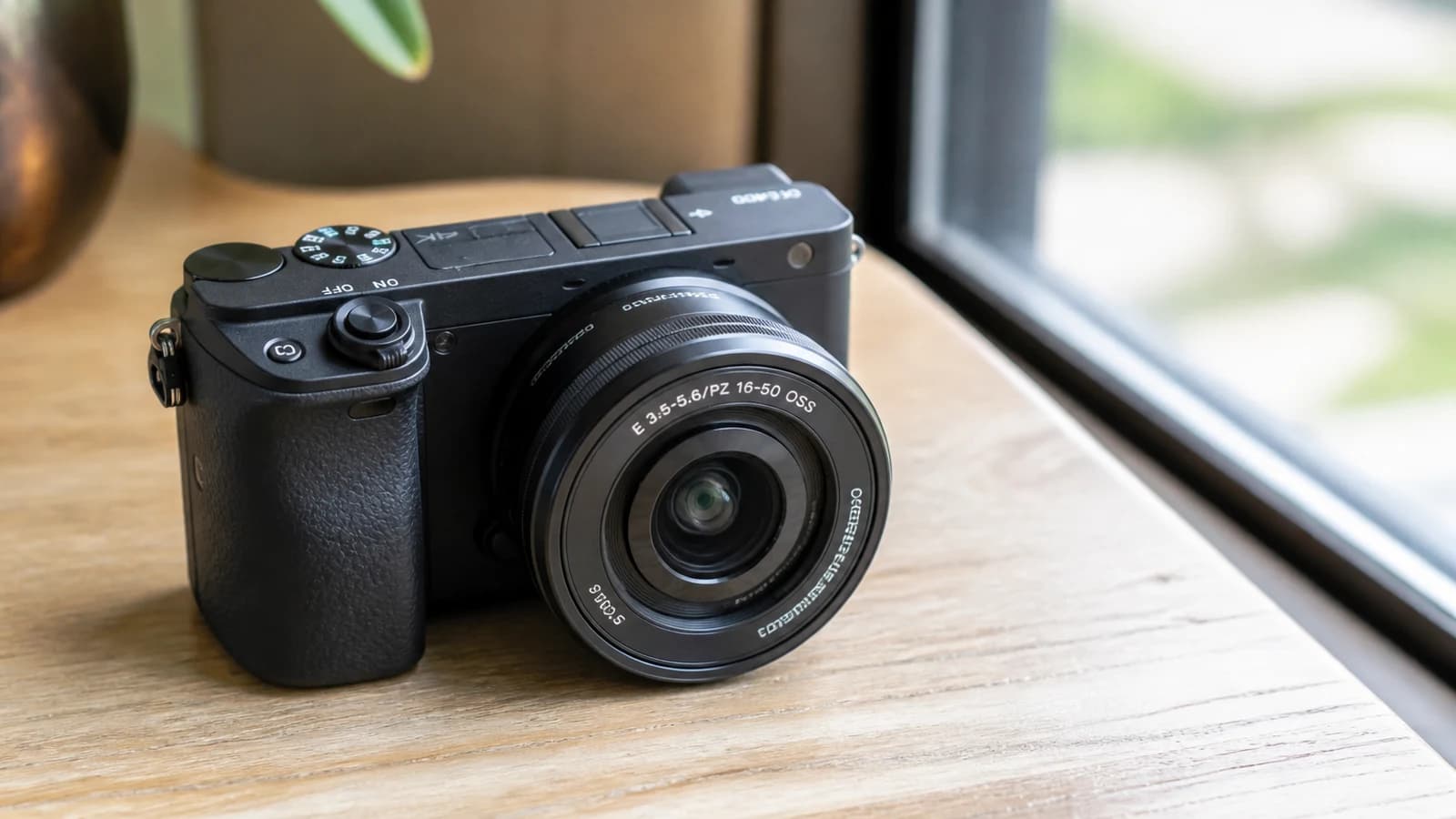
Sony A6400 with the small 16–50mm lens on a table
Martin Kleinheinz
Author
Martin Kleinheinz
Photographer · Content Creator · Hannover
Updated
November 1, 2026

The A6400 is a small camera with a viewfinder. You mostly photograph other people, a street, a table, not yourself at arm’s length. Which lens fits depends on whether you want one lens for the whole day, and whether that lens should cancel the shake. The camera will not.

The sensor is APS-C. Larger than a phone, smaller than full frame. Every lens looks tighter than the millimeters on the ring suggest, by about 1.5. 35mm feels like about 52mm on a large camera. A full-frame 50mm becomes something like 75mm here.

Whether the A6400 is still the right camera in 2026 is in the review. Battery, card and sound are written up separately: Sony A6400 accessories.

01
Short

Which lens I would put on the A6400 first

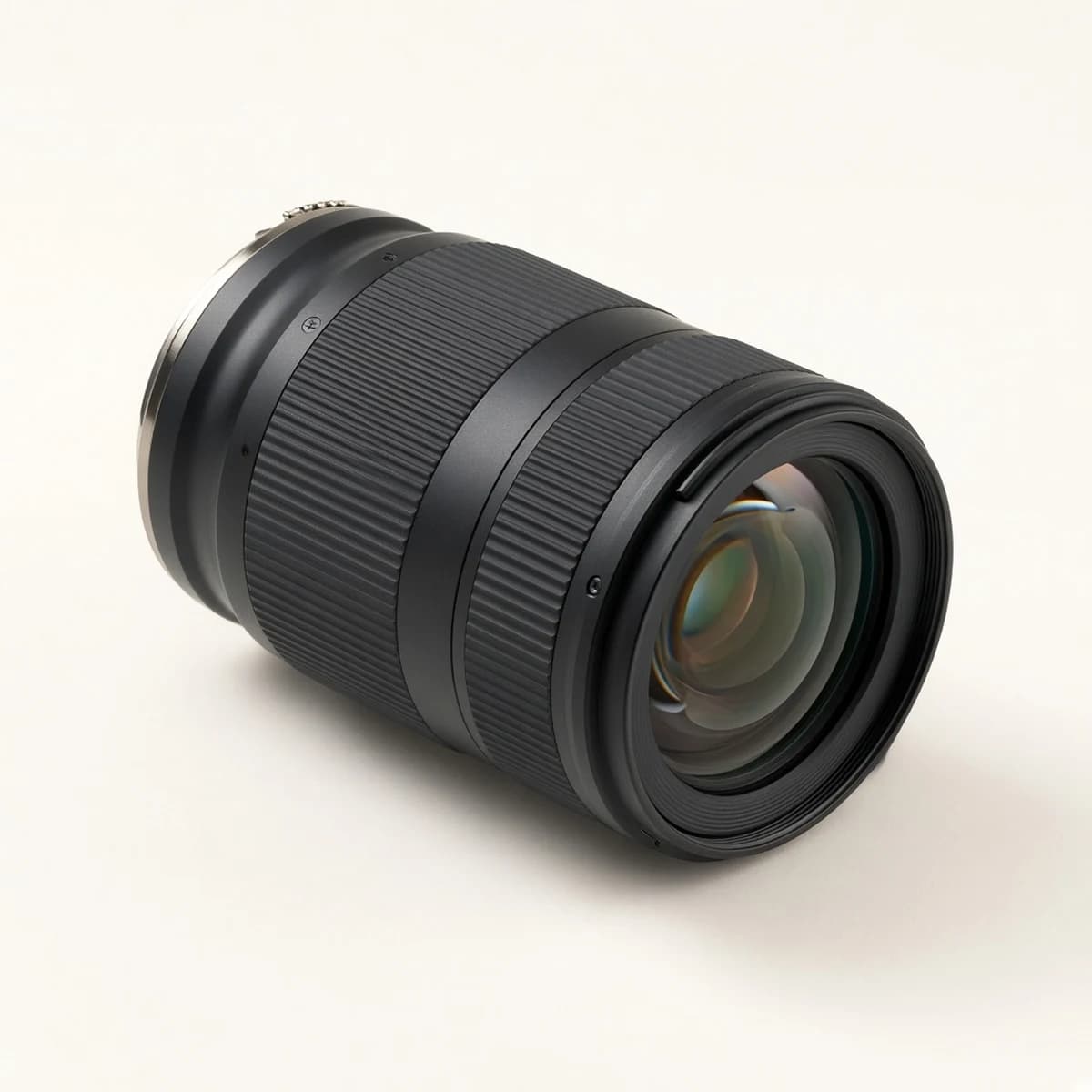
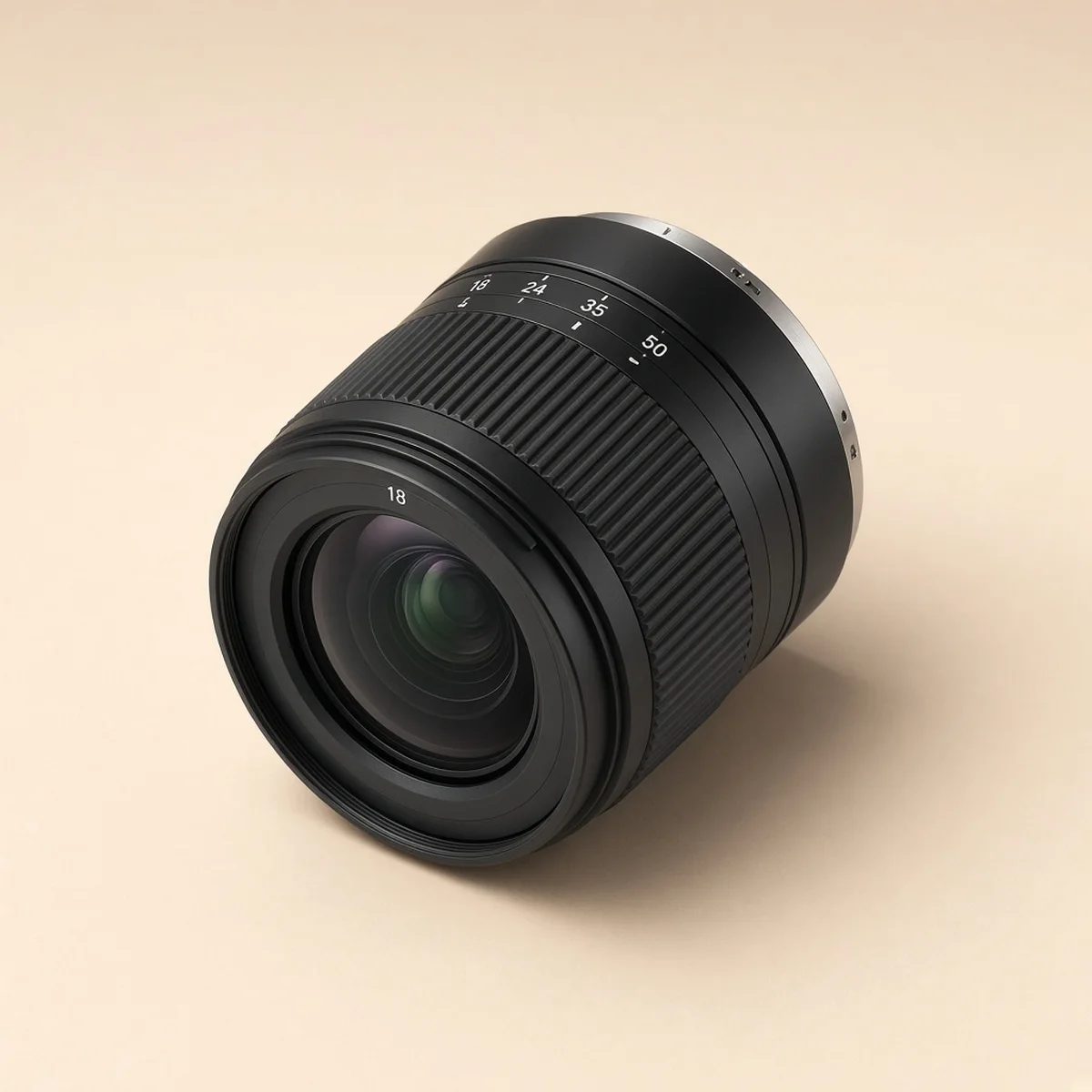
I would start with the Tamron 17–70mm f/2.8 when one lens should carry the day. The aperture stays at f/2.8 even at 70mm, and there is a stabilizer in the lens. Tamron calls it VC. The camera gets heavier at the front than the body itself. If that is too much, the Sigma 18–50mm f/2.8 sits better: clearly lighter, and without that stabilizer. In the evening you shorten the shutter speed instead of relying on the lens.

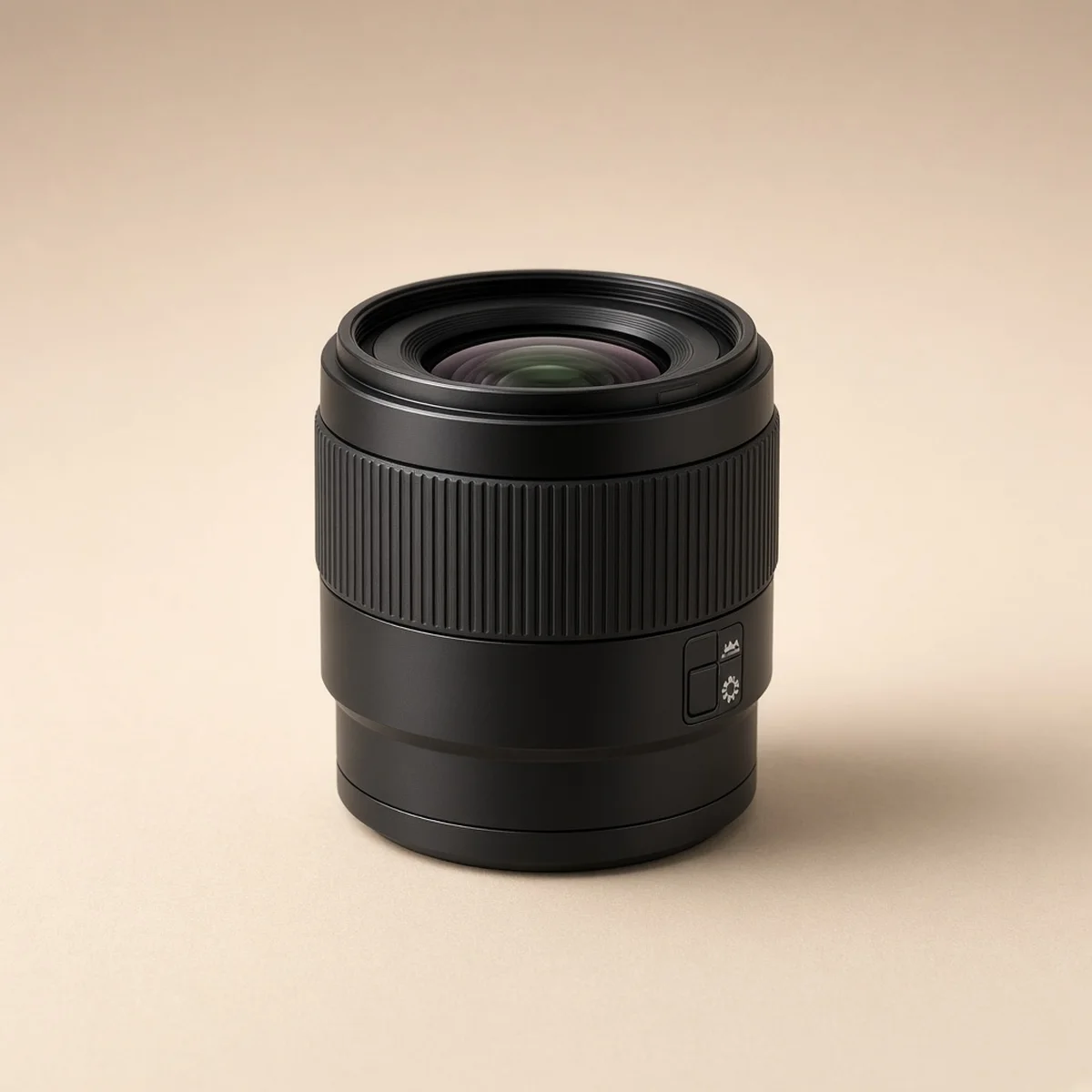
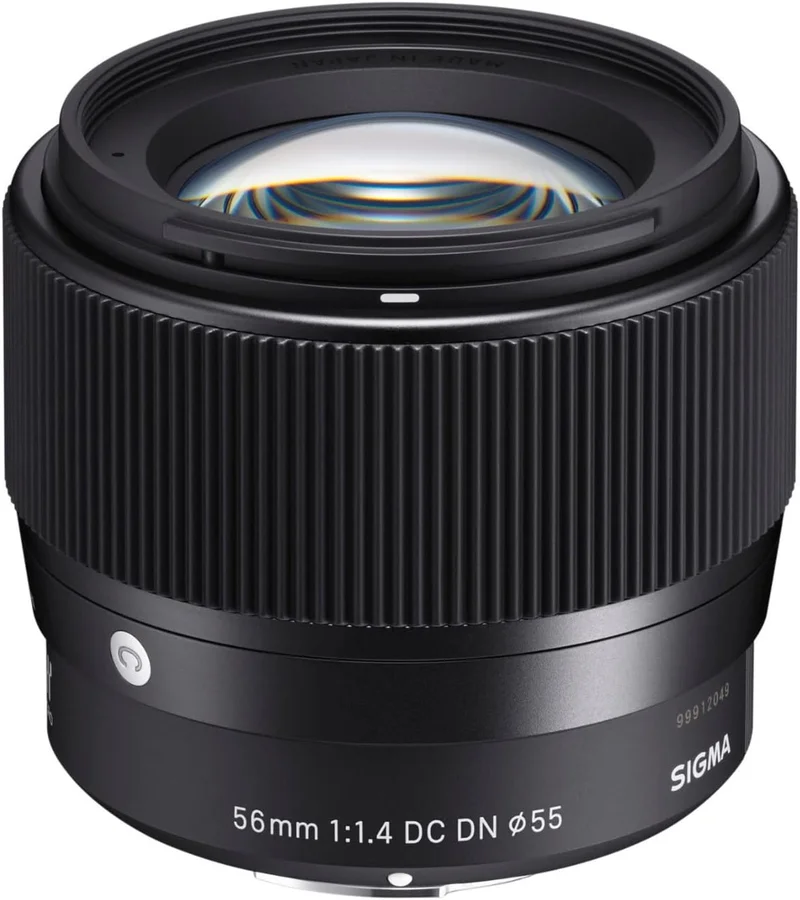
For faces at a normal distance I take the Sony E 35mm f/1.8. That is a prime: you do not zoom, you take a step. The stabilizer sits in the lens. Sony calls it OSS. I add the Sigma 56mm f/1.4 only once a portrait is its own appointment and you can step back a few paces.

Four lenses

17–70, 18–50, 35mm and 56mm for the A6400

The four cards are the shortlist, not a basket. For most days one of them is enough. What they cost today is on Amazon.

Vergleich
Tamron
Tamron 17–70mm f/2.8 VC
Sigma
Sigma 18–50mm f/2.8 DC DN
Sony
Sony E 35mm f/1.8 OSS
Sigma
Sigma 56mm f/1.4 DC DN
Bild
Tamron 17–70mm f/2.8 VC
Sigma 18–50mm f/2.8 DC DN
Sony E 35mm f/1.8 OSS
Sigma 56mm f/1.4 DC DN
EmpfehlungStart hereLighterWith OSSPortrait
Sensorabout 26–105mmabout 27–75mmabout 52mmabout 84mm
ISO-Bereichf/2.8 throughoutf/2.8 throughoutf/1.8f/1.4
Autofokusyes, in the lens (VC)noneyes, OSSnone
Detailabout 525 gabout 290 gabout 154 gabout 280 g
Stärken
  • +Steadies the shot, because the camera will not
  • +One range for the whole day, no swapping
  • +Stays as bright at 70mm as at 17mm
  • +Bright and light on the small body
  • +One lens for an ordinary day
  • +Fits the same bag as the camera
  • +Steadier in the hand than a zoom without stabilization
  • +Brighter than f/2.8 when the light goes
  • +Small enough that the A6400 stays a small camera
  • +Faces separate calmly from the background
  • +Very bright when the window is the only light
Schwächen
  • −Heavier than the camera itself
  • −Front-heavy on the small body
  • −No stabilizer, and the A6400 has none either
  • −You run out of reach earlier than with the Tamron
  • −No zoom. The frame comes from your feet
  • −Autofocus can be audible on video
  • −Needs room, or you crop the face
  • −No stabilizer
Geeignet fürWhen one lens should carry the day and you often shoot without a tripod.When you feel the weight and you handle shake with shutter speed.Everyday faces, when you want one small, steady lens.Portraits with space in the room, not as the only lens for the day.
Wo kaufen
02
What matters

What decides the lens on the A6400

The A6400 has an APS-C sensor. It is larger than a phone sensor and smaller than full frame. Whatever you mount looks tighter because of that. Multiply the millimeters on the lens by about 1.5 if you want to compare them with a full-frame focal length. 35mm here is not a wide angle. It is roughly a normal view.

What it does not have is a stabilizer in the body. Sony often labels the version in the lens OSS. Tamron calls theirs VC. Both mean the lens cancels small movements and the camera does not. You notice it in a flat in the evening, in a church, on a short handheld clip. With a dark kit zoom and without that help you need a shorter shutter speed or a higher sensitivity. That sensitivity is called ISO. Turn it up and the picture gets grainier.

The viewfinder changes the second question. On the ZV-E10 an 11mm lens is often the point, because you hold the camera at arm’s length and film yourself. On the A6400 you usually look through the viewfinder at other people, a street, a table. An extreme wide angle is the exception, not the first lens.

03
Which lens

Which lens fits the A6400

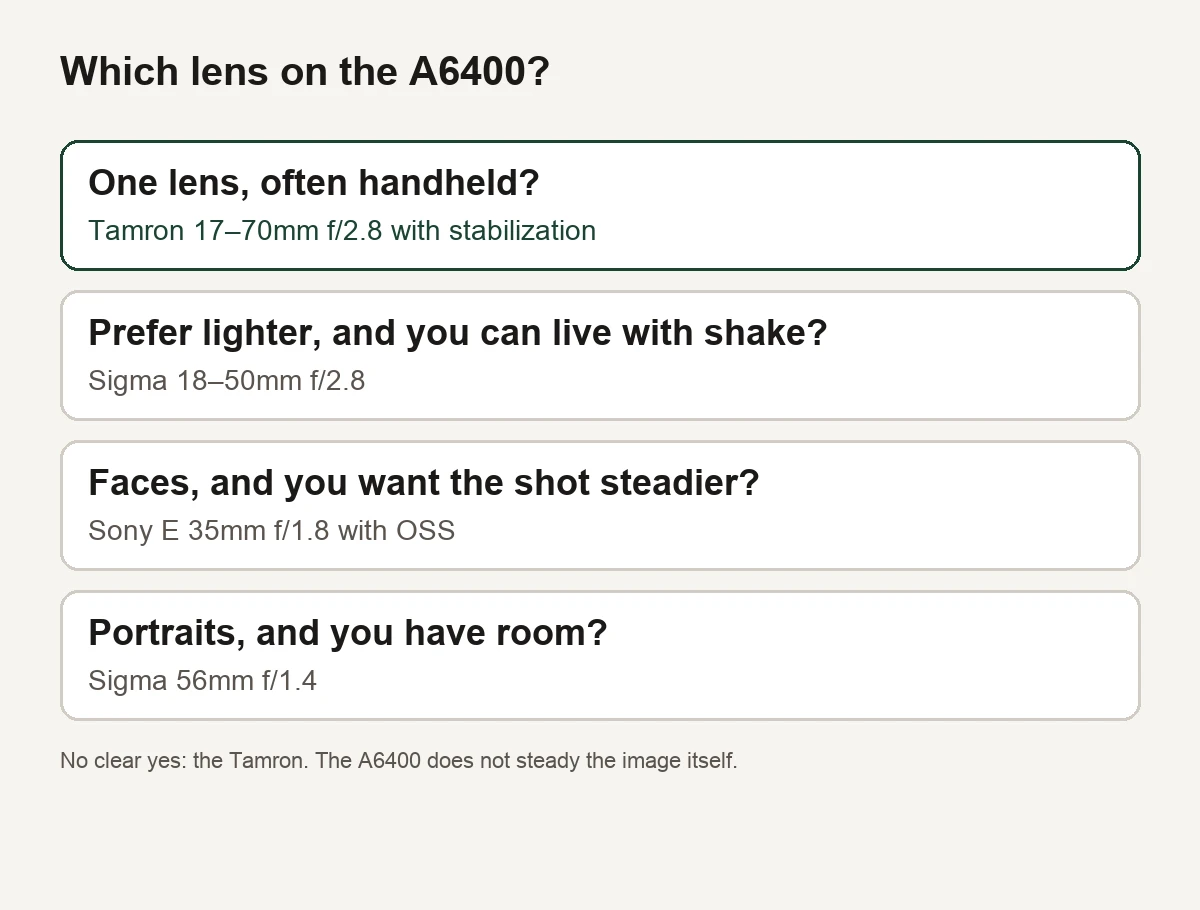
The green row is the usual case: one lens, often handheld. Below that it gets lighter, tighter, or it becomes a portrait lens. If none of the questions fits, stay with the Tamron, because the camera will not handle the shake for you.

Decision guide: Tamron 17–70, Sigma 18–50, Sony 35mm or Sigma 56mm on the Sony A6400
One question is enough. The green row is where I would start on most A6400 bodies.
04
Focal length

Focal length on the Sony A6400

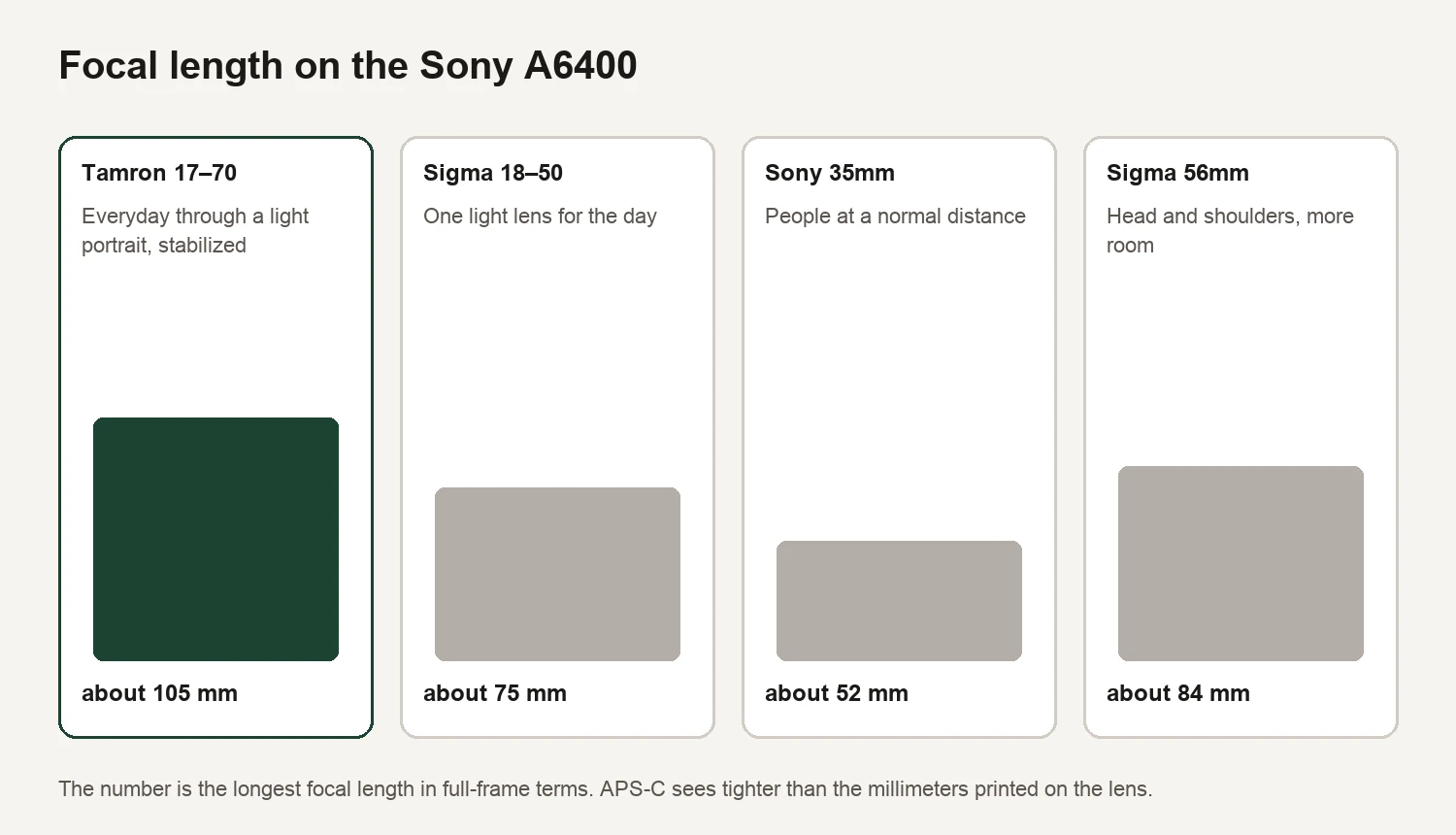
The number on the lens is not the angle of view you know from a full-frame camera. On the A6400 everything looks tighter. The bars show the longest focal length, converted. The Tamron gets closest to a portrait without a lens change. The 35mm stays at a normal distance. The 56mm wants room.

Focal-length comparison of the Tamron 17–70, Sigma 18–50, Sony 35mm and Sigma 56mm on the A6400
APS-C, factor about 1.5. 50mm on the zoom is already a short portrait here, not the “normal” 50mm from full frame.
05
The four

The best lenses for the A6400

Tamron 17–70mm f/2.8 with stabilization

This is the lens I would mount on an A6400 if only one may come along. The range covers the walk and the face at the table. The aperture stays at f/2.8 even when you go to 70mm. VC, the stabilizer in the lens, catches what the body cannot. What you pay for that is weight. About 525 g hangs on the front of a camera that is about 403 g with battery and card. It no longer fits a jacket pocket. In a small bag, next to a second battery, it is exactly the one lens that makes the camera make sense.

Start here
Tamron 17–70mm f/2.8 VC
Tamron

Tamron 17–70mm f/2.8 VC

One zoom that steadies the A6400 for you

The A6400 has no stabilizer in the body. This zoom has one in the lens. Tamron calls it VC. On the A6400, 17 to 70mm looks roughly like 26 to 105mm on a full-frame camera: street, table, people, a light portrait, without changing lenses. f/2.8 stays constant, so the long end does not suddenly go dark. It weighs about 525 g. The camera with battery and card is about 403 g. The lens is heavier than the body. If you bought the A6400 because it is light, you will feel that in the bag. The price is on the Amazon page.

Was überzeugt
  • +Steadies the shot, because the camera will not
  • +One range for the whole day, no swapping
  • +Stays as bright at 70mm as at 17mm
Was Du wissen solltest
  • −Heavier than the camera itself
  • −Front-heavy on the small body
Editor's Statement

“The one lens if you often shoot handheld”

Verfügbar bei

Sigma 18–50mm f/2.8, when it should stay light

The same idea, a shorter range, no stabilizer, clearly fewer grams. On the A6400 it looks about like 27 to 75mm. That is enough for a day in the city. In the evening you set the shutter to 1/80 of a second or shorter, instead of relying on a stabilizer. If you bought the A6400 because it is small and then hang on a zoom that is heavier than the camera, you talked yourself out of the lightness. Then the Sigma is the more honest lens.

Lighter
Sigma 18–50mm f/2.8 DC DN
Sigma

Sigma 18–50mm f/2.8 DC DN

The same brightness, much less weight

Aperture stays at f/2.8 here too. The range is shorter: on the A6400, about 27 to 75mm. That covers a city day, family, the normal round. There is no stabilizer. In the evening, or when you film handheld, you shorten the shutter speed or you get steadier. In return it weighs about 290 g and stays balanced on the small camera. If the Tamron feels top-heavy in the hand, this is often the more honest lens. The price is on the Amazon page.

Was überzeugt
  • +Bright and light on the small body
  • +One lens for an ordinary day
  • +Fits the same bag as the camera
Was Du wissen solltest
  • −No stabilizer, and the A6400 has none either
  • −You run out of reach earlier than with the Tamron
Editor's Statement

“When the camera should stay light”

Verfügbar bei

Sony E 35mm f/1.8 with OSS

A prime. You do not zoom, you move. On the A6400, 35mm is roughly the view many people experience as normal, about 52mm in full-frame terms. OSS sits in the lens. f/1.8 is visibly brighter than f/2.8 in the evening. Autofocus is an older generation and can whirr on video. For stills through the viewfinder that is rarely a reason to leave it at home. It is the lens when you do not want a zoom decision and faces are the most common job.

With OSS
Sony E 35mm f/1.8 OSS
Sony

Sony E 35mm f/1.8 OSS

A prime that steadies the shake itself

A prime does not zoom. You step forward or back. On the A6400, 35mm looks roughly like 52mm: the distance where faces stay natural. f/1.8 lets in more evening light than either zoom here. OSS means the stabilizer sits in the lens. That is exactly what the body lacks. Autofocus is an older generation and can be audible on video. For stills that rarely matters. The lens weighs about 154 g. The price is on the Amazon page.

Was überzeugt
  • +Steadier in the hand than a zoom without stabilization
  • +Brighter than f/2.8 when the light goes
  • +Small enough that the A6400 stays a small camera
Was Du wissen solltest
  • −No zoom. The frame comes from your feet
  • −Autofocus can be audible on video
Editor's Statement

“When you mostly photograph people”

Verfügbar bei

Sigma 56mm f/1.4 for portraits

About 84mm. You need a few steps of distance, or you crop the forehead or the nose looks too big. In return a face separates calmly from the background once you open the aperture. It has no stabilizer. For a portrait by the window, camera steady, person still, that does not matter. As the only lens for Saturday at the market, it is too tight.

Portrait
Sigma 56mm f/1.4 DC DN
Sigma

Sigma 56mm f/1.4 DC DN

For portraits, once you can step back

On the A6400, 56mm looks roughly like 84mm. That is the distance where a face separates softly from the background without the nose looking too big. f/1.4 leaves very little in focus. You have to hit focus. The A6400’s autofocus helps. There is no stabilizer. For a posed portrait by a window, a short shutter speed is enough. For walking and filming, this is the wrong lens. The price is on the Amazon page.

Was überzeugt
  • +Faces separate calmly from the background
  • +Very bright when the window is the only light
Was Du wissen solltest
  • −Needs room, or you crop the face
  • −No stabilizer
Editor's Statement

“The portrait after, not the first lens”
Verfügbar bei
06
Not first

Lenses I would not put on the A6400 first

The Sony E PZ 16–50mm is often already on a used camera. PZ means it zooms with a motor, not with your hand. It has OSS, it is small, and it goes dark at the long end, f/5.6. Keep it if it came along. Do not buy one extra if you are about to get one of the zooms above. It is the start, not the destination.

A Sony E 18–135mm OSS is the travel alternative when you want reach and can live with a darker aperture. The stabilizer is the reason then, not the blur. It does not replace the Tamron if you photograph people in the evening.

The Sony E 11mm f/1.8 is the ZV-E10 lens for an outstretched arm. On the A6400 you only need it if you film yourself. The screen flips up for that, straight into the accessory shoe. A microphone in the shoe then sits in the screen’s view. If you mostly talk in front of the lens, the ZV-E10 is often the more honest camera than a stills body whose viewfinder stays unused.

A Sony FE 50mm f/1.8 fits mechanically. FE means it was designed for a larger full-frame Sony. On the A6400 it acts like about 75mm and usually has no stabilizer. For portraits, the Sigma 56mm is the lens designed for this smaller sensor. Save the big full-frame lens for the day you actually switch. Until then you carry size the sensor does not use.

07
FAQ

Common questions about Sony A6400 lenses

Which lens for the Sony A6400 first?
If one lens should carry everyday shooting: the Tamron 17–70mm f/2.8, because it has a stabilizer and the A6400 does not, in the body. If that is too heavy: the Sigma 18–50mm f/2.8.
Does the A6400 need a stabilized lens?
Not strictly, but it is the biggest everyday difference. Without OSS or VC you shorten the shutter, use a tripod, or live with more grain. The camera does not cancel shake itself.
Tamron 17–70 or Sigma 18–50 on the A6400?
Tamron if you want reach and a stabilizer and you will carry the weight. Sigma if the camera should stay light and you handle shake with shutter speed.
Is the 16–50 kit lens enough on the A6400?
To start, yes, especially if it came with a used body. It is small and has OSS, but it goes dark at the long end. A brighter zoom or the 35mm makes the jump from a phone more obvious.
Do full-frame lenses fit the A6400?
Yes. Sony E and FE lenses fit mechanically. On APS-C you only see the tighter view, about a 1.5 factor. An FE 50mm acts like roughly 75mm. For the start, an APS-C lens is usually the lighter choice.
Shop buttons are affiliate links to Amazon (partner ID martinkleinhe-20). If you buy through them, I get a small commission. The price stays the same for you. No brand paid for this page. Today's price is on the Amazon page.
◆ Newsletter

Stay in the loop.

Camera and photography news, honest gear tests and new articles — in your inbox. Infrequent but relevant. No spam, unsubscribe anytime.

Keep reading

From the journal.

Fotograf, Martin Fernando Mera Kleinheinz · Franz-Bork-Straße 21, 30163 Hannover · 0179 4085297