
Which Focal Length for What? The Beginner's Guide

14 mm, 50 mm, 85 mm — what does it mean? Which focal length for portrait, landscape, architecture and travel? With overview tables, example photos from real jobs and a clear buying recommendation for your first lens.

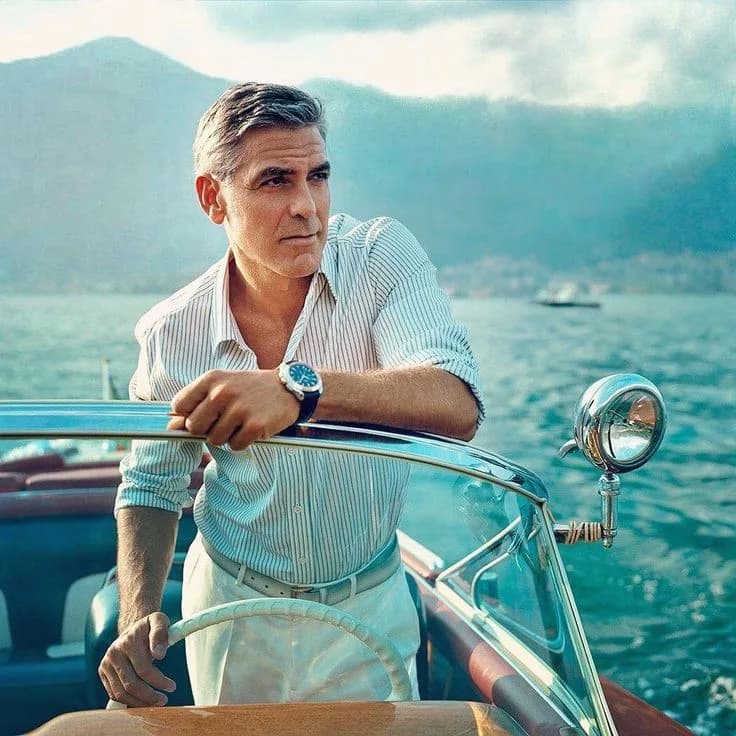
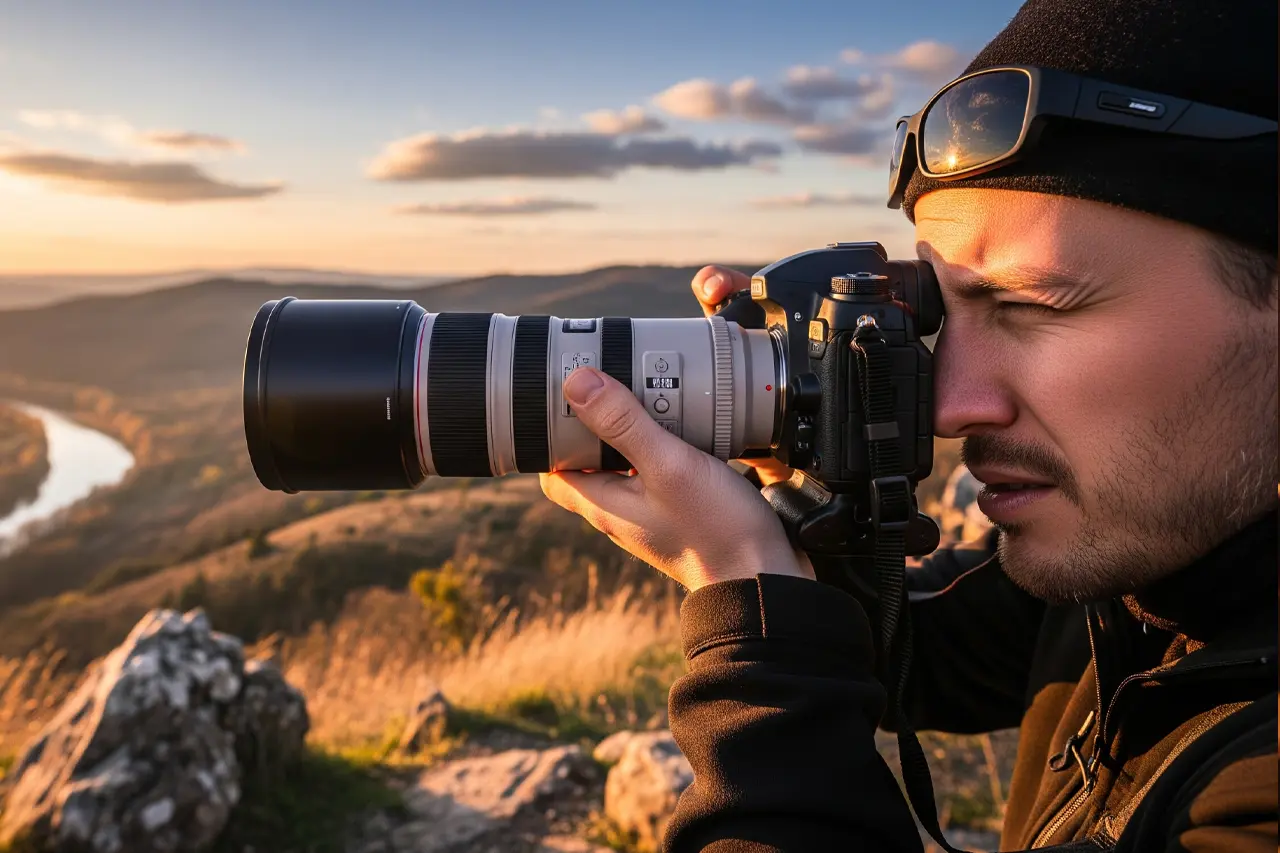
Which focal length for what — portrait with tele focal length outdoors
Martin Kleinheinz
Author
Martin Kleinheinz
Photographer · Hannover
Updated
June 21, 2026

You turn the zoom ring — 18 mm, 55 mm, something in between — and have no idea which setting fits which subject. Welcome to the club. Most beginners leave the lens on middle zoom and wonder why every image looks the same.

Focal length isn't magic. It describes how much your lens sees and how the subject appears in the frame. Short focal lengths (low mm) show a lot and distort at the edges. Long focal lengths (high mm) zoom in, isolate subjects and "compress" the background.

In this guide I explain focal lengths from scratch — with tables, example photos from my jobs and clear recommendations for your first lens. Related: Exposure Triangle, Take Better Photos and the Field of View Calculator.
00
Quick

Which focal length for which subject?

The fastest answer — as a cheat sheet to remember:

Focal length (full-frame eq.)NameIdeal forEffect
14–24 mmUltra wideArchitecture, interiors, dramatic landscapeLots in frame, edge distortion
24–35 mmWide angleTravel, street, reportage, groupsLots of context, dynamic
40–60 mmNormalEveryday, documentary, half-length portraitNatural perspective
70–135 mmShort telePortrait, detail, productFlattering, nice bokeh, isolated
200 mm+TelephotoSport, wildlife, concert, distant subjectsStrong zoom, compresses planes

Focal length overview for full frame — for APS-C see section 01

01
Basics

What does focal length in mm mean?

Focal length is given in millimetres (mm) — e.g. 50 mm. In simplified terms it describes the distance between lens and sensor: The smaller the number, the wider the angle of view. The larger the number, the stronger the zoom.

A 24 mm lens shows much more of the scene than a 200 mm lens — at the same distance to the subject. That's the framing. But focal length also changes perspective: wide angle stretches the foreground, telephoto compresses distances.

Crop factor — why your 50 mm looks different

Smaller sensor = narrower angle of view at the same focal length. A 50 mm lens on APS-C (Canon R10, Sony ZV-E10 II) looks roughly like 75–80 mm on full frame. On a smartphone the main camera is often ~24–28 mm full-frame equivalent.

LensFull frameAPS-C (×1.5)APS-C Canon (×1.6)
16 mm16 mm wide~24 mm~26 mm
24 mm24 mm wide~36 mm~38 mm
35 mm35 mm reportage~52 mm~56 mm
50 mm50 mm normal~75 mm~80 mm
85 mm85 mm portrait~128 mm~136 mm

Same lens focal length, different angle of view by sensor

02
Wide angle

Wide angle 14–35 mm — lots in the frame

Wide-angle lenses capture a lot — ideal when you want context: the whole church, the street with people, the landscape with foreground. They enlarge the foreground and make the background look smaller. That can be dramatic — or distorting if you get too close to faces.

Focal lengthSubjectTip
14–16 mmExterior architecture, night sky, interiorsKeep horizon level — distortion otherwise distracting
20–24 mmLandscape with foreground, travel, hotel roomLeave some margin — strongest distortion at edges
28–35 mmStreet, reportage, environmental portraitClassic reportage look — my entry into street

Wide angle by subject — full-frame equivalent values

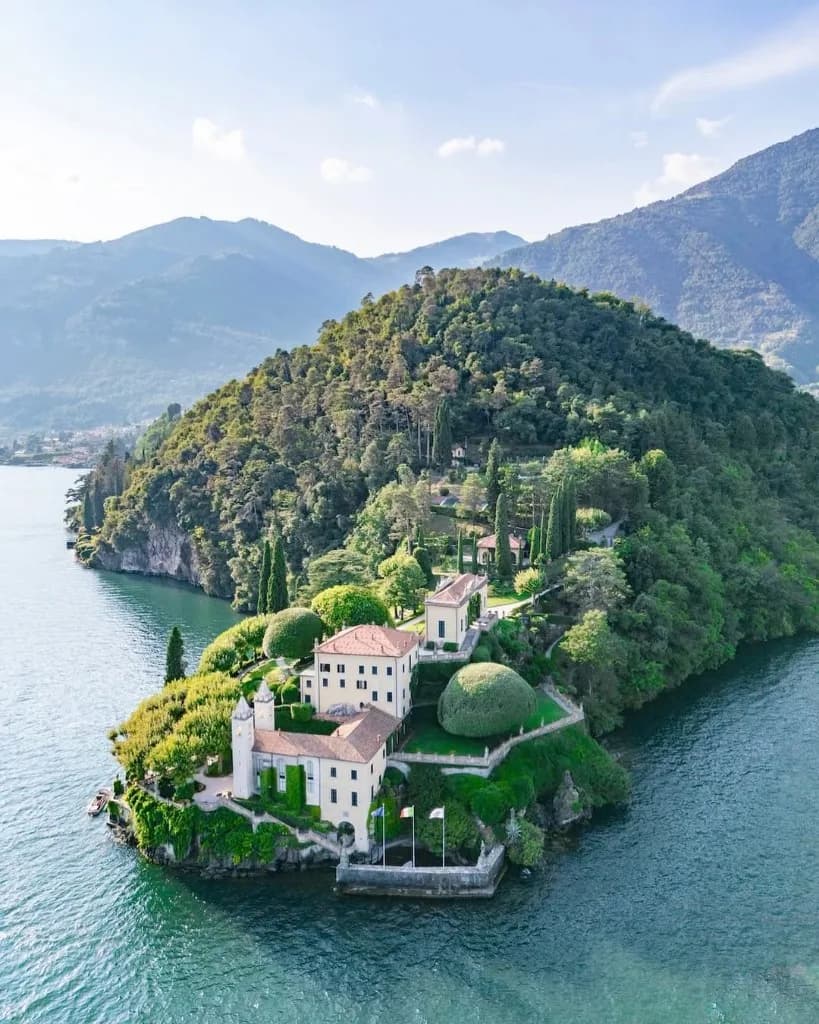
Wide-angle shot of a terrace at Lake Como — lots of landscape in frame
Approx. 24–35 mm (full-frame eq.): landscape with foreground — wide angle shows space and depth.
Architecture interior with wide angle — real estate photography
Approx. 16–24 mm: interiors and architecture — wide angle makes tight rooms shootable.
Street photography in Milan with wide-angle focal length
Approx. 28–35 mm: street and reportage — enough context to tell the scene.
03
Normal

Normal focal length 40–60 mm — seeing naturally

The 50 mm focal length is considered the "normal lens" — it roughly matches human vision on full frame. Neither distortion nor strong compression. That's why a 50 mm prime (f/1.8) is the classic second purchase after the kit — cheap, fast, versatile.

Focal lengthSubjectCharacter
40 mmDocumentary, half portraits, everydaySlightly wider than normal — good in tight spaces
50 mmUniversal, still life, half-length portrait"Honest" perspective — Henri Cartier-Bresson's favourite focal length
60 mmHalf-length portrait, productFirst slight tele look, still everyday usable

Normal focal lengths — the underrated middle ground

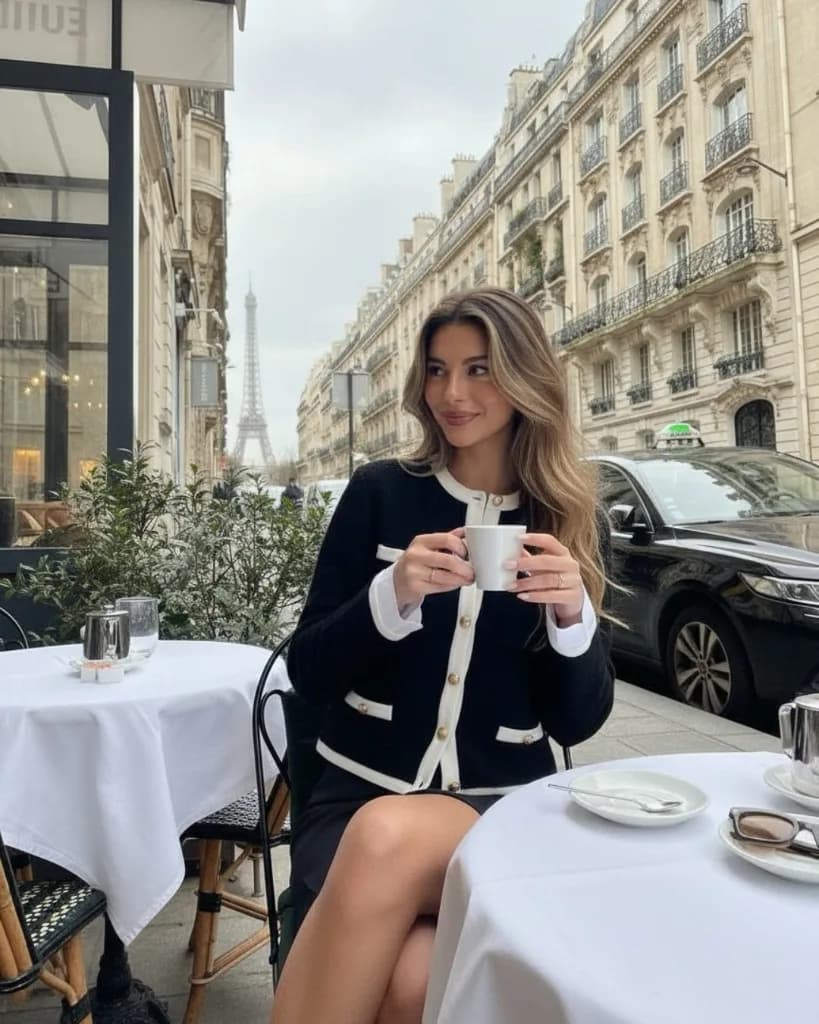
Café scene with normal focal length — natural perspective
Approx. 50 mm: everyday scenes look natural — neither stretched nor compressed.
04
Portrait

Portrait focal lengths 70–135 mm — flattering isolation

Portraits live on depth of field and perspective. Short focal lengths distort faces. Long focal lengths compress features flatteringly and separate subject from background (bokeh). That's why pros shoot headshots mostly with 85 mm or 105 mm.

Focal lengthDistance to subjectUseBokeh
70 mm2–3 mHalf figures, small groupsModerate
85 mm2.5–4 mClassic headshot, business portraitVery nice — the standard
105 mm3–5 mTighter headshots, beautyStrongly isolated
135 mm4–6 mEditorial, outdoor portrait with distanceVery strongly compressed

Portrait focal lengths — full frame, open aperture (f/1.8–f/2.8)

Business portrait at approx. 85 mm focal length with soft bokeh
Approx. 85 mm, f/2.8: classic business portrait — face proportioned, background soft.
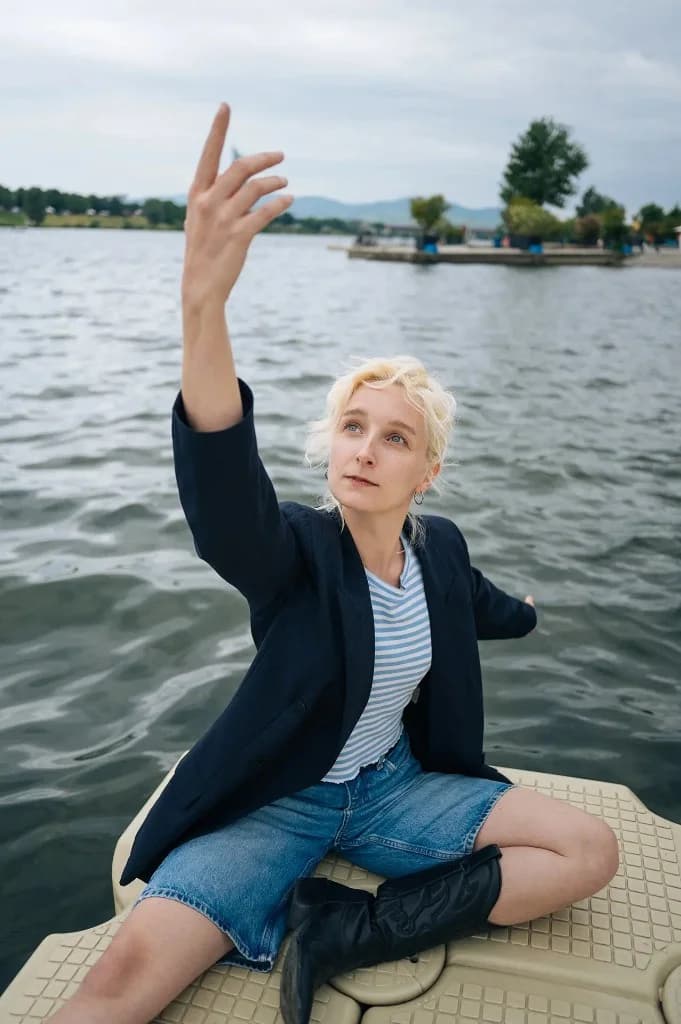
Editorial portrait at the lake with tele focal length
Approx. 85–105 mm: editorial portrait — subject isolated, visual flow through bokeh.
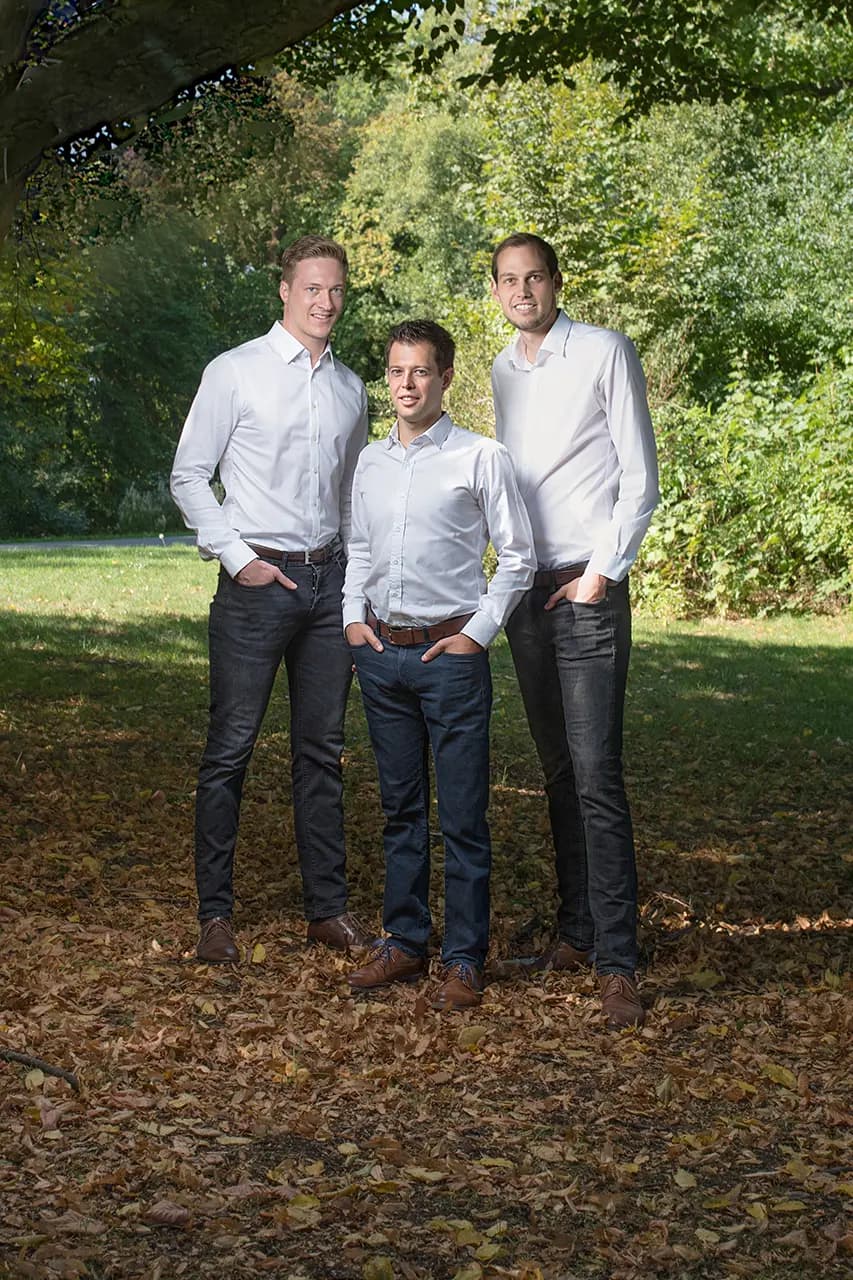
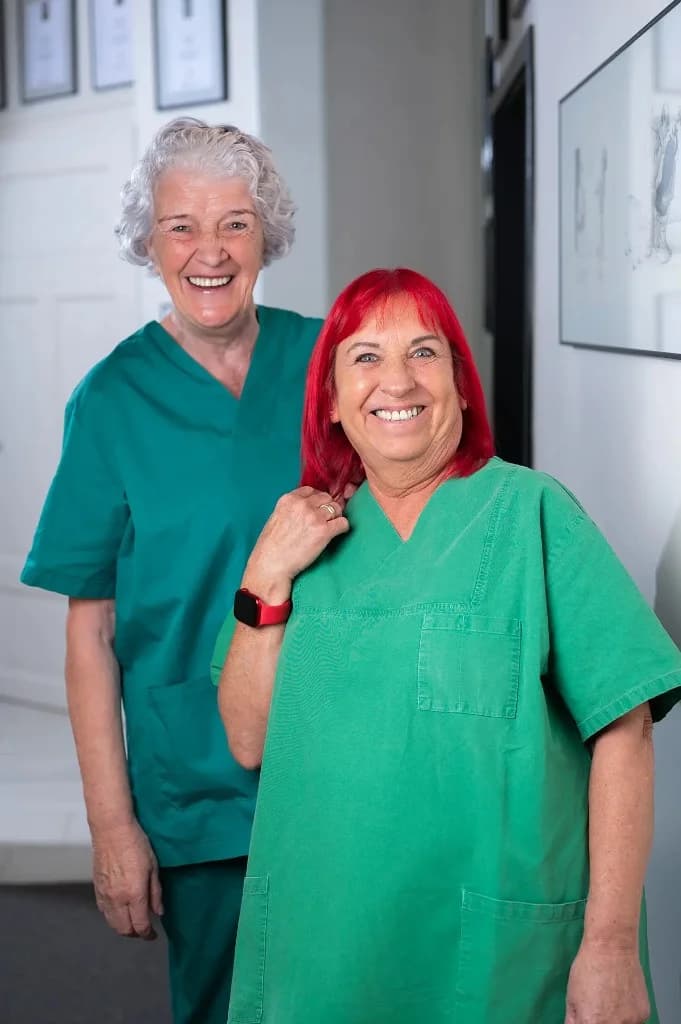
Employee photo with portrait focal length in office
Approx. 70–85 mm: employee and team photos — flattering perspective for groups and individual portraits.

On APS-C a 50 mm lens looks like ~75 mm — perfect for portraits. A native 85 mm on APS-C is very tele — better outdoors with distance. More on depth of field: Depth of Field Calculator.

05
Telephoto

Telephoto 200 mm+ — zoom in and isolate

Telephoto lenses bring distant subjects close — and compress depth: background appears optically closer to the subject, planes look stacked. Ideal for sport, concerts, wildlife and details you can't reach physically.

Focal lengthSubjectChallenge
70–200 mmEvents, sport, wedding from distanceHeavy, needs fast shutter — see Exposure Triangle
100–400 mmWildlife, birds, sport in large hallTripod or very high ISO, expensive
400 mm+Pro sport, safariSpecialty — after fundamentals

Telephoto focal lengths — when closeness isn't an option

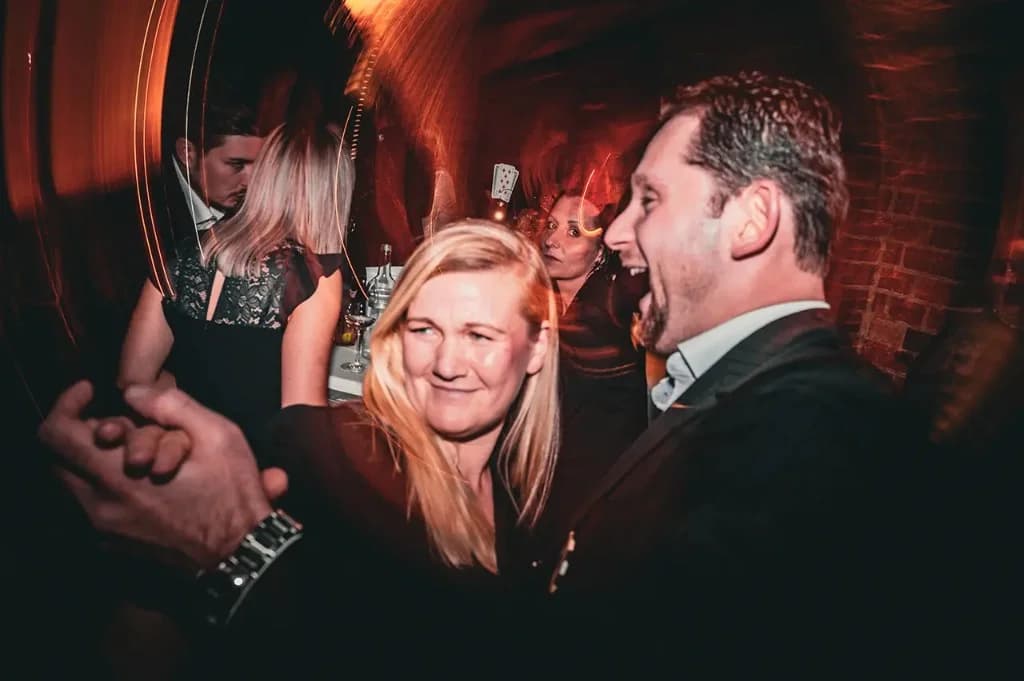
Event photography with tele focal length — moment caught from distance
Approx. 70–135 mm: event and reportage — catch the decisive moment from the background.
Outdoor portrait with longer focal length and bokeh
Approx. 85–135 mm: outdoor portrait — tele separates subject from background even without extremely open aperture.
06
Kit

Understanding kit lenses

Your first system camera usually comes with a kit lens — a zoom covering a range. Typical names and what they mean:

Kit lensFocal length rangeCoversWeakness
18–55 mm (APS-C)Wide to short teleFamily, holiday, everydayNot very fast (f/3.5–5.6), moderate bokeh
16–50 mm (APS-C)Similar, slightly widerTravel, streetSame speed issues
24–70 mm (full frame)Wide to portraitPro standard, reportageHeavier, pricier — but versatile
24–105 mmMaximum flexibilityTravel without lens changesCompromise on speed and sharpness
70–200 mmTele zoomEvent, sport, outdoor portraitLarge, heavy — upgrade not kit

Typical zoom lenses and their uses

The numbers on the zoom ring are your compass: 18 mm for the whole scene, 55 mm for half-length, in between for everything. The kit lasts months — before you buy specialised lenses you should know which focal length you actually use. Tip: check in Lightroom metadata which mm appears most often.

07
Smartphone

Smartphone focal lengths compared

Smartphone lensTypically equivalent toUse
Ultra wide (~13 mm)~16–20 mm full frameGroups, architecture, interiors
Main camera (~24 mm)~24–28 mm full frameEveryday, landscape, most photos
Tele (~77 mm)~70–85 mm full framePortrait mode, some distance to subject
Periscope tele (~120 mm+)~100–135 mmZoom without quality loss — premium phones

Smartphone lenses translated into camera language

Portrait mode simulates 85 mm bokeh in software — often works well but isn't the same as a real 85 mm f/1.8 lens. A camera pays off when you want to choose focal lengths consciously. Entry: Camera for Beginners.

08
Buying

Which first extra lens?

The kit is enough. Really. Only when you notice what's missing do you buy with purpose. Here are the most common next steps:

You mainly shoot …First upgradeTypical focal lengthPrice guide
Portraits, people50 mm f/1.8 or 85 mm f/1.850 or 85 mm€150–600
Kids indoors, low light35 mm f/1.8 or 50 mm f/1.835–50 mm€150–400
Travel, landscapeKit is enough — or 16–35 mm zoom16–35 mm€400–1,500
Sport, events70–200 mm f/2.8 or f/470–200 mm€800–2,500
Everything, one lens24–70 mm f/2.8 (full frame) / f/2.8 APS-C zoom24–70 mm€600–2,000

First lens by subject — after the kit lens

09
Training

3 exercises for beginners

Exercise 1: Same subject, three focal lengths
Stand before a subject (statue, tree, person with consent). Shoot at 24 mm, 50 mm and 85 mm (zoom or three positions). Compare perspective and background.
Exercise 2: Focal length diary
One week: note the mm value for every photo. Sunday: which focal length do you use most? That shows your next lens.
Exercise 3: Prime challenge
One day with only 35 mm or only 50 mm — physically fix the zoom or use a prime. You'll get more creative with position and composition (Golden Ratio).
10
FAQ

Frequently asked questions

Which focal length for portraits?
85 mm on full frame — or 50 mm on APS-C (similar look). Headshots: 85–105 mm. Half figures: 50–70 mm. Not under 35 mm for faces up close.
Which focal length for landscape?
24–35 mm for classic landscape with foreground. 16–24 mm for dramatic wide angle. Single mountains or details: 70–200 mm from farther away.
What's better — zoom or prime?
Zoom = flexible, ideal for learning and travel. Prime = often faster, sharper, cheaper — and forces more conscious composition. First purchase after kit: 50 mm f/1.8.
Is the 18–55 mm kit lens enough?
Yes, for months. It covers wide angle to short tele — enough for family, holiday and learning. Only buy when you feel a concrete gap (e.g. not enough light, not enough bokeh).
How do I find the focal length on my camera?
In EXIF data after shooting (display → info), in Lightroom under metadata or with our EXIF Viewer. When zooming the viewfinder or display often shows the current mm value.
Transparency notice: This article contains affiliate links. If you buy through them I earn a small commission at no extra cost to you. Editorial content is unaffected.
Newsletter

Stay in the loop.

Camera and photography news, honest gear tests and new articles — in your inbox. Infrequent but relevant. No spam, unsubscribe anytime.

Keep reading

From the journal.

Fotograf, Martin Fernando Mera Kleinheinz · Franz-Bork-Straße 21, 30163 Hannover · 0179 4085297