Camera for Travel: carry it small instead of a 70–200

A Nikon Z with a 28mm, a Sony RX100 VII, or a Fujifilm X100VI. What stays on your body all day beats the zoom that stays in the hotel.

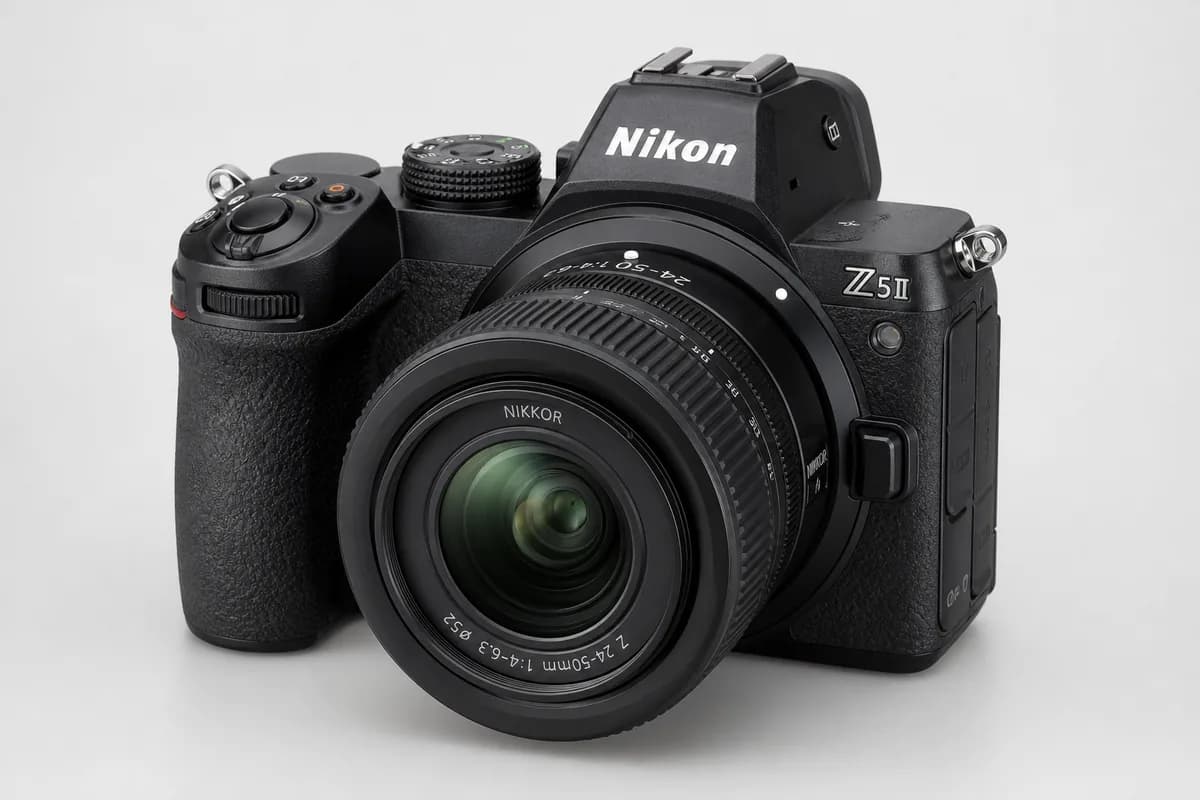
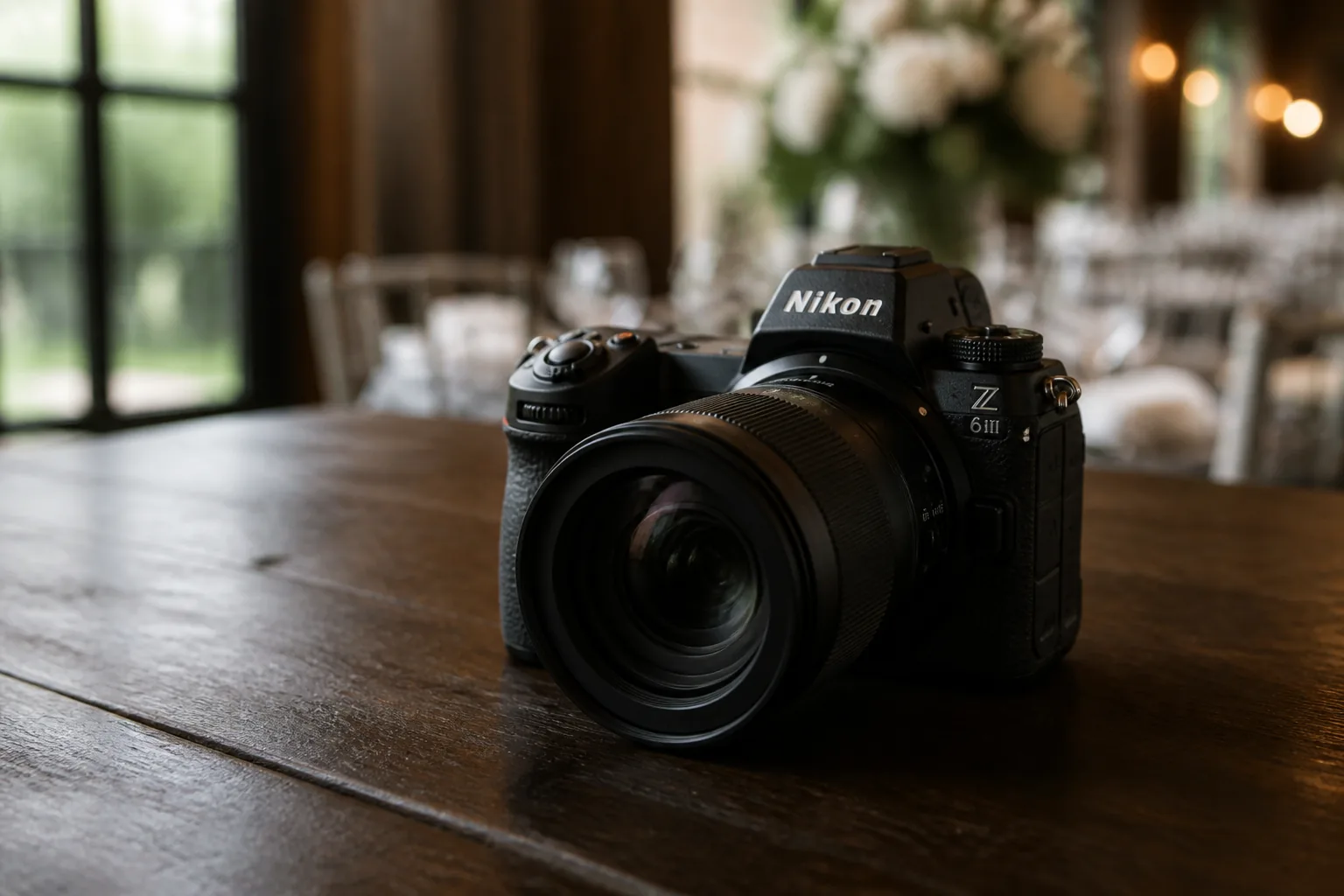
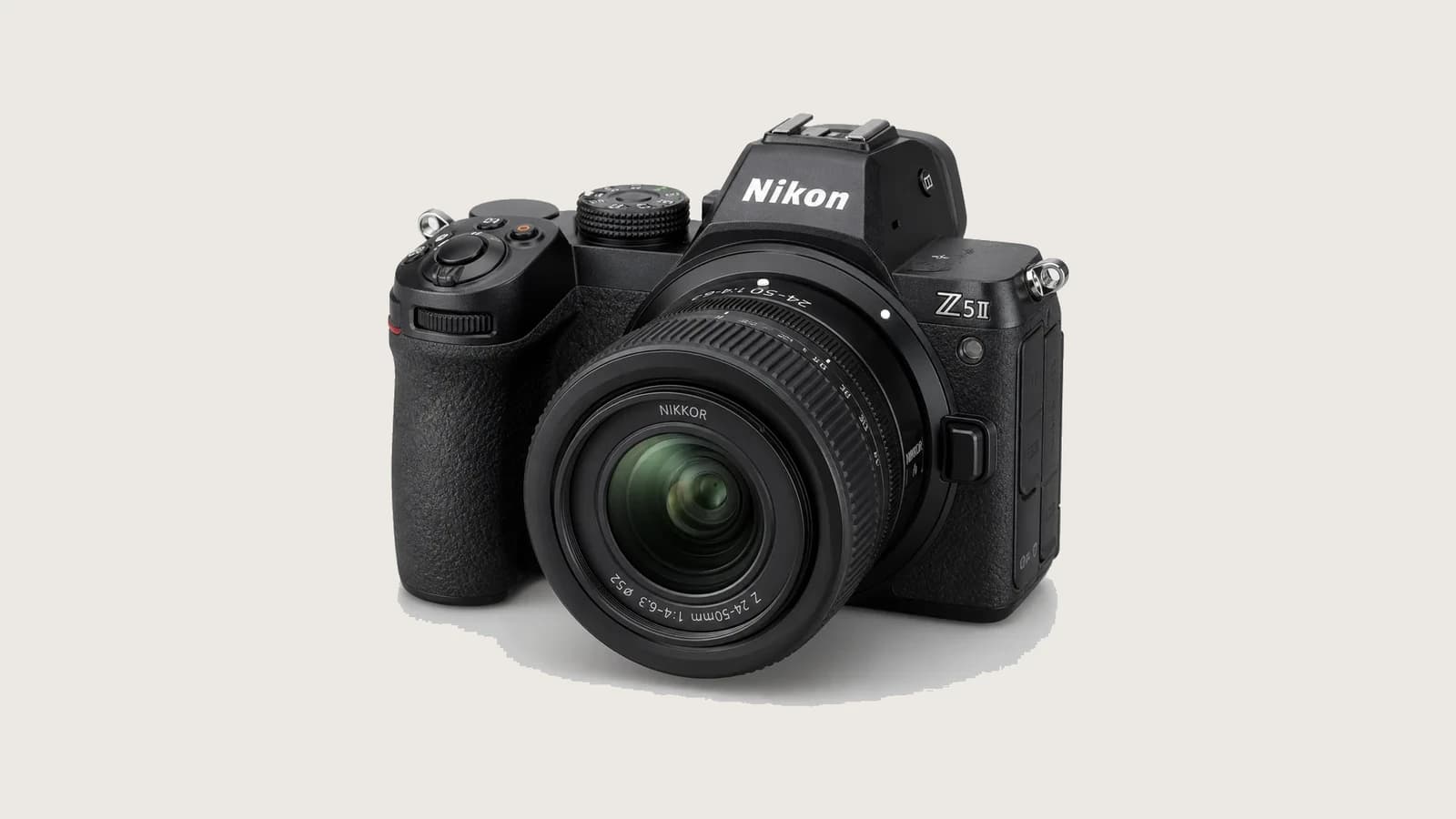
Nikon Z5 II with the kit zoom. For the trip, the 28mm goes on instead
Martin Kleinheinz
Author
Martin Kleinheinz
Photographer · Hannover
Updated
November 1, 2026

A camera for travel is the one that leaves the hotel in the morning and is still on you in the evening. Not the one with the best spec sheet, and not the one that needs a second strap and an extra pocket. On trips I mostly shoot a Nikon Z6 II. The 28mm is on. The 50mm f/1.8 sits beside it in the bag. I can walk a day like that without my shoulder deciding to leave the camera in the room.

If you are buying new, the Nikon Z5 II is the camera I would build the same idea with: full frame, stabilisation in the body, two cards, and then the small 28mm instead of a zoom. If you do not want to swap anything, take the Fujifilm X100VI. If you sometimes have to pull in something far away, take the Sony RX100 VII and leave the 70–200 at home. That is the honest substitute, not the guilty zoom in the backpack.

The bag for this set is a small sling across the chest, not a wall of camera backpack. Which one is in small camera bag. If you are still on a first travel camera at a smaller budget, three other models are in best travel camera. This text is the step where carrying decides. If you are waiting for a better price: Black Friday camera deals.

00
Short

Which camera for travel?

I would buy the Z5 II today and put the short 28mm on it. The body weighs about 700 grams, and the lens is short enough that the camera stays a camera and does not become a tube. The 50mm f/1.8 sits beside it, for a face or for the evening. That is how I walk the day with the older Z6 II. The Z5 II is simply the body I would rebuild the same idea with in 2026, without paying extra for a lot of video.

Two other trips make just as much sense to me. The RX100 VII, when you sometimes have to pull in something far away and otherwise want nothing on your body. About 300 grams, the zoom is already in it. The X100VI, when you can live the whole holiday on one focal length and do not want anything beside it. Viewfinder, steadiness in the body, about 520 grams. The photo above shows a Z5 II with the zoom from the box. That is not the lens I would put on for the trip. Off with it, 28mm on.

Buy

Z5 II, RX100 VII and X100VI

The Z5 II together with the 28mm, when the bag should stay small and you still want the large sensor. The RX100 VII, when the built-in zoom should replace a heavy 70–200. The X100VI, when one camera and one focal length are the whole trip. The two Nikon lenses sit under the drawing. What they cost today is in the shop.

Vergleich
Nikon
Nikon Z5 II (body)
Sony
Sony RX100 VII
Fujifilm
Fujifilm X100VI
Bild
Nikon Z5 II (body)
Sony RX100 VII
Fujifilm X100VI
EmpfehlungTravel kitPocket zoomOne lens
SensorFull frame, about 24 MPabout 300 gabout 520 g
ISO-Bereichin the bodybuilt-in zoomfixed
Autofokustwosmaller than full framein the body
Detailabout 700 g
Stärken
  • +Small once the 28mm is on
  • +Two cards
  • +The 50mm can sit beside it
  • +Actually comes with you
  • +Reaches what is far away
  • +Nothing to swap
  • +Viewfinder and stabilisation
Schwächen
  • −A long zoom cancels the point
  • −No dedicated long review yet
  • −The small sensor shows in the evening
  • −No 50mm for the evening, no zoom for a stage
Geeignet fürTravel days with a short lens on and one prime beside it.Trips where you sometimes need reach and otherwise want to feel nothing.A whole trip on one focal length.
Wo kaufen
01
Weight

Why a 70–200 rarely wins on a trip

A bright 70–200 is a tool for things you cannot walk up to. A stage, sport, an animal that stays away. It often weighs between one and one and a half kilos, and it is long enough that the bag has to be built around it. On a trip you carry that weight from breakfast to the last bus. Most pictures you make along the way are closer than 70mm: the street, the table, the person next to you, the facade you are standing in front of.

The zoom then stays in the pocket, because getting it out costs the moment and your shoulder is already busy. You hauled it so you would have it, and you end up shooting with the short lens that was on anyway. That is not a character flaw. That is physics and a full day. If you know you need something far away, a small camera with a zoom is the lighter answer. If you do not know, leave the 70–200 at home. The pictures you miss because the big camera is in the room are the expensive ones.

02
Lenses

28mm and 50mm on the travel camera

28mm on full frame is wide without being a fisheye. You see the square and the person in it. You do not have to cross the street to get a house in the frame. For a single face it is often too wide. Then the 50mm comes out. It is tighter, the f/1.8 opens further, the background goes softer, and more is left in the evening. Two primes, no ring to turn. You decide with your feet and with a swap that, in a small bag, is one movement of the hand.

Nikon's 28mm f/2.8 is short. The camera stays a camera and does not become a tube. The 50mm f/1.8 S is bigger, but it is still a prime and it lies next to the body, not in its own backpack pocket. On the Z6 II that is my normal set. On the Z5 II you build the same thing. If you film a lot and want the newer hybrid body, read the Nikon Z6 III review. For photos on a trip you often do not need the extra money.

On the body
Nikon Z 28mm f/2.8
Nikon

Nikon Z 28mm f/2.8

The short lens that keeps the camera a camera

A prime, not a zoom. 28mm on full frame shows the street, the square and the room without you stepping across the road. The lens is short. On a Z6 II or Z5 II the camera stays a camera. The picture is a symbol, not a manufacturer photo.

Was überzeugt
  • +Short enough for a small bag
  • +Wide without being a fisheye
Was Du wissen solltest
  • −Often too wide for a single face
Editor's Statement

“On the camera while you walk”

Verfügbar bei
Beside it
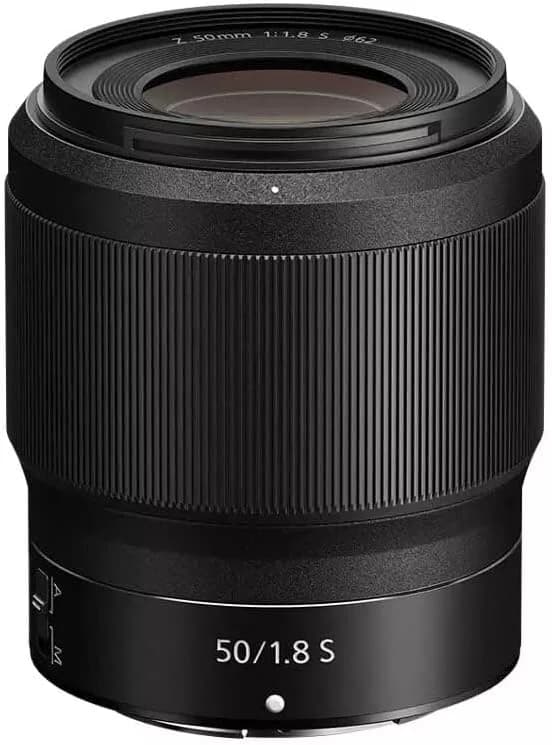
Nikon Z 50mm f/1.8 S
Nikon

Nikon Z 50mm f/1.8 S

The lens that comes out when the street becomes a face

50mm is tighter than 28mm. A person, a detail, dinner. The aperture opens wide, the background goes softer, and in low light you have more room than with the 28mm. It is not a pancake, but it stays a prime. On my Z6 II it sits beside the camera, not in a second backpack pocket.

Was überzeugt
  • +Softer background
  • +More light in the evening
Was Du wissen solltest
  • −Bigger than the 28mm
Editor's Statement

“Beside the camera, not on it all day”

Verfügbar bei
03
Path

Which travel camera fits

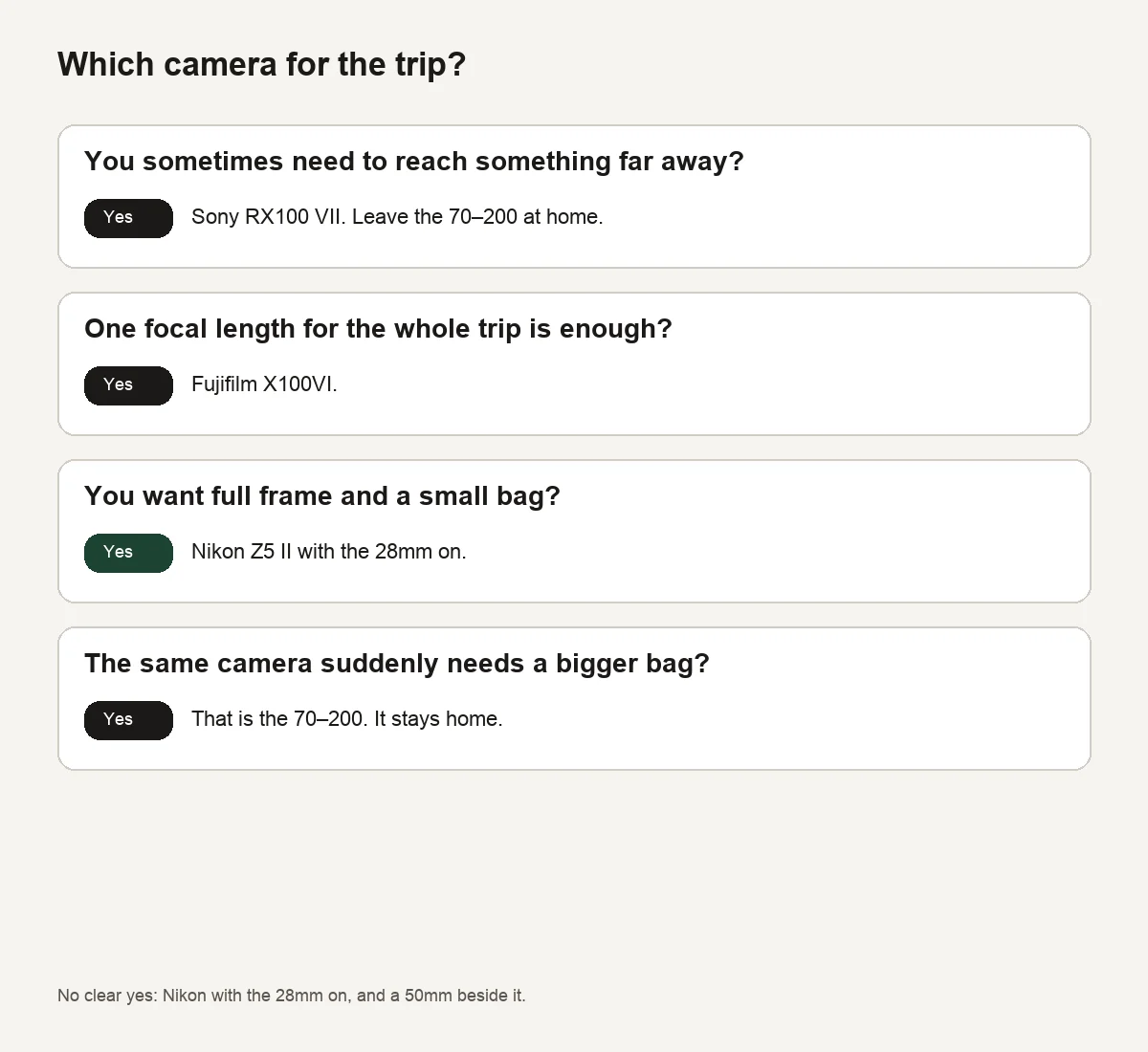
The drawing is the short form. Take the first line that sounds like your trip. The last question is not a new camera. It is the moment the same camera suddenly needs a bigger bag.

Decision tree: Sony RX100 VII, Fujifilm X100VI or Nikon Z5 II with a 28mm
The first yes counts. At the bottom, if nothing is clear: the Nikon with the 28mm.
04
Picks

Z5 II, RX100 VII and X100VI on the road

Nikon Z5 II: full frame that fits a small bag

Full frame here means this: with the 50mm the background goes softer than on a small compact, and when the light gets thin you have more room. The sensor is the size of an old 35mm negative. The Z5 II weighs about 700 grams as a body, steadies shake in the body, and has two cards. In November 2026 the body often sat around €1,400 to €1,550 in Europe. The 28mm on top costs clearly less than a zoom. That is the set I would carry through the day. On the older Z6 II I already do.

Travel kit
Nikon Z5 II (body)
Nikon

Nikon Z5 II (body)

The full-frame body I would buy in 2026 for a small travel kit

About 24 megapixels, stabilisation in the body, two cards, about 700 g empty. I shoot this idea on the older Z6 II: 28mm on, 50mm f/1.8 beside it. The Z5 II is the current body I would buy for that, without the video premium of the Z6 III. Product photos often show a kit zoom. For the trip, take the zoom off and put the 28mm on.

Was überzeugt
  • +Small once the 28mm is on
  • +Two cards
  • +The 50mm can sit beside it
Was Du wissen solltest
  • −A long zoom cancels the point
  • −No dedicated long review yet
Editor's Statement

“Full frame that still fits a small bag”

Verfügbar bei

Sony RX100 VII: the zoom you do not haul

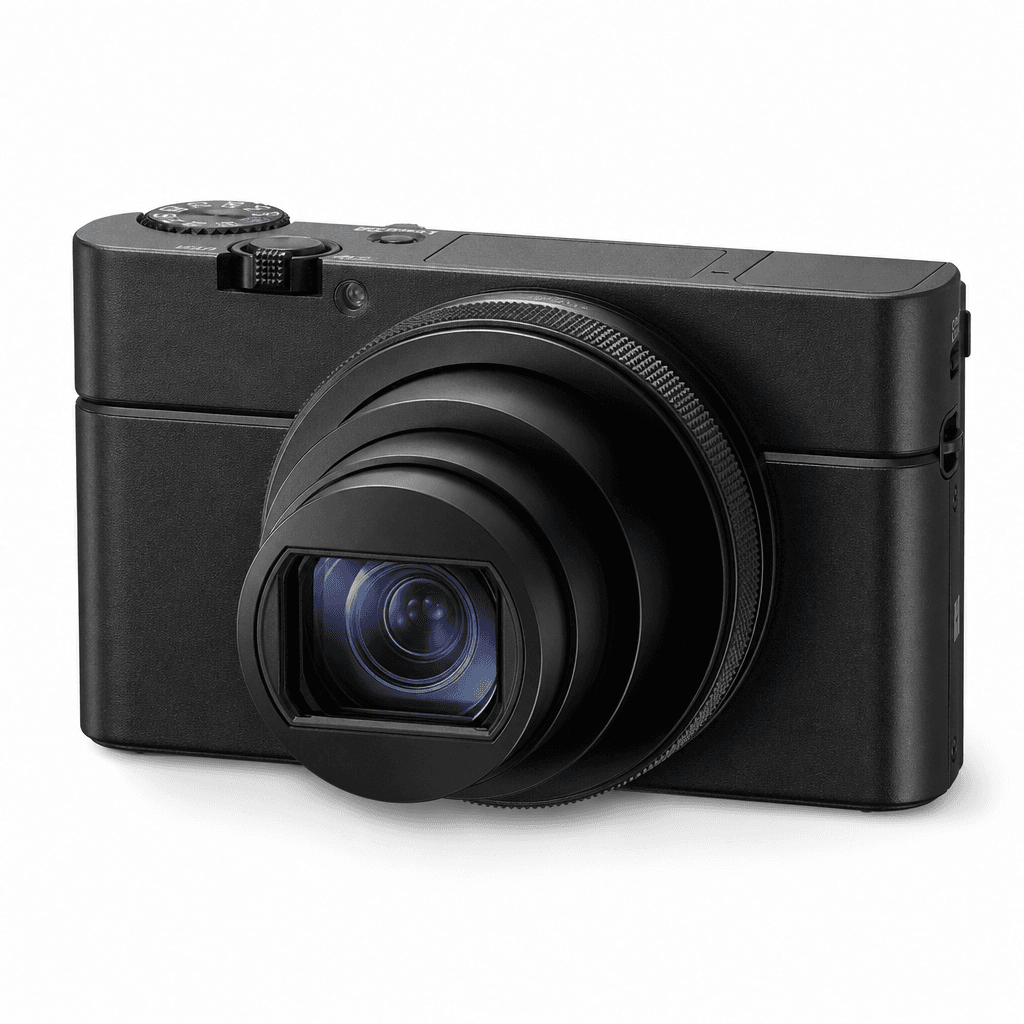
Once a day something is far away, and the rest of the time you want to feel nothing. Then a 70–200 is the expensive way to be unhappy. The RX100 VII pulls the subject in and weighs about 300 grams. The sensor is smaller. In the evening, and when you want a soft background, you notice that against the Nikon. In return the camera is in the jacket when you walk out the door, not in a pocket because it would be too long. The longer review is the Sony RX100 VII review.

Pocket zoom
Sony RX100 VII
Sony

Sony RX100 VII

The zoom you do not have to carry

A compact with a built-in zoom and about 300 g. You swap nothing. What is across the street, you pull in, without a kilo of glass around your neck. In low light and when you want a soft background it stays behind a full-frame camera with a 50mm. In return it is in the jacket when you leave, not in the hotel because it is too long.

Was überzeugt
  • +Actually comes with you
  • +Reaches what is far away
Was Du wissen solltest
  • −The small sensor shows in the evening
Editor's Statement

“Reach, without a 70–200”

Verfügbar bei

Fujifilm X100VI: one focal length for the trip

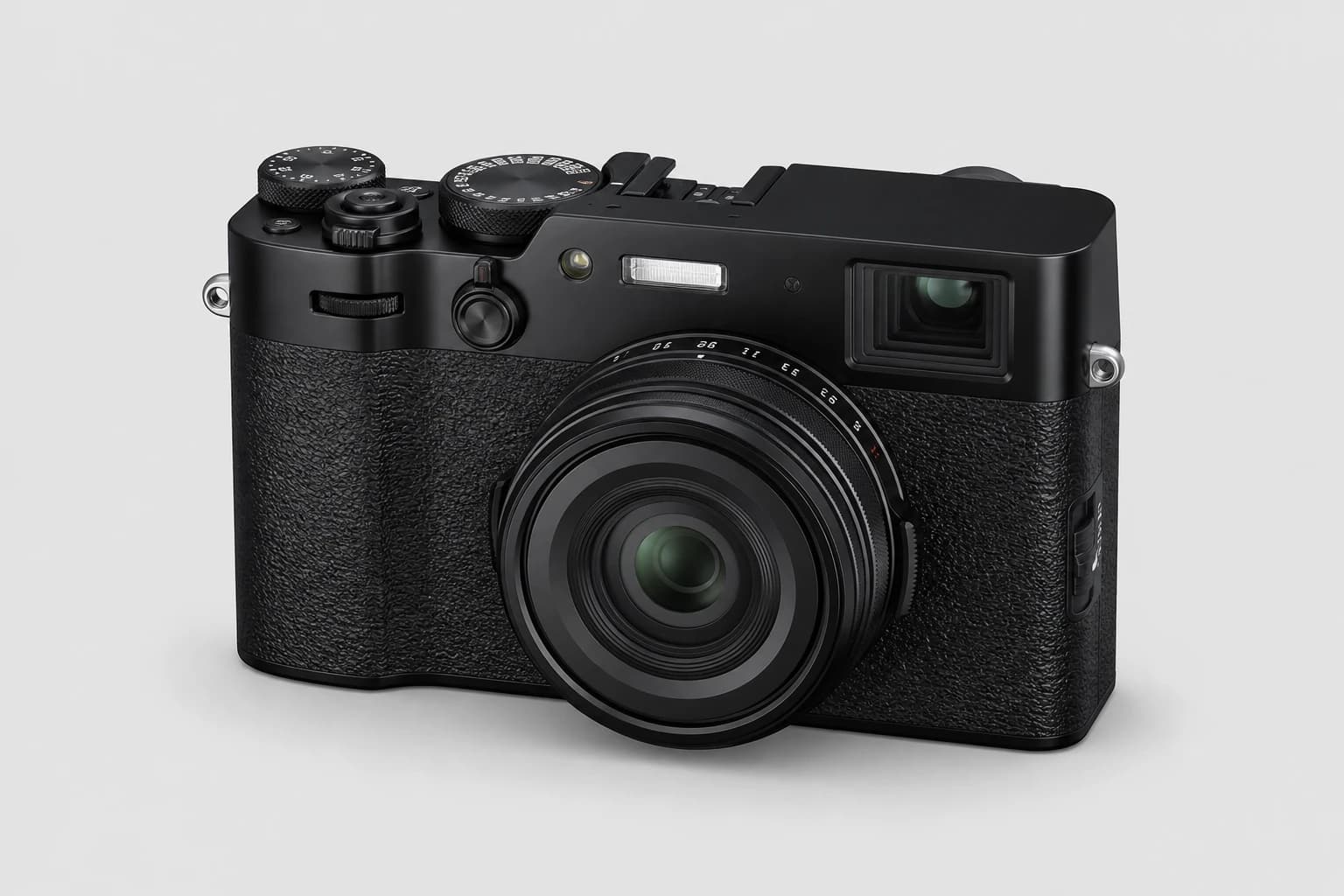
Some people do not want to swap anything on a trip. The X100VI is built for them. One focal length, a viewfinder, steadiness in the body, about 520 grams. You step closer or you step back. The camera does not zoom. There is no 50mm for the evening and no zoom for the stage. There is also nothing you forget in the hotel, and no pocket you stuff until the bag becomes a backpack again. Expensive if you compare it with a compact. Cheap if you would otherwise have bought a body, two lenses and the big bag. More in the Fujifilm X100VI review.

One lens
Fujifilm X100VI
Fujifilm

Fujifilm X100VI

One camera and one focal length for the whole trip

A fixed lens, a viewfinder, stabilisation in the body, about 520 g. You do not zoom. You step closer or you step back. The focal length sits, in feel, between a 28mm and a 50mm on full frame. Nothing to forget in the hotel, and no pocket you stuff until the bag is a backpack again.

Was überzeugt
  • +Nothing to swap
  • +Viewfinder and stabilisation
Was Du wissen solltest
  • −No 50mm for the evening, no zoom for a stage
Editor's Statement

“When you do not want to swap”
Verfügbar bei
05
Side by side

Travel cameras compared

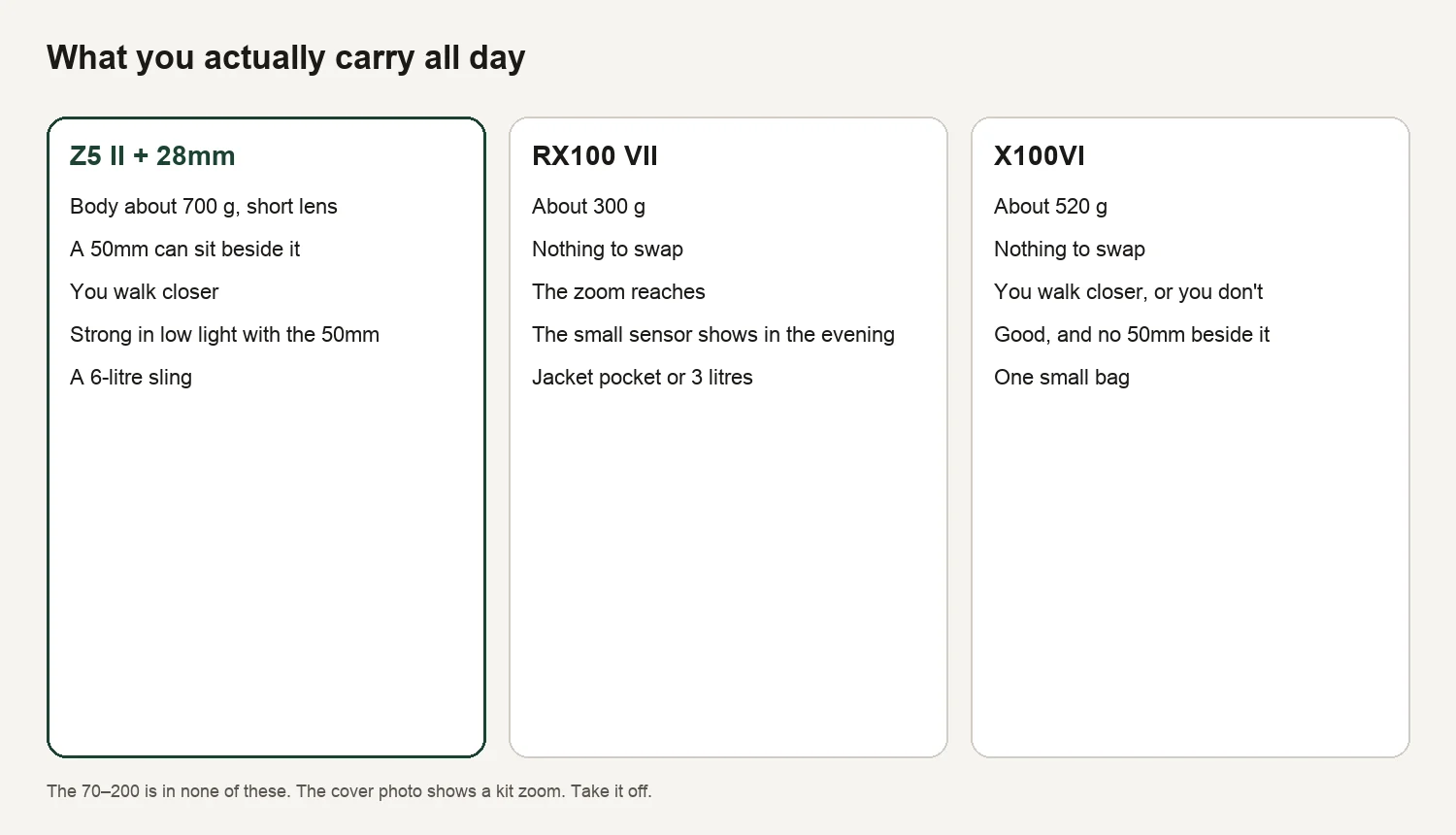
Comparison of a Nikon Z5 II with a 28mm, the Sony RX100 VII and the Fujifilm X100VI as travel cameras
Three ways to travel. The 70–200 is in none of them.
Z5 II + 28mmRX100 VIIX100VI
Weight, roughlybody about 700 g, lens lightabout 300 gabout 520 g
Swapping lensesa 50mm can sit beside itno, the zoom is built inno
Far awayyou walk closerthe zoom pulls it inyou walk closer, or you don't
Low lightstrong, especially with the 50mmthe small sensor noticesgood, and no 50mm substitute
Bag6-litre slingjacket or 3 litresone small bag

The difference is in the carrying, not in a spec line

06
Carry

A small camera bag for the trip

The Z with a 28mm and the 50mm beside it fits a six-litre sling. For me that is the WANDRD ROGUE 6L. A compact or the X100VI needs less. A backpack is only necessary once a laptop and clothes have to come, not because the camera needs it. The three small bags, and where the 50mm still fits, are in small camera bag. The big backpack, if the day becomes that kind of day, is in the camera backpack test. What else goes in the suitcase: photography travel packing list.

07
FAQ

Common questions about a travel camera

What is a good camera for travel?
One you carry all day. For me that is a Nikon Z with the short 28mm on and the 50mm beside it. If you do not want to swap anything, the Fujifilm X100VI is the more honest camera. If you sometimes have to pull something in without hauling a 70–200, the Sony RX100 VII.
Why should I not take a 70–200 on a trip?
Because it often weighs over a kilo and is long enough that the bag has to be built around it. Most travel pictures happen closer. The zoom stays in the pocket, and your shoulder carries it anyway. For the few subjects that are far away, a small camera with a zoom is the lighter way.
Is 28mm enough for travel?
For streets, cities, landscape from nearby and interiors, yes. For a single face it is often too wide. That is why the 50mm f/1.8 sits beside it for me, not a zoom.
Compact or interchangeable-lens camera for travel?
An interchangeable-lens camera with one short lens, if you want full frame and the option to swap, and you accept a small bag. A compact, if nothing should be swapped, or you sometimes need to zoom in without carrying a long lens.
Shop buttons are affiliate links to Amazon (partner ID martinkleinhe-20). If you buy through them, I get a small commission. The price stays the same for you. No brand paid for this article. I describe the travel set the way I shoot it on the Z6 II. The Z5 II is the current camera I would buy new for that. Today's price is on the Amazon page.
◆ Newsletter

Stay in the loop.

Camera and photography news, honest gear tests and new articles — in your inbox. Infrequent but relevant. No spam, unsubscribe anytime.

Keep reading

From the journal.

Fotograf, Martin Fernando Mera Kleinheinz · Franz-Bork-Straße 21, 30163 Hannover · 0179 4085297