
Mirrorless vs. DSLR 2026: Which Is Right for You?

Mirrorless vs. DSLR — which buying decision is right in 2026? Differences in viewfinder, autofocus, size and future-proofing, plus concrete recommendations from Canon EOS R10 to Sony A7 IV.

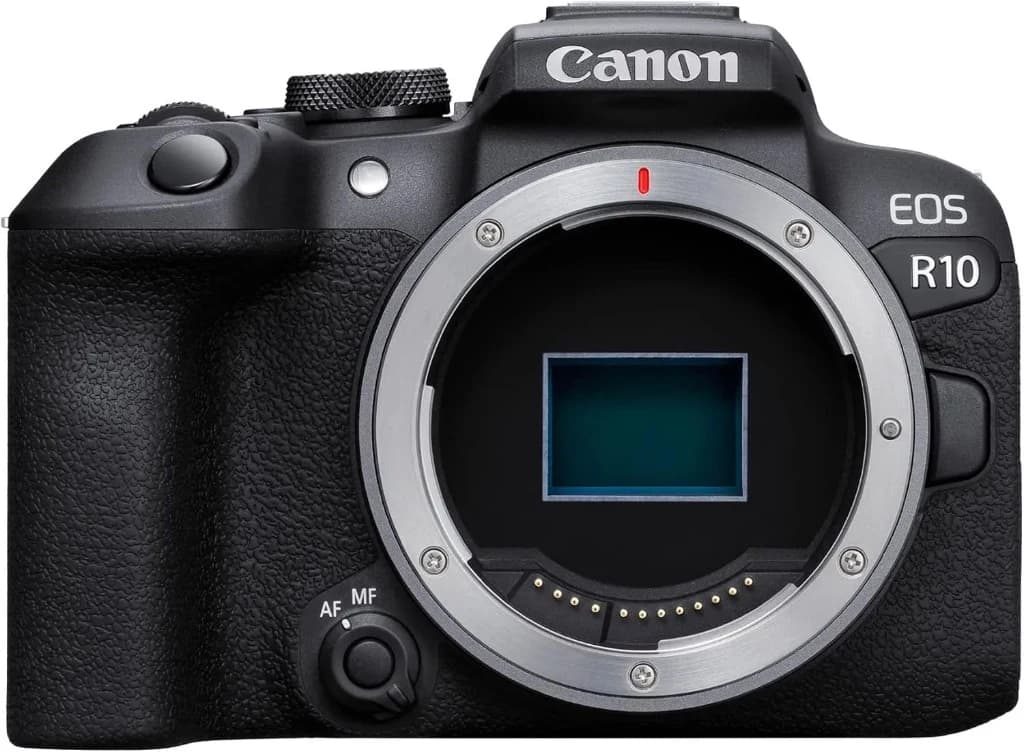
Mirrorless vs. DSLR — Canon EOS R10 mirrorless in comparison
Martin Kleinheinz
Author
Martin Kleinheinz
Photographer · Hannover
Updated
June 21, 2026

*Mirrorless vs. DSLR?* — thousands of buyers are asking that right now. And you read contradictory advice: "Get a DSLR, it's cheaper." "Only buy mirrorless, DSLRs are dead." "My uncle swears by his Nikon D750." What's true — and what's outdated?

In short: mirrorless (DSLM) and DSLR are both interchangeable-lens cameras — but with fundamentally different design. Since 2018 the market has shifted massively. Anyone buying new in 2026 faces a different decision than five years ago.

In this guide I explain the differences honestly — without manufacturer propaganda. You'll learn what each type commits you to, when a DSLR can still make sense and which mirrorless models I recommend concretely. Related: Camera for Beginners, Photography Equipment, Camera Brands and the interactive camera finder.
00
Quick

What should you buy in 2026?

The honest answer in one sentence: Buy a mirrorless system camera (DSLM), unless you have a very specific reason for a DSLR — e.g. a cheap used Canon EF or Nikon F lens set you already own.

Starting fresh, budget ~€900–1,300
Canon EOS R10 (photo focus) or Sony ZV-E10 II (content/video). Both mirrorless APS-C — details in the beginner guide.
Ambitious, investing long term
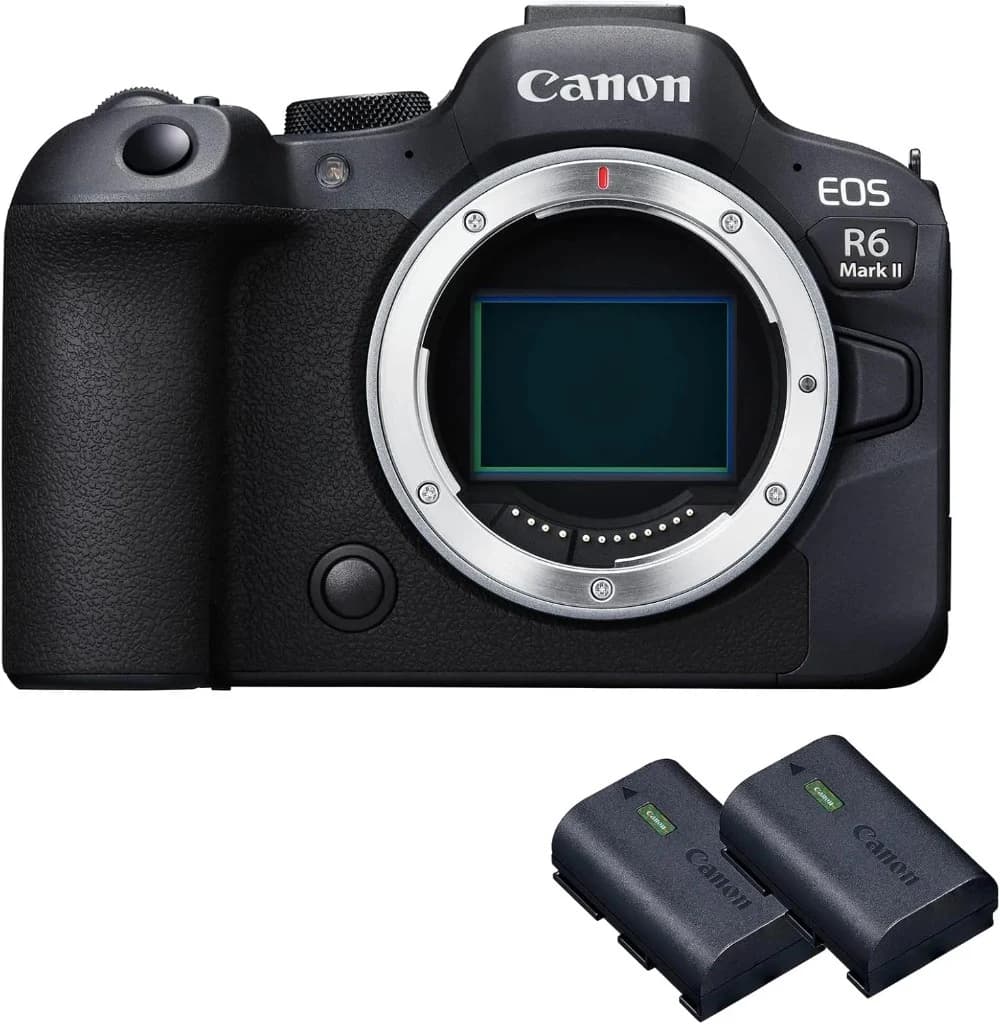
Canon EOS R6 Mark II — my workhorse for events and all-round. Or Sony A7 IV if low light and hybrid video are priorities.
Maximum simplicity, no lens changes
Canon PowerShot V10 — not a system camera but mirrorless and compact. No DSLR comparison needed.
Used DSLR under €400
Only makes sense if you already have matching lenses or find a bargain — not a new purchase in 2026.
01
Basics

Terms explained simply

Before we compare: what do the terms actually mean?

TermAbbreviationMeaning
System cameraUmbrella term for interchangeable-lens cameras — includes DSLRs AND mirrorless
DSLRDSLRSystem camera with mirror and optical viewfinder — light through lens → mirror → viewfinder
Mirrorless system cameraDSLM / MILCSystem camera without mirror — sensor and electronic viewfinder/display directly
Compact cameraFixed lens, no system — e.g. Canon PowerShot V10

System camera doesn't equal mirrorless — but in 2026 almost everyone means mirrorless by "system camera"

How a DSLR works

In a DSLR light passes through the lens onto a movable mirror that directs it to the optical viewfinder. When you shoot the mirror flips up, light hits the sensor — click. You see through the viewfinder exactly what the lens sees. No lag, no battery drain for preview. The price: mirror mechanics need space, weight and maintenance.

How a mirrorless system camera works

Mirrorless cameras have no mirror. The sensor receives light permanently — you see either on the display or in the electronic viewfinder (EVF) a live preview. When shooting: no mirror slap, silent (in silent mode), faster bursts. The sensor sits closer to the lens — lenses can be built more compact. The price: EVF and display use battery; some find EVF preview less "natural" than an optical viewfinder.

02
Comparison

Mirrorless or DSLR — direct comparison

CriterionDSLRMirrorless (DSLM)
ViewfinderOptical — instant, naturalElectronic (EVF) — live preview with exposure preview
AutofocusPhase detect on sensor (older systems slower)Phase detect on sensor — eye AF, tracking, AI
Burst rate5–10 fps mechanical (mirror limits)15–40 fps electronic, no mirror limit
Size & weightLarger, heavierMore compact, lighter — often 30–40% less
NoiseAudible mirror slapQuiet to silent (electronic shutter)
BatteryLonger runtime (optical viewfinder saves power)Shorter — EVF/display always active
VideoOften retrofitted, slower AFDesigned for video from the ground up
LensesHuge used market (Canon EF, Nikon F)New development — RF, E, Z mount
StabilisationRare in body (IBIS)Standard in mid-range and pro (5–8 stops)
Future-proofingEnd of life — no new modelsActive development — where you invest

DSLR vs. DSLM — the key differences at a glance

03
Mirrorless

Advantages of mirrorless

Better autofocus
Eye AF, face and animal detection, real-time tracking — mirrorless cameras of the last generation (Canon R6 II, Sony A7 IV, Nikon Z6 III) are a generation ahead of DSLRs in AF. Decisive for sport, events and kids.
Quieter and more discreet
No mirror slap in churches, at weddings or in street photography. Electronic shutter = completely silent.
More compact and lighter
A Canon R10 weighs 429 g — a comparable DSLR like the Canon 90D: 701 g. You feel that over a full shooting day.
Exposure preview in viewfinder
You see in the EVF how bright or dark the image will be — before you shoot. Fewer surprises, less exposure correction needed.
Video without compromise
4K60, 10-bit, log profiles — mirrorless cameras are hybrid tools. DSLRs were retrofitted for video.
IBIS (in-body stabilisation)
5–8 stops stabilisation — hand-held in low light. On DSLRs almost never in body, only in lens.
Future-proofing
All manufacturers develop only mirrorless now. New lenses come for RF, E and Z — not EF or F.
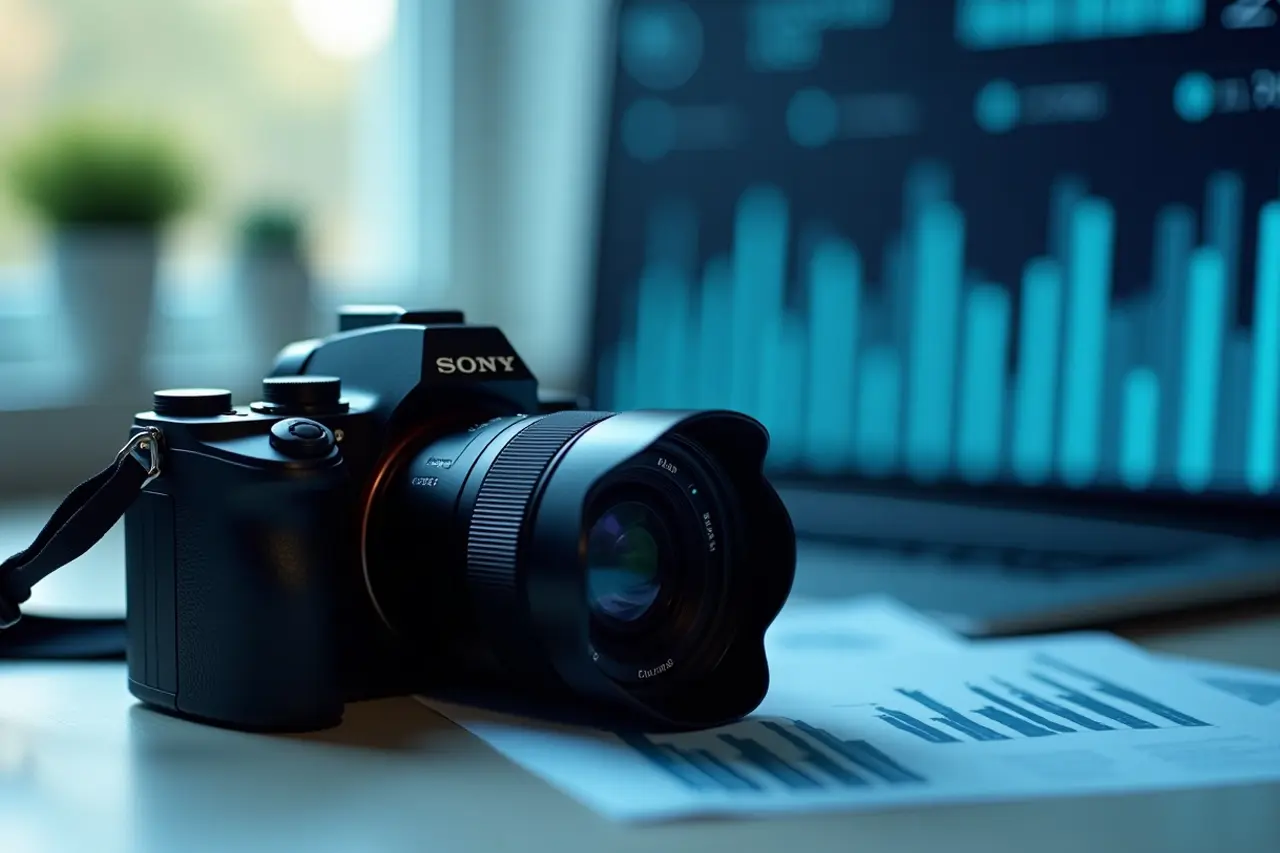
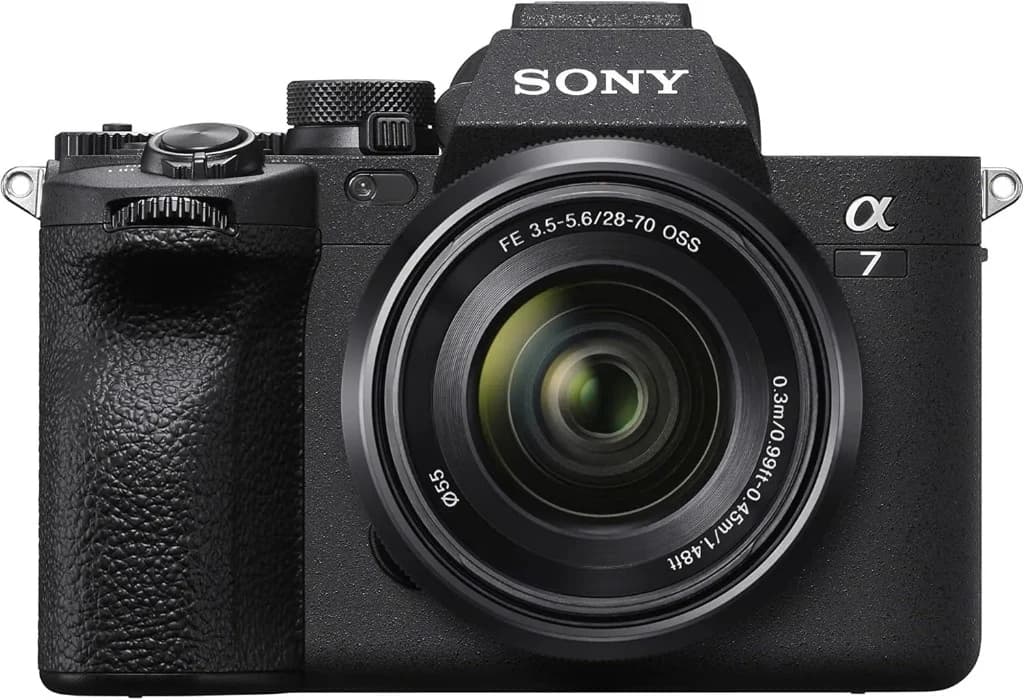
Sony A7 IV — mirrorless full-frame system camera
Sony A7 IV: typical mirrorless full frame — more compact than comparable DSLRs, stronger in AF and video.
04
DSLR

When a DSLR still makes sense

I no longer recommend buying a new DSLR in 2026. But there are honest exceptions — and I won't pretend DSLRs are worthless.

You already own lenses
Have a Canon EF or Nikon F set? A used DSLR (Canon 90D, Nikon D7500) or a mirrorless body with adapter can make sense. Buying new: prefer mirrorless + adapter.
Minimal budget (under €300 used)
Used entry DSLRs with kit lens are often cheaper than mirrorless entry models. You sacrifice AF, video and future — but for pure learning it's enough.
Optical viewfinder is sacred to you
Some photographers prefer the optical viewfinder — zero lag, natural light. Modern EVFs (OLED, 120 Hz) closed the gap, but taste is taste.
Extreme battery life
DSLRs manage 1,000+ shots per battery with optical viewfinder. Mirrorless: 300–500. Relevant for multi-day treks without power — otherwise bring spare batteries.
05
Market

Market situation 2026 — numbers not opinion

The market has decided — not me. According to CIPA data and industry reports (details: camera statistics) mirrorless cameras account for over 85% of revenue. DSLRs are niche products.

DevelopmentStatus 2026
New DSLR modelsNone from Canon, Nikon — end of life
New mirrorless modelsActive: Canon R, Sony Alpha, Nikon Z, Fujifilm X
Lens developmentRF, E, Z, X — EF/F only used market
Professional usePredominantly mirrorless (Olympics, press, events)
Used DSLR marketCheap, but falling resale value

Camera market 2026 — where things are heading

What that means for your buying decision: if you invest in a system today, best invest in a mirrorless mount (Canon RF, Sony E, Nikon Z). Lenses you'll still use in five years. More on brands: camera brands comparison.

06
Entry

My entry recommendations (mirrorless)

I've recommended these models for months in Camera for Beginners and the camera finder — they replace any new DSLR in their price class.

Mirrorless entry system cameras

Canon EOS R10 vs. Sony ZV-E10 II

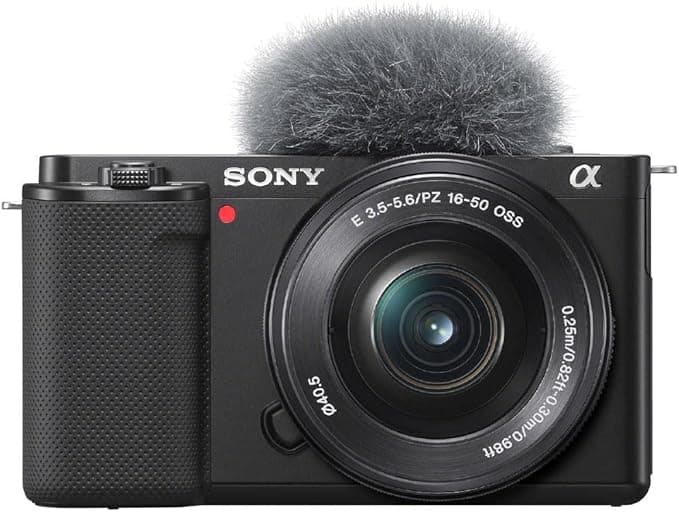
**Canon EOS R10** — when learning photography and a viewfinder matter. **Sony ZV-E10 II** — when Instagram, Reels and video count equally. Both: mirrorless APS-C, ~€900–1,300 with kit lens.

Vergleich
Canon
Canon EOS R10
Sony
Sony ZV-E10 II
Bild
Canon EOS R10
Sony ZV-E10 II
EmpfehlungEntryContent
SensorMirrorless APS-C (DSLM)Mirrorless APS-C (DSLM)
ISO-Bereich24.2 MP · APS-C CMOS26 MP · APS-C BSI CMOS
AutofokusDual Pixel II · subject detectionAI real-time AF · eye AF
DetailViewfinder · 4K30 · 429 g · no IBIS4K/60p · flip screen · no viewfinder
Stärken
  • +Future-proof RF system
  • +Lighter and more compact than any comparable DSLR
  • +Huge lens choice including EF adapter
  • +Best AF in class — even in video
  • +More compact than comparable DSLRs
  • +Huge E-mount ecosystem
Schwächen
  • No in-body IBIS
  • APS-C — not full frame
  • No viewfinder — screen only
  • Sony menu takes getting used to
Geeignet fürBeginners, family, hobby with room to grow.Content creators, hybrid shooters, Instagram.
Wo kaufen

More mirrorless alternatives

Canon EOS R50
Even lighter than the R10, slightly simpler — good if you want maximum compactness and the viewfinder matters less.
Nikon Z50 II
Nikon's mirrorless APS-C answer — strong if you plan to move to Nikon Z full frame later.
Fujifilm X-S20
Creative controls, film looks — for anyone who wants to shoot slower and more consciously.
Sony A6400
Slightly older than the ZV-E10 II but with viewfinder — solid photo alternative in the E-mount system.
07
Advanced

Recommendations for advanced (mirrorless full frame)

If you're past entry level — or want to invest long term from the start — these are the mirrorless full-frame cameras I recommend. They replace DSLRs like Canon 5D IV or Nikon D850 in every discipline.

Mirrorless full-frame all-rounders

Canon R6 II vs. Sony A7 IV

**Canon EOS R6 Mark II** — my workhorse for events and weddings. **Sony A7 IV** — when low light, hybrid video and lens variety (Sigma, Tamron) are priorities. Both: ~€2,400–2,600.

Vergleich
Canon
Canon EOS R6 Mark II
Sony
Sony A7 IV
Bild
Canon EOS R6 Mark II
Sony A7 IV
EmpfehlungAll-rounderHybrid
SensorMirrorless full frame (DSLM)Mirrorless full frame (DSLM)
ISO-Bereich24.2 MP · full-frame BSI33 MP · full-frame BSI
AutofokusDual Pixel II · eye/subject759-point AF · real-time tracking
Detail40 fps · 4K60 · IBIS 8 EV10 fps · 4K60 · S-Log3 · IBIS
Stärken
  • +Quiet — no mirror slap
  • +8-stop IBIS — unbeatable vs DSLRs
  • +Dual slot, pro reliability
  • +Best low-light performance in class
  • +Largest third-party lens choice (Sigma, Tamron)
  • +Strong video without compromise
Schwächen
  • Higher entry price than APS-C
  • RF lenses often premium priced
  • Menu complexity
  • Skin tones often need a bit more editing than Canon
Geeignet fürEvents, weddings, reportage, ambitious hobbyists.Hybrid shooters, reportage, available-light photography.
Wo kaufen
Events & weddings
Canon R6 Mark II — reliability, skin tones, 40 fps, dual slot. My clear pick from event photography.
Reportage & low light
Sony A7 IV — 33 MP, best AF, excellent ISO performance.
Nikon switchers
Nikon Z6 III — if you're coming from Nikon DSLR and want to stay in the Z ecosystem.
Creative & street
Fujifilm X-T5 — premium APS-C with film simulations, no full frame needed.
08
System

System lock-in — what you're committing to

You don't buy a system camera — mirrorless or DSLR — in isolation. You buy into a lens ecosystem. That's the most important long-term decision.

MountTypeStatus 2026For whom
Canon RF / RF-SMirrorlessActive — main developmentBeginner to pro, largest ecosystem
Sony EMirrorlessActive — innovationHybrid, low light, video, third-party
Nikon ZMirrorlessActive — catching upNikon switchers, solid all-rounders
Fujifilm XMirrorless APS-CActive — nicheCreative, street, no full frame needed
Canon EF / EF-SDSLREnd of lifeOnly with adapter on RF — no new purchase
Nikon FDSLREnd of lifeOnly with FTZ adapter on Z — no new purchase

Lens mounts — where your money goes long term

DSLR lenses on mirrorless cameras

Canon EF lenses mount on any Canon R camera via RF adapter — often works better than on the original DSLR (AF sometimes faster). Nikon F via FTZ adapter on Z cameras. That's the gentle upgrade path for DSLR owners: buy mirrorless body, keep old lenses, gradually switch to native lenses.

09
Decision

Your buying decision — step by step

Go through these questions in order. At the end you'll know which path is right for you.

Step 1: New or used?
New: mirrorless only. Used under €300 with lenses: DSLR can work short term — but plan the switch.
Step 2: Budget?
Under €500 → Canon PowerShot V10 (no system) or used DSLR. €900–1,300 → Canon R10 or Sony ZV-E10 II. €2,500+ → Canon R6 II or Sony A7 IV.
Step 3: Photo or video?
Primarily photo → R10. Photo + video/content → ZV-E10 II. Pro demands → R6 II or A7 IV.
Step 4: Existing lenses?
Canon EF → Canon R + adapter. Nikon F → Nikon Z + adapter. None → free choice, but lock in your mount.
Step 5: Try it
Dealer, friends, rental. EVF and ergonomics are personal — specs alone aren't enough.

After buying: understand the exposure triangle, set RAW not JPEG, read Take Better Photos. The camera is only the tool — 90% happens before the shutter.

10
Mistakes

Avoid typical buying mistakes

Buying a new DSLR because it's cheaper
You save €200 and lose years of future-proofing. Used yes — new no.
Megapixels as main criterion
24 MP is enough for A2 prints. 45 MP without technique brings nothing. Sensor size and AF matter more.
Underestimating the kit lens
The bundled lens lasts months. Don't buy three lenses immediately.
System switch after one year
Swapping lenses costs hundreds. Choose your mount consciously — stay at least 3–5 years.
Full frame as first camera
APS-C (R10, ZV-E10 II) is often the better choice for beginners — cheaper, lighter, less overwhelming.
Only listening to YouTube reviews
Comparing specs is easy. Holding and shooting — that decides ergonomics and joy.
11
FAQ

Frequently asked questions

Mirrorless or DSLR — what should I buy in 2026?
Mirrorless system camera (DSLM). No new DSLR — unless you already have matching lenses and a very small budget for used gear. Concretely: Canon EOS R10 or Sony ZV-E10 II for entry.
Is system camera the same as mirrorless?
Not quite. System camera is the umbrella term for interchangeable-lens cameras — that includes DSLRs. In everyday speech "system camera" in 2026 almost always means mirrorless (DSLM).
Should I still buy a DSLR in 2026?
New: no. Used under €300 with existing lenses: can make short-term sense. For any new purchase I recommend mirrorless — Canon R10, Sony ZV-E10 II or higher.
Which mirrorless camera for beginners?
Canon EOS R10 for photo focus with viewfinder, Sony ZV-E10 II for content and video. Both in detail in the camera for beginners guide.
Can I keep using my old DSLR lenses?
Yes — with adapter on mirrorless cameras of the same brand. Canon EF on Canon R, Nikon F on Nikon Z. AF often works even better than on the old DSLR.
Is mirrorless worse in low light?
No — the opposite. Modern mirrorless full-frame cameras (Sony A7 IV, Canon R6 II) clearly beat older DSLRs at ISO. APS-C mirrorless is comparable to APS-C DSLR.
DSLR or mirrorless for events?
Mirrorless — quieter, faster AF, better IBIS, dual slot on pro models. My pick: Canon R6 Mark II or Sony A7 IV. More: event photography tips.
Transparency notice: This article contains affiliate links. If you buy through them I earn a small commission at no extra cost to you. Editorial content is unaffected.
Newsletter

Stay in the loop.

Camera and photography news, honest gear tests and new articles — in your inbox. Infrequent but relevant. No spam, unsubscribe anytime.

Keep reading

From the journal.

Fotograf, Martin Fernando Mera Kleinheinz · Franz-Bork-Straße 21, 30163 Hannover · 0179 4085297