Photography for Beginners: Tips & an Honest Overview 2026

What you're really signing up for, how hobby and profession differ — and why as a beginner you don't need an expensive course, full frame or Instagram comparison.

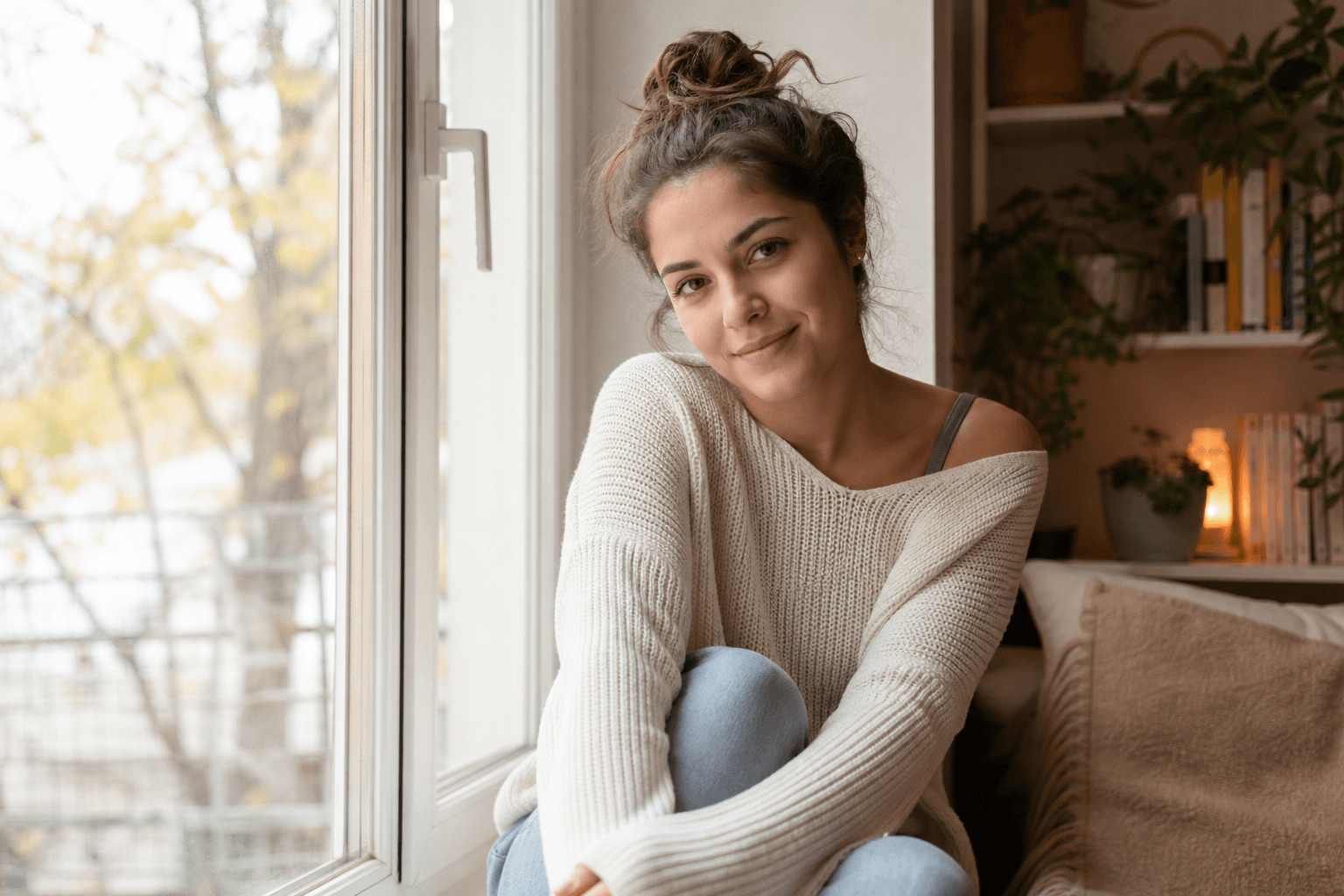
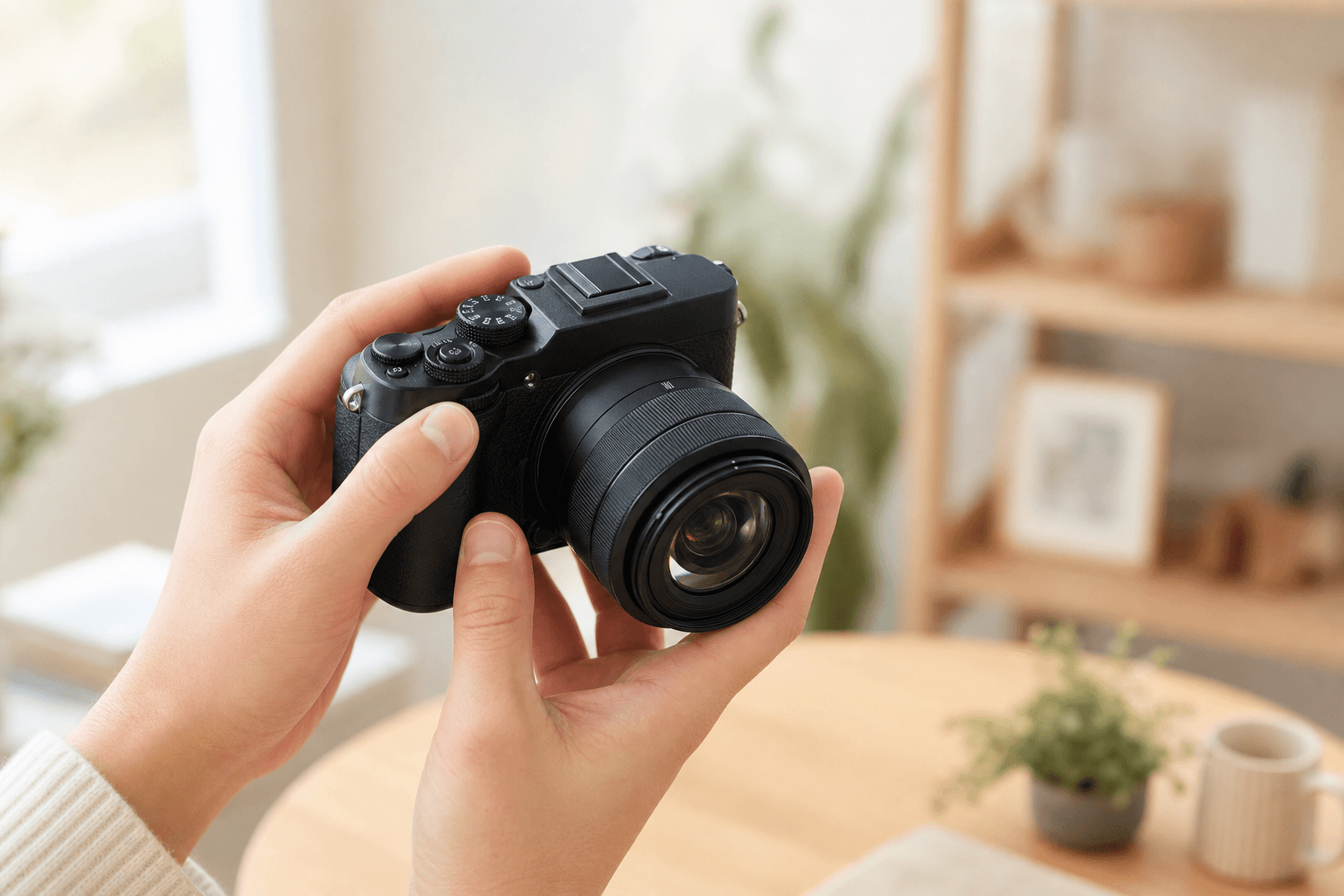
Photography for beginners — newcomer with camera in hand, relaxed and curious
Martin Kleinheinz
Author
Martin Kleinheinz
Photographer · Hannover
Updated
July 3, 2026

You bought a camera — or you're thinking about it — and scroll through YouTube, Instagram and buying guides. Everywhere the same message in different packaging: you need more. More megapixels, more lenses, more knowledge, more followers. And eventually you should go professional anyway, right?

No. Or yes. Or maybe in five years. You decide. This article isn't another "10 tips that will change your life" guide. It's a readable overview of what you're signing up for as a photographer — with my experience from 15 years where I know both: the relaxed hobby shot on Sunday and the assignment where the alarm goes off at 6 a.m. and the invoice has to add up.

In the end you should feel less pressure and more desire — plus a clear map of which of my other articles help when you want to go deeper.
00
Invitation

First, breathe

As a beginner you're allowed to take bad photos. Many. That's not failure — that's learning. I have folders of images I wouldn't show even my closest family today. And yet each was a step. If you take only one thing from today: photography should bring you joy. If it feels like duty, something's set up wrong — not you.

You don't need to become a master. You don't need full frame. You don't have to understand RAW before your first image. You don't need every technical term. You're allowed to start slowly — and still be proud of individual images from day one.

The best hobby photographers I know never tried to go pro. They simply never stopped looking with curiosity.

Martin Kleinheinz
01
Honesty

What you're really signing up for

Photography is easier to start and harder to master than it looks from outside. The entry is low: camera or phone, press shutter, done. Depth comes later — and that's the real appeal.

Time
Better images need practice — but not 40 hours a week. Thirty minutes on the weekend is enough for noticeable progress if you shoot deliberately.
Money
Hobby can stay almost free (smartphone, daylight). Or you invest step by step — camera, one lens, maybe Lightroom. Nobody demands a €5,000 setup.
Learning curve
At the start everything is new: aperture, ISO, composition. That overwhelms briefly — then becomes play. One subject per week is enough.
Frustration
There are days when nothing works. I know that as a pro too. One bad afternoon doesn't mean you're untalented.
Joy
The moment an image looks exactly how you saw it — you get that as a hobby just like on the job. That's what it's worth for.
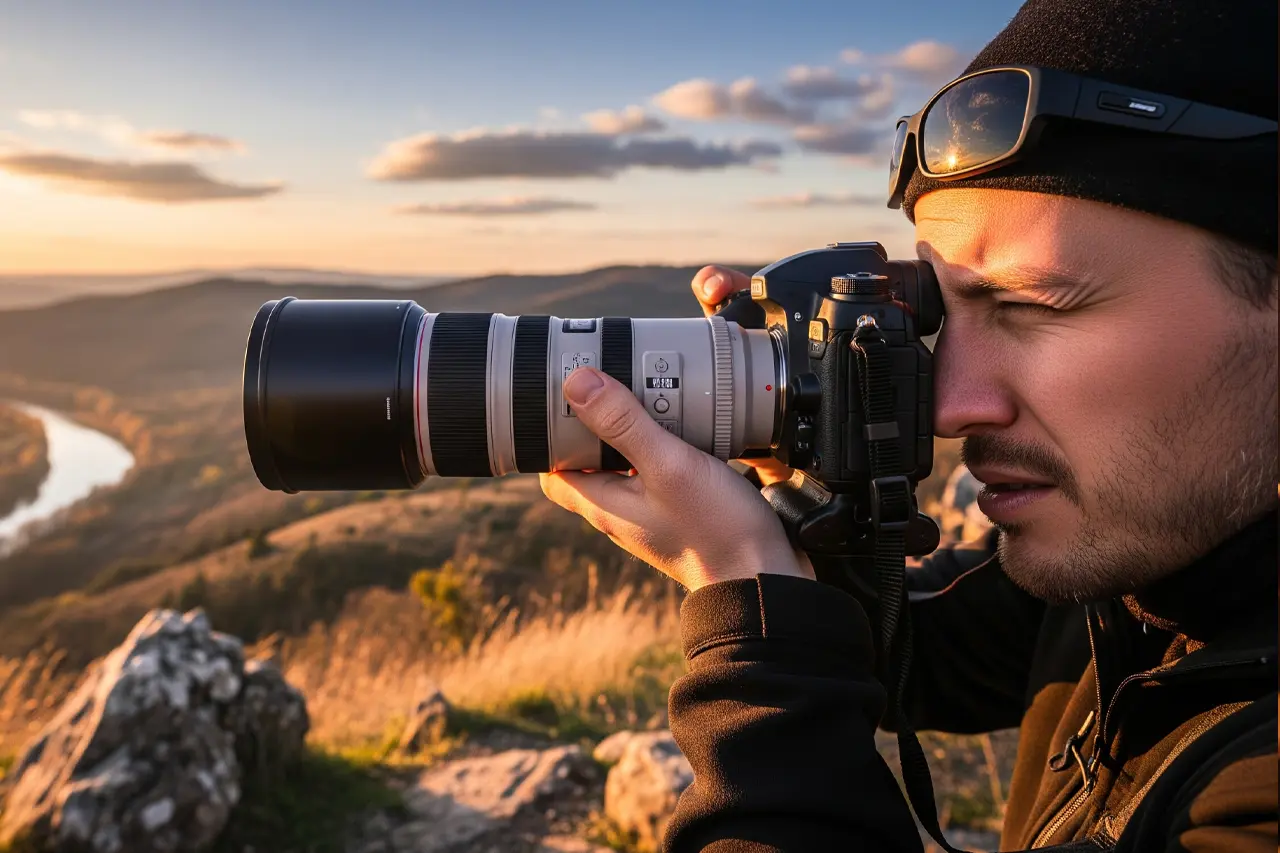
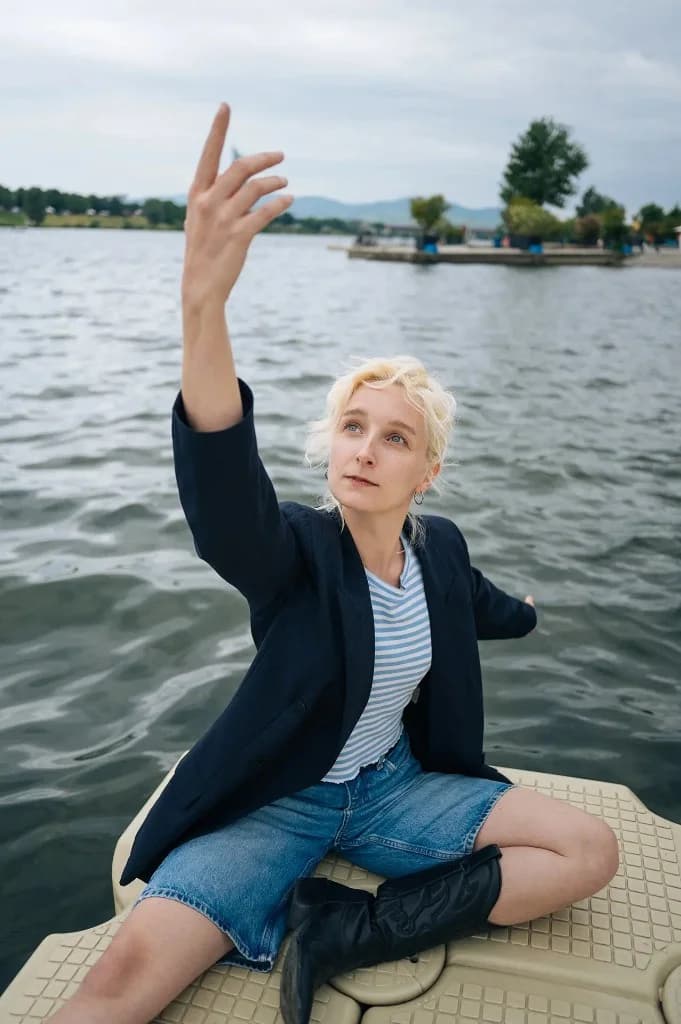
Photography for beginners — relaxed outdoor shooting
Photography also means: go out, look, try — without performance pressure
02
Distinction

Hobby and profession — two different worlds

The most important thing nobody told me at the start: being a hobby photographer isn't half a thing. It's a full, legitimate way to experience photography. You don't have to "launch someday".

HobbyProfession (self-employed)
MotivationFun, memories, creativityIncome, clients, reputation
PressureSelf-chosen — you set the paceDeadlines, expectations, pricing
EquipmentWhat you enjoy and fitsWhat reliably covers assignments + backup
LearningWhat interests youPlus business, law, sales, editing under time pressure
ComparisonWith yesterday's youWith market, competition, client expectations
SuccessAn image you loveHappy clients + profitable prices

Hobby vs. profession — choose consciously instead of mixing unconsciously

I photograph professionally — business, events, workshops. But I started like most: holiday photos, shooting friends, experimenting. Going pro was a conscious decision after years, not an obligation. Many of my workshop participants stay deliberate hobby photographers — and are happier than some full-time colleagues.

If you want to earn money someday: great. Then a different learning path pays off — Become an Event Photographer, Photographer Pricing Guide, GDPR for Photographers. But that's chapter two, not a prerequisite for chapter one.

03
Experience

What really matters after 15 years

Marketing says: newest body. Forums say: best aperture. Instagram says: perfect look. My experience says something more boring — and more useful:

1. Looking
Before pressing the shutter stop: what catches my eye? Where's the light? What distracts? Most beginners press too fast.
2. Light
Soft light makes almost every subject better. Windows, shade, golden hour — not midday sun and ceiling lamps.
3. Simplicity
Less in the frame = clearer. One subject, one background, one idea.
4. Repetition
The same subject ten times in different light — boring, but more effective than buying ten new lenses.
5. Selection
Pros show 20 images from 800. You're allowed to delete. Not every photo has to be a masterpiece.

Technique is tool, not goal. Aperture, ISO and shutter speed you'll understand eventually — but you can make first good images before you know the exposure triangle by heart. Deep dives: Exposure Triangle and Take Better Photos.

Take better photos — composition and light as fundamentals
The fundamentals apply to every camera — not just pro bodies
04
Structure

Three areas — without everything at once

If you want to approach photography for beginners in a structured way without getting lost: think in three areas. You don't have to learn everything in parallel — switch focus every few weeks.

1. Seeing & composing

Rule of thirds, perspective, frame within frame — that's free and works with any device. Start here if you're overwhelmed. → Take Better Photos, Golden Ratio, Photo Ideas.

2. Understanding technique (at your pace)

When does an image go soft? Why is it too dark? What is RAW? That comes after the first wonder at a successful image. → Exposure Triangle, Exposure Correction, RAW vs. JPEG.

3. People & subjects

Portraits, family, events — communication joins in here. Technique alone isn't enough. → Photographing Portraits, Portrait Photography Tips, Photoshoot Ideas.

05
Equipment

Equipment — without buying pressure

The most common beginner trap: buying too much too soon. Kit camera with lens lasts months — often years. Only when you notice what you're missing (more zoom? more light? smaller camera?) does the next piece pay off.

  • Smartphone: totally fine to start — especially with good light.
  • Kit mirrorless/DSLR: best all-round entry for most.
  • Second lens: only after 3 months of kit use — usually 50mm f/1.8.
  • Tripod, flash, filters: later, when a concrete problem solves them.

Buying advice when you're ready: Camera for Beginners, Compact Mirrorless Camera, Which Lens for What, Photography Equipment. Read them only when you really want to buy — not beforehand out of fear of missing out.

06
Genres

What do you want to photograph?

Photography is huge. You don't have to like everything. Pick one or two areas that really excite you — then learning gets easier.

InterestEntryFurther reading
People & portraitsWindow light, someone you knowPhotographing Portraits
Family & everydaySmartphone or kit, natural lightPortrait Photography Tips
Landscape & travelGolden hour, tripod optionalBeautiful Destinations Germany
Street & cityDiscreet, 35mm classPhotoshoot Ideas
Events & celebrationsReact fast, flash basicsEvent Photography Tips
Image editingLightroom or appPhoto Editing for Beginners

Genres at a glance — pick one, not all

Photo ideas for beginners — inspiration for different subjects
Still unsure? Start with simple exercises from the photo ideas guide
07
Learning path

A relaxed path — without deadline pressure

No "30-day challenge" pressure. Here's a path that works in practice — without having to photograph every day:

Weeks 1–4
Just photograph — whatever you meet. No rules. Only notice what you like.
Weeks 5–8
One theme: only shadows. Or only window light. Or only one focal length.
Month 3
Read one article and try one thing — e.g. rule of thirds from Take Better Photos.
Months 4–6
First mini shoot with a friend — plan in Photographing Portraits.
After that
You'll notice yourself where it pulls. Buying, genre, editing — all optional.

It took me years to know I wanted to photograph professionally. The years before weren't "wasted" — they were the foundation.

Martin Kleinheinz
08
Personal

What I wish I'd known as a beginner

Three things that would have removed the pressure back then:

First: Nobody sees your bad images unless you show them. You're allowed to delete. You're allowed not to post. Photography isn't a public test.

Second: The camera on Instagram is rarely the camera the image was learned with. Don't compare yourself to others' highlight reels — compare yourself to you a month ago.

Third: Pros aren't superhuman. We have soft, wrongly exposed and boring images too. The difference: we throw more away and know when to stop adjusting and start waiting — for light, for the moment, for the gesture.

09
Map

Your next reads — as needed, not all at once

Save this overview. You don't have to read anything right now. Come back when the topic becomes urgent.

You're wondering …Read next
How do I learn systematically?Learn Photography Properly — 12-month roadmap
Which camera should I buy?Camera for Beginners
Why do my photos look boring?Take Better Photos
What do aperture, ISO, shutter mean?Exposure Triangle
How do I photograph people?Photographing Portraits
Portrait technique checklist?Portrait Photography Tips
Which lens as second?Which Lens for What
I need subject ideasPhoto Ideas
Can I earn money?Become an Event Photographer · Pricing Guide
Edit images?Photo Editing for Beginners
Legal when shooting?GDPR for Photographers

Your map — one article per question is enough

And if today you only make one image — by the window, in the park, on the balcony — and you like it: then this article reached its goal. The rest comes on its own.

10
FAQ

Frequently asked questions from beginners

Is my smartphone enough to start?
Yes, absolutely — especially with good light and some awareness of composition. A camera pays off when you want more control and image quality in low light. More: Camera for Beginners.
Do I need to shoot RAW as a beginner?
No. JPEG is enough to learn. RAW gives more room later — worth it when you edit. Explained in RAW vs. JPEG.
How long until I take good photos?
There's no fixed date. Many notice a difference after a few weeks of deliberate practice. "Good" is subjective — your standard counts, not Instagram's.
Hobby or profession — when do I have to decide?
You don't. You can stay a hobbyist for years. Profession only matters when you want to earn money — then business topics join in.
What's the most common mistake?
Buying too much equipment and photographing too little. Or the opposite: never trying because you don't feel "good enough". Just start — bad images included.
Where do I start best on this blog?
Stay here for orientation — or start the 12-month learning plan if you want to improve systematically. For fundamentals: Take Better Photos.
Transparency notice: This article contains affiliate links. If you buy through them I earn a small commission at no extra cost to you. Editorial content is unaffected.
Newsletter

Stay in the loop.

Camera and photography news, honest gear tests and new articles — in your inbox. Infrequent but relevant. No spam, unsubscribe anytime.

Keep reading

From the journal.

Fotograf, Martin Fernando Mera Kleinheinz · Franz-Bork-Straße 21, 30163 Hannover · 0179 4085297