
Learn Photography the Right Way: The Ultimate Guide 2026

The complete learning path for amateur photographers — from first fundamentals through exposure and composition to genre, editing and your own style. With phase plan, exercises and a 12-month roadmap.

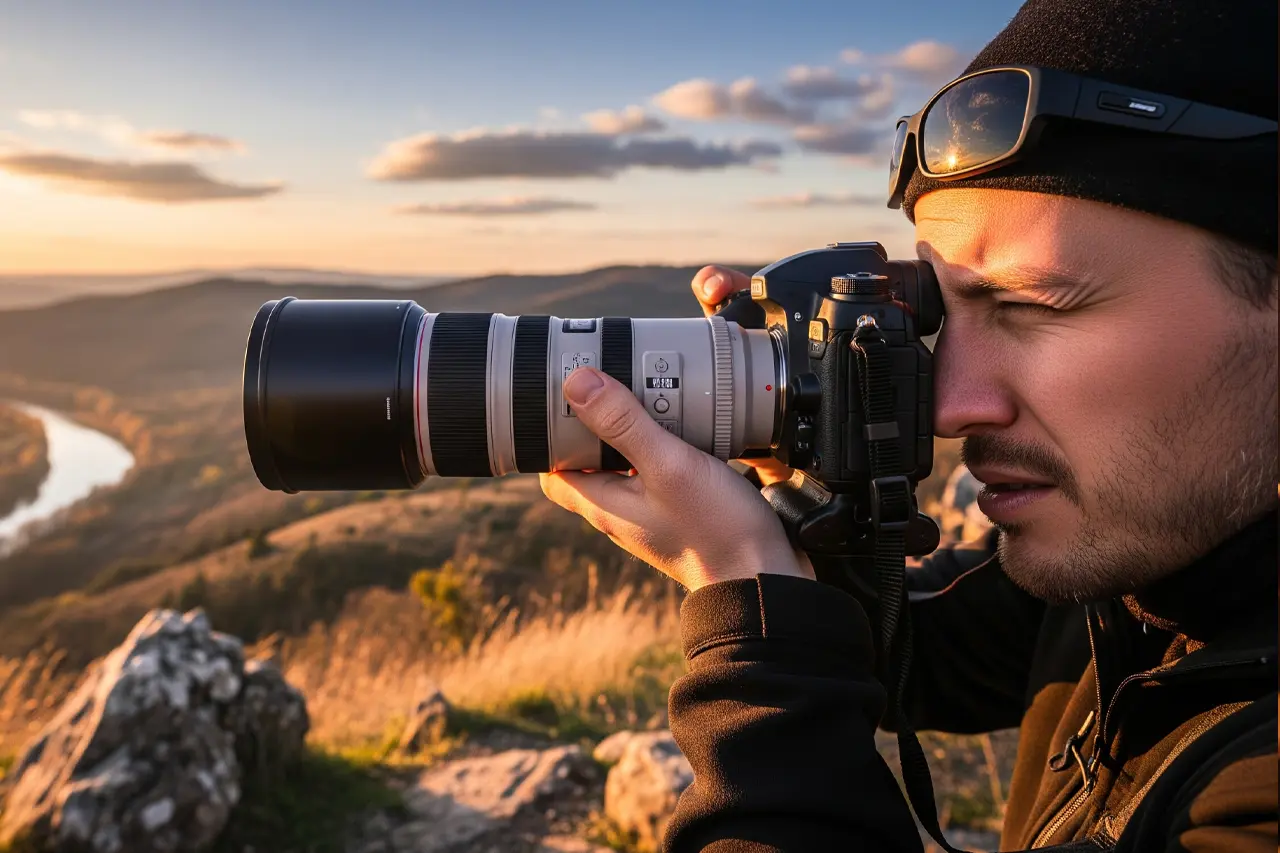
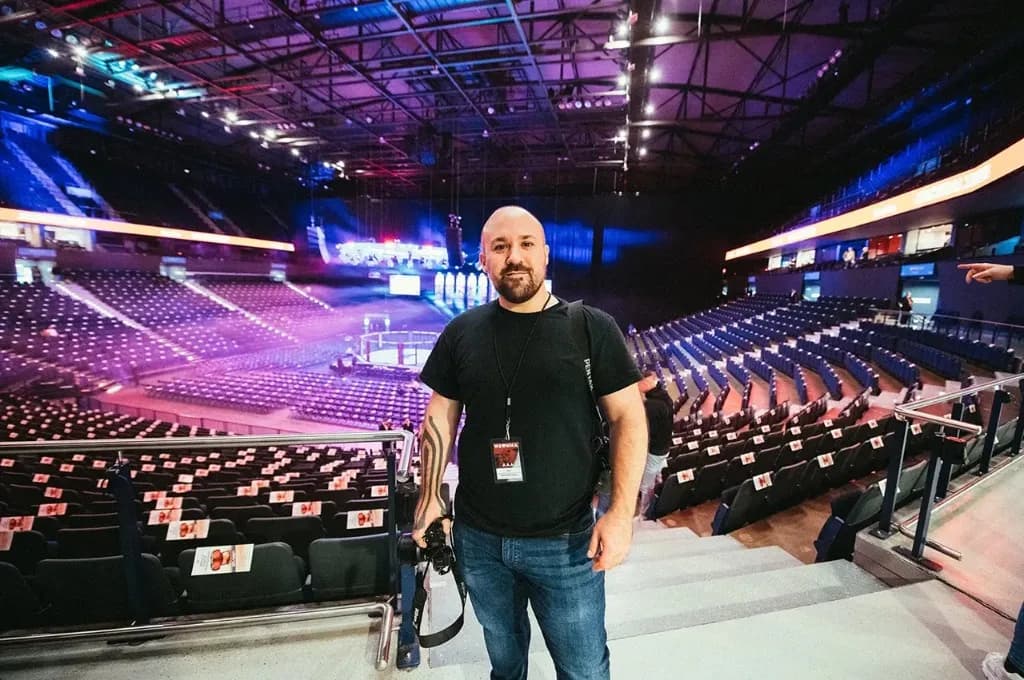
Learn photography the right way — photographer with camera, practising systematically
Martin Kleinheinz
Author
Martin Kleinheinz
Photographer · Hannover
Updated
July 3, 2026

You've been photographing for a while — maybe with a kit lens, maybe with your smartphone — and you feel: it can get better. You don't want more images, you want deliberately better ones. Not to go pro. But to learn properly: structured, traceable, with the feeling that every month brings something.

This guide is exactly for that. It's not a replacement for the in-depth articles on this blog — it connects them into a learning system. If you're at the very beginning and need orientation first, start with Photography Tips for Beginners. If you want technique details on aperture and ISO: Exposure Triangle. This article is the overarching route — your roadmap from today to twelve months out.

I write from 15 years of practice and 400+ workshops. What you read here isn't theory from textbooks, but the order in which people actually get better — and where they typically get stuck.
00
Foundation

What learning photography the right way means — and what it doesn't

"Right" sounds like a single truth. There isn't one. There is deliberate photography instead of chance. Understanding why an image works — and being able to repeat what you did. That's the core.

Learning properly does not mean: memorising every term, buying the most expensive gear, posting daily, comparing yourself to pros on Instagram. It means: a system that takes you step by step from "shoot and hope" to "see, decide, execute".

Amateur ≠ bad
Amateur photographers can make excellent images. "Amateur" describes status, not level.
Pace is individual
The 12-month roadmap is a framework — not a stress test. Six months for Phase 2? Totally fine.
Depth before breadth
Learning one genre well beats five superficially. Breadth comes later.
Practice beats consumption
Watching ten videos < one hour of deliberate shooting and review.
01
System

The four learning pillars — everything builds on them

Every advanced photographer I know has internalised these four areas at some point — often unconsciously. If you want to learn photography properly, work on all four. Not in parallel until overwhelmed, but over months.

PillarWhat you learnHow it feelsDeep dive
1 · SeeingRecognise subject, light, momentYou walk slower, notice moreTake Better Photos
2 · TechniqueAperture, shutter, ISO, modes, focusYou understand why an image worksExposure Triangle
3 · PracticeTrain, fail, repeatMore control, less chancePhoto Ideas
4 · ReflectionSelect, compare, adjustYou become your own teacherThis guide, phase by phase

Four pillars — the framework of the entire learning path

The most common mistake: starting at Pillar 2 (studying the camera menu) before Pillar 1 (looking) is in place. Result: correctly exposed, boring images. Respect the order — the phases below follow exactly this logic.

02
Phase 1 · Weeks 1–4

Getting started — camera in hand, eyes open

Goal: Make photographing a habit — without technique stress. By the end of Phase 1 you should regularly make images and recognise first preferences (light? people? details?).

Weekly plan

WeekFocusExerciseSuccess when …
1Just shoot3 images daily — anythingYou have 21 images without giving up
2Observe lightOnly shoot mornings or eveningsYou see the difference from midday light
3One subjectOne week only: shadows / trees / doors10 variations of one theme
4SelectionMark best 3 of the week — why?You can say in one sentence why they work

Phase 1 — four weeks to get started

Camera: Auto or program mode is enough. No manual mode needed. Optional reading: Camera for Beginners if you're still buying.

03
Phase 2 · Weeks 5–8

Understanding exposure — the camera becomes a tool

Goal: You understand how aperture, shutter speed and ISO affect your image — and consciously choose A mode or first M mode attempts.

Weeks 5–6
Read Exposure Triangle. Then: 50 images in A mode, switch aperture f/5.6 → f/2.8 — only observe background blur.
Week 7
Try Exposure Correction: +1 EV in backlight, −0.3 in snow.
Week 8
10 images in M mode — change only one variable (e.g. only aperture). Mistakes are mandatory.

In parallel: read RAW vs. JPEG and enable RAW+JPEG if your card can handle it. You don't need to master RAW yet — but you lay the foundation for Phase 5.

04
Phase 3 · Weeks 9–12

Composition & light — designing deliberately

Goal: Your images look planned, not random. You use composition rules consciously — and break them when it fits.

WeekTopicExerciseArticle
9Rule of thirds20 images with subject on intersectionTake Better Photos
10PerspectiveEvery subject: high, low, close, widePhoto Ideas — perspective
11Golden ratio / spiral5 images with deliberate line or spiralGolden Ratio
12Light directionBacklight, sidelight, silhouette — 5× eachPortrait Photography Tips — light

Phase 3 — composition and light in four weeks

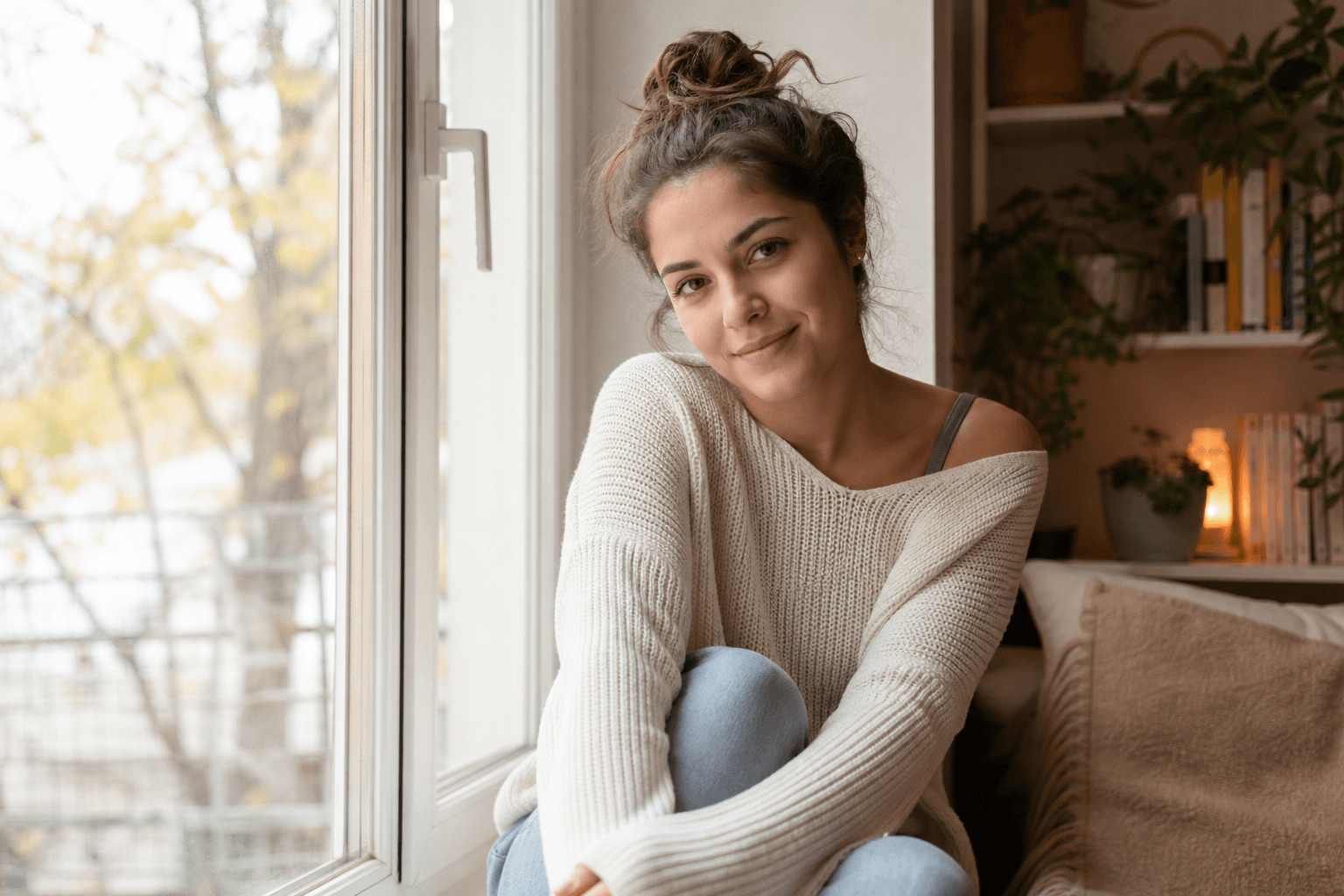
Window-light portrait — using composition and soft sidelight deliberately
From Phase 3 onwards, design visibly decides image quality — here: rule of thirds and window light

Project idea: "One subject, four weeks" — the same object or person every week in new light and composition. That teaches more than 100 random subjects.

05
Phase 4 · Months 4–6

Choose a genre — depth over breadth

Goal: One genre as main focus — 70% of your practice time. You get noticeably better in it; the rest stays playground.

GenreMonth 4Month 5Month 6Main resource
PortraitWindow-light headshotsFirst mini shootUse 50mm f/1.8Photographing Portraits
LandscapeGolden hourAdd foregroundTripod basicsBeautiful Destinations
StreetFix one focal lengthShoot discreetly5 streets, 5 imagesPhotoshoot Ideas
Event/familyFreeze motionFlash basicsFirst birthday shootEvent Photography Tips
Macro/detailGet closeTry focus stackingOne object, 20 imagesPhoto Ideas

Genre paths — three months of depth per direction

Lens in Phase 4: If not done yet — one upgrade based on real need. Portrait → 50mm f/1.8. Landscape → use wide angle or kit zoom. Details: Which Lens for What.

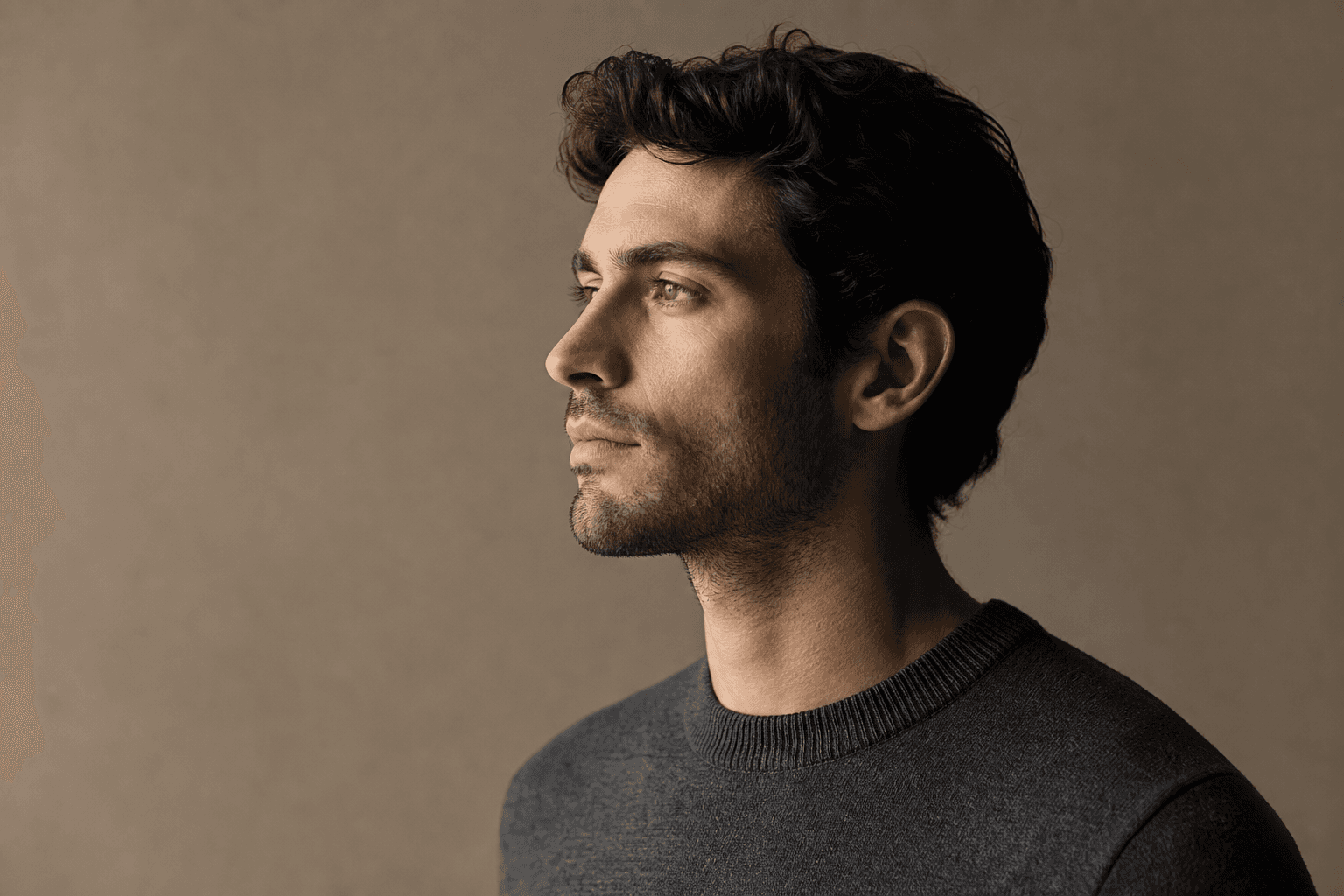
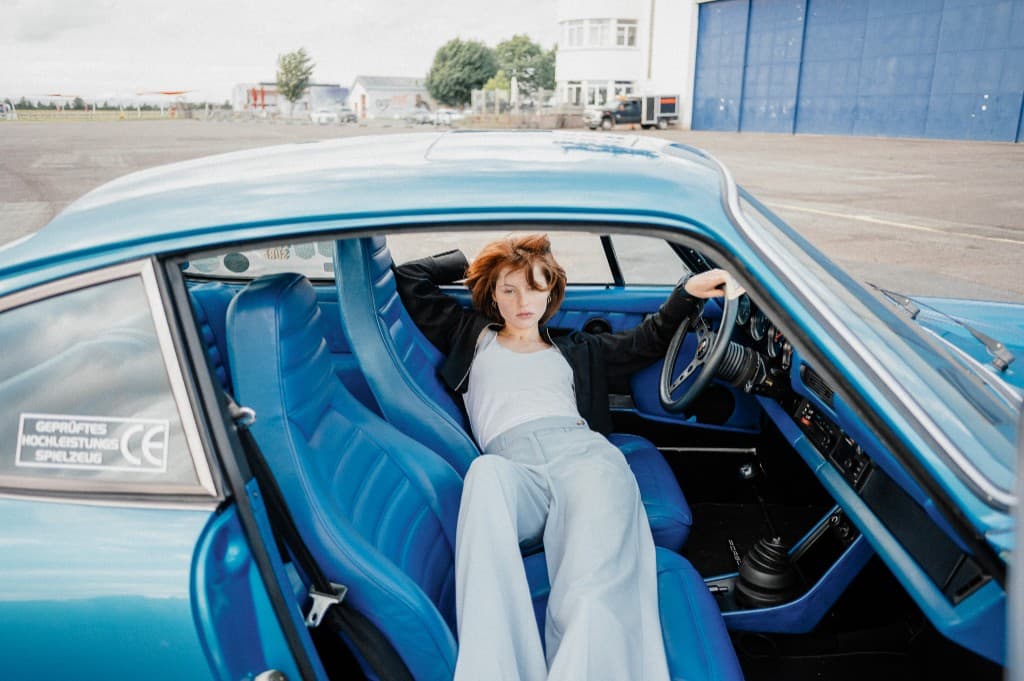
Editorial portrait in soft light — example for portrait genre depth
Phase 4: one genre, many repetitions — that's where real depth emerges
06
Phase 5 · Months 7–9

Post-processing — the second third of the game

Goal: You develop RAWs (or JPEGs) consistently — not over-filtered, but deliberate: brightness, contrast, colour, cropping. One image edited end-to-end from capture to export.

Month 7
Choose software: Lightroom (Classic or Mobile), Capture One or free alternative. Start: Photo Editing for Beginners.
Month 8
10 images with the same basic develop — white balance, exposure, contrast. Before/after comparison.
Month 9
Local adjustments: mask for sky, slightly brighten face. Optional: Create Your Own Lightroom Presets.

Editing is not cheating. It's the second step of every professional workflow. Those who only shoot and never develop waste 30–50% of the potential — especially with RAW.

07
Phase 6 · Months 10–12

Style & consistency — your signature

Goal: Your images are recognisable in colour, light and subject choice — not copied from Instagram, but grown from repeated decisions.

Personal project
12-week series: one theme (e.g. "windows in my city", "portraits of neighbours"). One strong image weekly.
Style analysis
Collect 10 of your own favourite images. What do they share? Light? Colours? Crop? That's your style beginning.
Feedback
Show 5 images to someone honest — not just "nice!". Or photo community, workshop, course.
Curate portfolio
20 best images of the year — not 200. Less, stronger.

Style doesn't come from filters. It comes when you make the same decisions a hundred times — and start to understand them.

Martin Kleinheinz
08
Methods

Learning methods that actually work

Theory without method evaporates. These five approaches I see in workshops always with those who progress fastest:

1. Deliberate practice
Don't photograph everything — practise one thing per session. Only depth of field. Only backlight. Only one focal length.
2. Before / after
Save your worst and best image of the week. Write one sentence why for each. That's reflection (Pillar 4).
3. Recreate
Recreate an image you admire — not for Instagram, but to understand the setup. Light, angle, focal length.
4. Project over single image
Series force consistency. 10 images on the same theme > 100 random subjects.
5. Follow a curriculum
This guide — or a workshop — gives structure. Structure beats motivation when motivation is low.
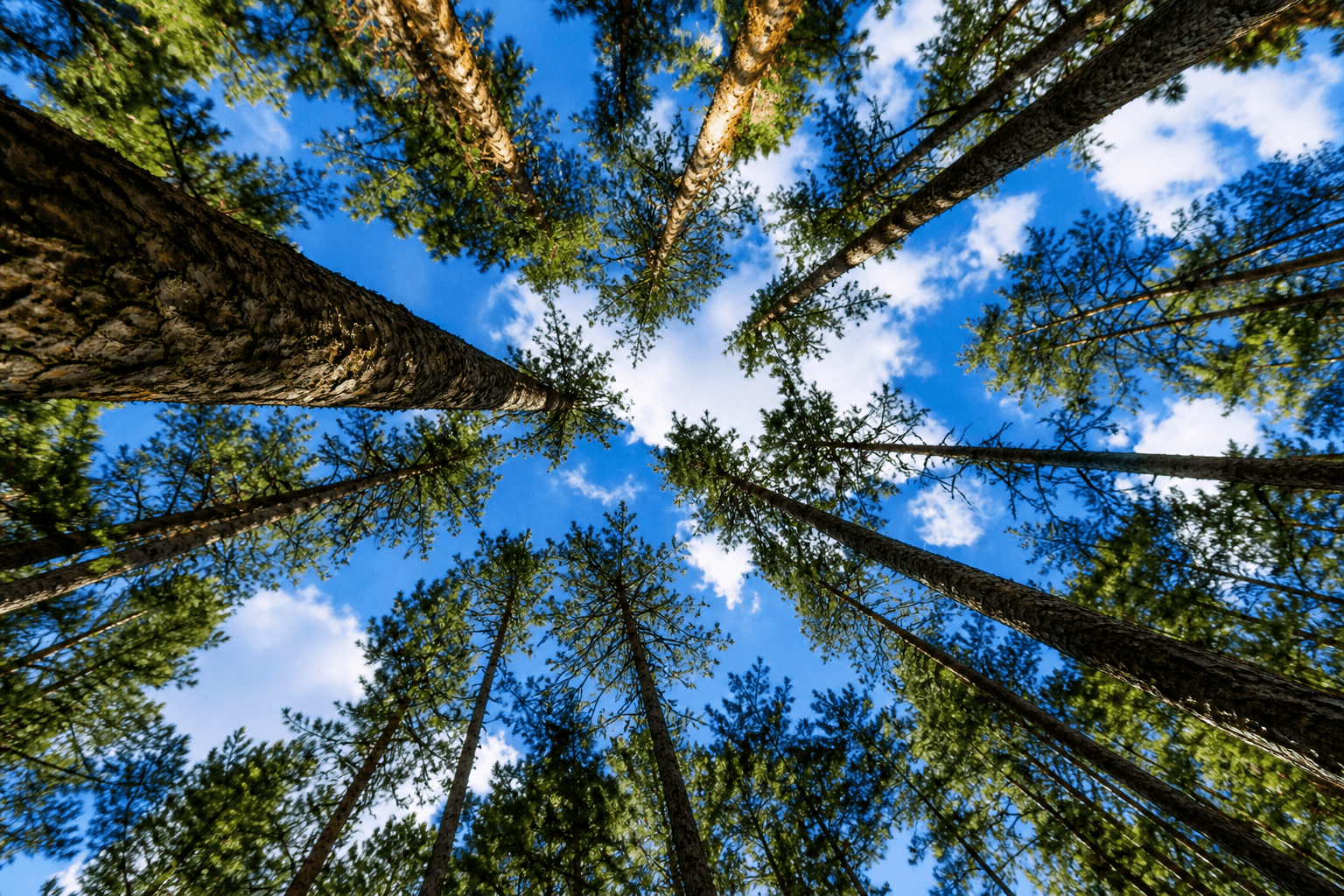
Worm's-eye view in the forest — deliberately choosing perspective as exercise
Project-based learning: one perspective, one subject, many variations
09
Plateaus

Overcoming plateaus — when nothing moves forward

Every amateur photographer knows it: weeks or months without a noticeable jump. Normal. Not a sign to quit. Typical plateaus and ways out:

SymptomLikely causeWay out
Images "okay" but boringOnly technique, no seeingRepeat Phase 3, start a project
Technique understood, result flatIgnoring lightOnly golden hour + window light for one week
New gear, same imagesBuying replaces practice3 months buy nothing new — only practise
No motivationBurnout, too much pressureBeginner tips again: remove pressure
Everything looks the sameNo genre focusPhase 4: one genre, 8 weeks
Editing frustratesToo many toolsOnly 5 sliders one week: exposure, contrast, brightness, saturation, crop

Typical learning plateaus and concrete remedies

10
Equipment

Equipment along the learning path — when what makes sense

Equipment follows learning — not the other way around. This order has worked for hundreds of students:

PhaseEquipment focusNot now
1–2What you have — kit or smartphoneFull frame, expensive lenses
3Maybe tripod (landscape) or reflector (portrait)Flash system, filter collection
4One targeted lens upgradeSecond body, gimbal
5Software, maybe calibration deviceNew camera for "better colours"
6Only what your project demandsGAS* without subject

Equipment timing — *GAS = Gear Acquisition Syndrome

Detailed buying advice: Camera for Beginners, Compact Mirrorless Camera, Photography Equipment, Crop vs. Full Frame.

11
Progress

Recognising progress — without Instagram comparison

"Getting better" is hard to measure if you only scroll other people's feeds. Three honest methods:

Folder comparison
Open images from 6 months ago — don't delete first. Almost everyone is surprised how far they've come.
Same subject
The same subject today and 3 months ago — direct comparison.
Check off milestones
The milestones in each phase of this guide — not likes.
12
Roadmap

The 12-month roadmap — your learning plan to check off

This is the roadmap you should take away at the end. Save it, print it, check it off. Each row points to a phase above — and to in-depth articles when you need more.

MonthPhaseMain taskDeep diveMilestone ☐
11Habit: shoot 3×/weekBeginner tips21+ deliberate images
21One subject theme per weekPhoto IdeasPick best 3 each week
32Read exposure triangle + A modeExposure TriangleChoose aperture consciously
42First M mode attempts + exposure correctionExposure Correction10 manual images
53Composition: thirds, perspectiveTake Better PhotosCompose before shooting
63Light direction + golden ratioGolden RatioProject "one subject, 4 weeks"
74Choose genre — month 1 of 3Portraits etc.5 strong genre images
84Deepen genre + lens upgrade?Lens guideFirst mini shoot
94Genre portfolio 15–20 imagesGenre articlePortfolio curated
105Build editing workflowPhoto editing5-step routine
115Consistent develop, presets?Lightroom presetsBefore/after series
12612-week project + year portfolioThis guide Phase 620 best images of the year

12-month roadmap — learn photography properly, month by month

Weekly routine (recommended from month 3)

WhenDurationWhat
1× per week60–90 minDeliberate shooting — one practice focus
1× per week30 minSelect images, 1 sentence reflection per favourite
1× per month2 hrsRead article + try technique
1× per quarterHalf dayMini shoot or trip just for photography

Weekly routine for amateur photographers — realistic alongside job & life

Complete resource map by topic

TopicArticles on this blog
Entry & mindsetPhotography Tips for Beginners
Image design basicsTake Better Photos
Exposure & techniqueExposure Triangle · Exposure Correction
CompositionGolden Ratio
PortraitPhotographing Portraits · Portrait Photography Tips
EquipmentCamera for Beginners · Lens Guide · Photography Equipment
ExercisesPhoto Ideas · Photoshoot Ideas
EditingPhoto Editing for Beginners · What is Lightroom
Event & businessEvent Photography · Pricing Guide
LegalGDPR · Model Release

All deep dives in one place — your learning library

In twelve months you won't know everything. But you'll be **systematically** better — and know exactly what comes next.

Martin Kleinheinz
13
FAQ

Frequently asked questions about learning photography properly

How long does it take to learn photography properly?
Fundamentals in 3–6 months with regular practice. Solid amateur level in one year with this roadmap. Mastery — depending on genre — takes years. That's normal and okay.
Do I need a photo course or is this guide enough?
This guide + the linked articles replace many foundation courses. A good workshop can give motivation and feedback — but it's not mandatory. Practice beats consumption.
In what order should I read the articles?
Follow the 12-month roadmap. Not everything at once. One main theme per month — the roadmap tells you which article fits.
Smartphone or camera for learning?
Both work for Phases 1–3. From Phase 4 (genre depth) a camera with manual modes and RAW pays off. Camera for Beginners if you're buying.
What's the difference from "Take Better Photos"?
"Take Better Photos" explains techniques (composition, light). This guide is the learning plan — when you learn what, in which order, with which exercises.
I didn't finish the roadmap in 12 months — did I fail?
No. The plan is a framework. Some phases take longer. What matters is that you keep going — not the speed.
Transparency notice: This article contains affiliate links. If you buy through them I earn a small commission at no extra cost to you. Editorial content is unaffected.
Newsletter

Stay in the loop.

Camera and photography news, honest gear tests and new articles — in your inbox. Infrequent but relevant. No spam, unsubscribe anytime.

Keep reading

From the journal.

Fotograf, Martin Fernando Mera Kleinheinz · Franz-Bork-Straße 21, 30163 Hannover · 0179 4085297